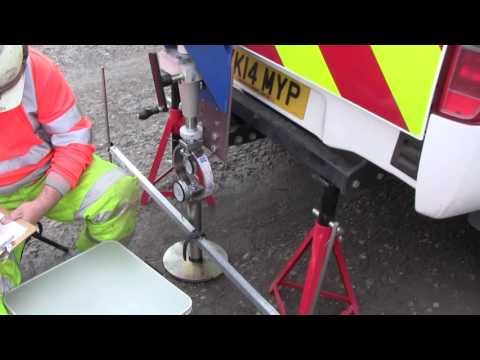
 Watch the film
CBR & plate bearing testing
Manchester
Plate bearing, CBR and LWD testing in Manchester, plus concrete cube, soil and aggregate testing at our laboratory. Call 0161 871 7372 to check dates.
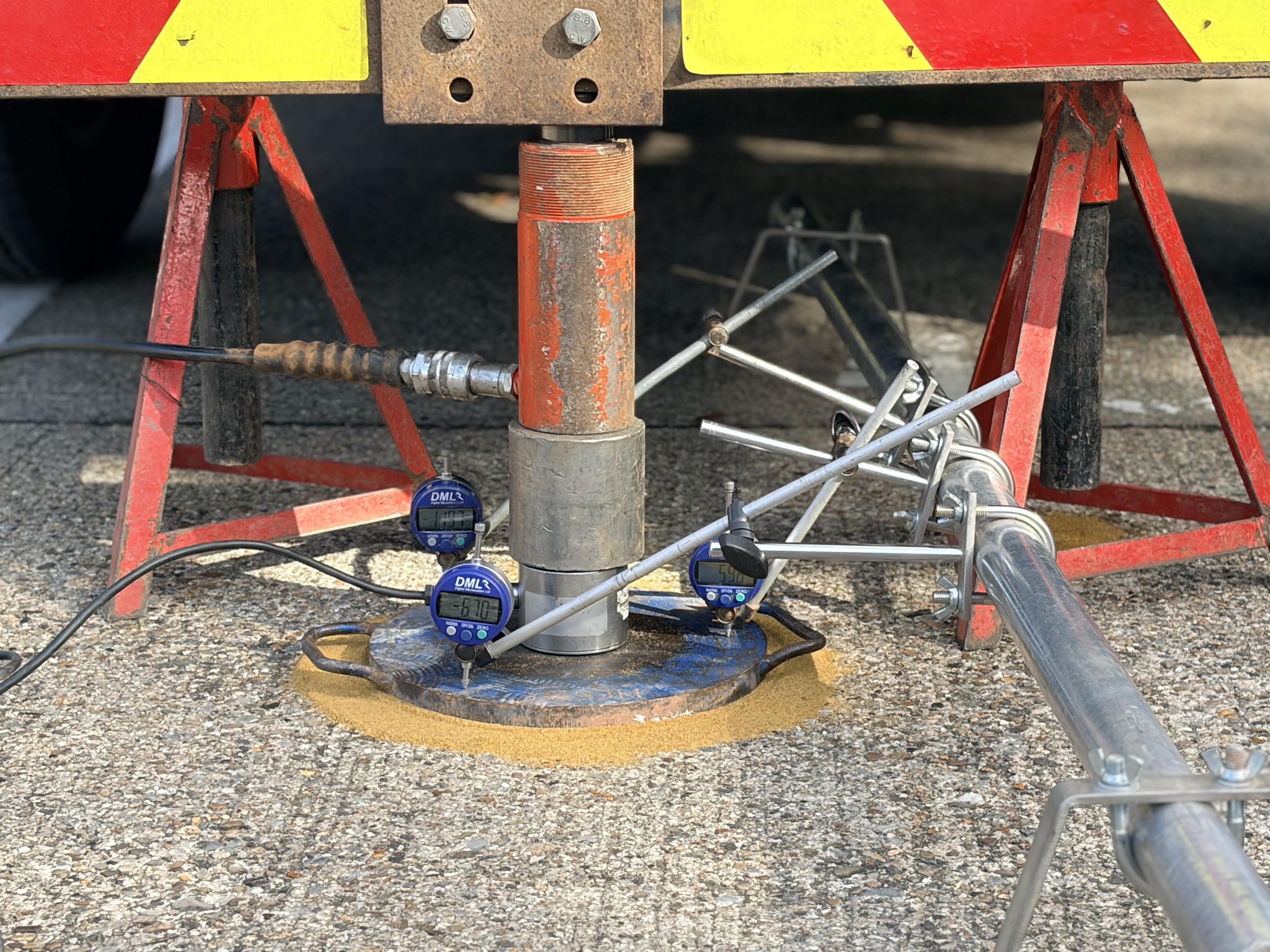
On your site. On your side.
Same-day and next-day testing dates are often available. Call to check dates for your location and test requirements.
Quality, safety & professional standards
Expertise you can check.
UKAS accreditation applies to the tests listed in our accredited schedule.
View our credentials ↗

Experienced people
Technical knowledge, with practical advice.
National coverage
Testing support wherever your project takes you.
A responsive service
Clear arrangements, from enquiry to reporting.
Your regional contact
Local project details.
National testing expertise.
Same-day and next-day testing dates are available. Call your regional number to check dates for your location and test requirements. Site visits are coordinated centrally by Hixtra.
Areas served
Salford, Trafford, Stockport, Bolton, Warrington, Liverpool, Sheffield and Leeds
Send your site postcode so we can confirm travel, access and availability. Coverage does not imply a permanent office in each town.
Local projects
The work we are called out to do here.
Around Manchester the calls are mostly for piling platform testing on city centre plots and on the logistics sheds along the M6, M62 and M60 corridors. Salford, Trafford Park and the Liverpool docklands are largely made ground, so plate bearing tests on former industrial land come up constantly, usually to prove a working platform or a crane base before anything heavy arrives. Tower crane hardstandings in the city centre are a steady part of the work. Further out we test CBR on estate roads and distribution yards, and we test platforms built over the mosses and the Mersey and Irwell alluvium, where the fill sits on very soft natural ground and the platform has to be proved in its own right.
We attend from Milton Keynes. That is a long run to the North West, so it pays to group your positions into one visit and to have the platform trimmed and ready when we arrive. Same-day and next-day dates are often available, subject to the schedule, and we normally report the same day. Fresh concrete testing, meaning slump, flow and cube making, is only offered within about an hour of the laboratory, so it is not available in the North West. Hardened cube testing and coring are available here, as they are across England and Wales. Ring 0161 871 7372 with a site postcode and we will quote.
Choose the right method
Ground testing that matches your specification.
Tell us the site conditions and what your specification requires. We can help you choose between direct CBR, plate bearing and other suitable ground-testing methods.
Plate bearing & derived CBR
Assess ground performance under a loaded plate for pavements, earthworks and working platforms. Where a derived CBR is required, the method and interpretation must be agreed against your project specification.
Plate bearing testing →In-situ CBR, LWD & DCP
Different methods answer different questions. Tell us the specified test, the material and the stage of construction. We can help arrange the appropriate testing package without treating these results as interchangeable.
Explore ground testing →Ground conditions
What the ground here tends to do.
In Manchester itself the natural ground is glacial till and glacial sands over Sherwood Sandstone, with Coal Measures coming in to the east around Bradford, Clayton and Openshaw, where the city once had its own collieries. In the centre very little of that is what you test on. The Irwell, the Irk and the Medlock run through in deep, partly culverted valleys, and around them, through Ancoats, New Islington, Castlefield and down to Salford Quays and Trafford Park, the formation is made ground: mill and warehouse demolition rubble, backfilled basements, canal arms and dock fill. One plate lands on an old cellar wall and the next on loose backfill, and both results are real.
Most of the wider region sits on glacial till, the local boulder clay, over Coal Measures and Sherwood Sandstone, with glaciolacustrine silts and clays in the lowlands. Till is stiff at its natural moisture content and can return a respectable CBR, but once wetted and trafficked the surface remoulds and values fall sharply. This is one of the wettest parts of England, and moisture content at formation is the single biggest control on what a CBR test returns here. Timing the test against the weather and plant trafficking matters more here than in the south east; the winter working window is shorter for the same reason.
West of Manchester on Chat Moss and Carrington Moss, and along the Mersey and Irwell valleys, the natural ground is peat and alluvium: deep, compressible and very poor for bearing. A platform built over it depends entirely on the fill, so we test the platform rather than the subgrade and look for scatter between positions that points to thin or soft spots. Plate bearing gives the modulus a platform designer wants. A CBR on peat is rarely worth doing.
Manchester, Salford, Trafford Park, the Liverpool docks and the Potteries are largely made ground from the industrial and dock legacy; on the coalfields it includes colliery spoil and old workings. It is unpredictable, so we test more positions, not fewer. Towards the Pennines, and around Sheffield and Leeds, Millstone Grit and Carboniferous sandstones give firmer ground and steadier results. Specifications here normally ask for plate bearing to a stated modulus on working platforms and a minimum CBR on road formations, often with a moisture content check alongside.
Regional coverage, one schedule
Local knowledge. National reach.
Every visit is planned and reported from the Hixtra laboratory in Milton Keynes, so you get the same people, the same methods and the same reporting wherever the site is.
Check availability for your site ↗Before your visit
A little preparation.
A smoother site visit.
Send the specification
Include required methods, test locations, material details and any acceptance criteria set by your engineer.
Confirm access and reaction load
For plate bearing testing, discuss the required reaction load, safe working area and site access before booking.
Agree dates and reporting
We will confirm availability, scope and expected reporting arrangements for the work you need.
Hixtra in action
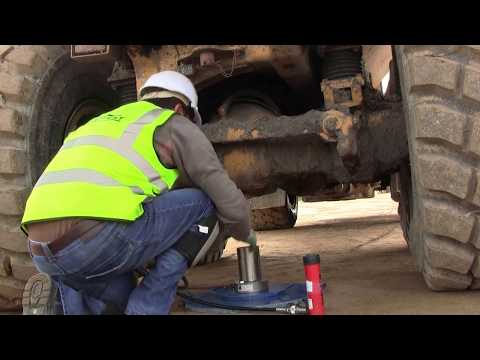
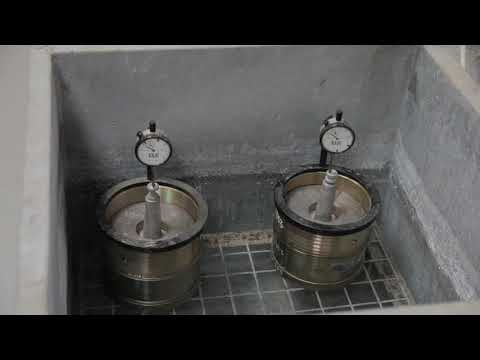
See the testing in practice.
Your questions
Your questions, answered.
Practical answers on ground conditions, choosing a test and arranging a visit in this region.
Ask us about your project →Do you cover Manchester and the surrounding towns?
Yes. We attend sites across the city centre, Ancoats, Salford, Salford Quays and Trafford Park, and around Greater Manchester in Stockport, Oldham, Rochdale, Bury, Bolton, Wigan and out to the airport. Beyond that the same schedule covers Warrington, Liverpool and the Merseyside docks, Chester, Preston, Stoke and the Potteries, and across the Pennines to Sheffield and Leeds, along with the M6, M60 and M62 corridors between them. The ground and the work are similar across all of it: till, made ground and mossland, with a lot of logistics and city centre piling. If your site sits further north into Cumbria, send the postcode and we will confirm. We attend anywhere in England and Wales; we do not attend Scotland or Northern Ireland.
Which tests can you carry out on a Manchester site?
In the city centre it is mostly plate bearing testing, on piling platforms, tower crane bases and hardstandings. On the logistics sites around the M60, M62 and M6 it is in-situ CBR testing on road and yard formations, LWD testing across capping and sub-base, and density and compaction testing on the earthworks, often with a moisture content check alongside. DCP profiling is the tool for platforms over the mosses and for made ground. We take soil and aggregate samples and cut concrete cores while we are on site. The laboratory in Milton Keynes runs soaked laboratory CBR, classification, compaction, chemical and aggregate tests, and concrete cube compressive strength testing on cubes cast on your site. Fresh concrete testing at the pour does not reach Manchester. The full range is on the testing services page.
How quickly can you attend a site in Manchester?
Same-day and next-day dates are often available, subject to the schedule. The North West is a long run from our laboratory in Milton Keynes, so a same-day visit depends on where the team already is; a next-day booking is the more realistic ask for Manchester or Liverpool. Give us the postcode, the number of positions and the test type and we will offer the earliest date we have. If the platform is still being trimmed, book for the day it will be ready, because a test on an unfinished platform wastes the visit. We normally issue results the same day, but that is our usual practice rather than a guarantee.
What is the ground like in Manchester and what should I expect from it?
Three things dominate. Most of the region is glacial till, the boulder clay, over Coal Measures and Sherwood Sandstone, with glaciolacustrine silts and clays in the low ground. Till is stiff when dry and weak when wet, so results follow the weather. Second, the mosses west of Manchester and the Mersey and Irwell valleys are peat and alluvium: deep, compressible and very poor for bearing. Third, Manchester, Salford, Trafford Park, the Liverpool docks and the Potteries are largely made ground from the industrial and dock legacy, and the coalfields add colliery spoil and old workings. Expect variable results, expect to test more positions than you would on a greenfield site in the south, and expect the firmest ground on the Millstone Grit towards the Pennines.
Why do CBR results scatter so much around Manchester, and what does the rain do to them?
Moisture content at formation is the single biggest control on a CBR result on till, and this is one of the wettest parts of England. A boulder clay formation that reads well on a dry Tuesday can halve after a wet weekend and a few passes of a dumper. Trafficking remoulds the wet surface, and the top layer softens well below the strength of the intact clay. The scatter you see is often the weather and the plant, not the ground. Time the test for when the formation is in the condition it will be built on, keep traffic off it beforehand, and ask for a moisture content sample at each position so the report can explain the values. Winter working windows are shorter here for the same reason.
Plate bearing, CBR, LWD or DCP: which should I ask for on boulder clay and made ground?
Follow your specification first. For a working platform or crane base the designer wants a modulus or a bearing pressure, so plate bearing is the right test, and on made ground it is the only one that loads a realistic area. For a road or yard formation on till, an in situ CBR is what the pavement design needs. LWD gives quick coverage across a large distribution yard once a plate or CBR has calibrated it, but on wet till it will read the surface softening rather than the layer. DCP finds the depth of soft material over the mosses or in variable fill, and checks a formation you cannot get a vehicle onto. The usual mix is a few plates or CBRs, then LWD or DCP to fill in.
Which standard is plate bearing testing usually carried out to?
Plate bearing tests are usually carried out to the plate loading method described in BS 1377-9, with the plate size, load increments and maximum applied pressure set by your specification. Tell us what the result has to demonstrate and we will confirm the method before booking.
Do you test piling platforms in the North West, including over the mosses?
Yes. Piling platform testing on city centre plots and logistics sheds is the most common call we get from this region. We test to the platform design, usually plate bearing at positions agreed with the piling contractor or the designer, and we can add DCP to check the platform thickness. Over Chat Moss, Carrington Moss and the Mersey and Irwell alluvium the platform is doing all the work, because the natural ground beneath it is deep, soft peat and alluvium. Here we look hard at the spread of results between positions. A single low plate on moss is a warning, not an outlier. Book the test once the platform is complete and before the rig arrives, not while it is still being placed.
Can you test a tower crane hardstanding in Manchester city centre?
Yes. Tower crane bases and mobile crane hardstandings in Manchester and Salford are usually on made ground: demolition fill, old foundations and, close to the rivers, alluvium under the fill. The crane supplier or the temporary works designer will give you a required bearing pressure and a plate size; send that with the booking so we test to it. City centre access is the practical issue. Tell us about the hoarding, the gate times, the distance from the vehicle to the position and whether a reaction load is available on site, because we need something to jack against. Where kentledge is needed we will say so in advance. Results are normally issued the same day so the lift plan can be signed off.
Can you do slump tests and make cubes on my Manchester site?
No. Fresh concrete testing, meaning slump, flow and cube making, is only available within about an hour’s drive of our laboratory in Milton Keynes. Manchester, Liverpool, Stoke, Sheffield and Leeds are all well outside that radius, so we cannot attend a pour in the North West to sample fresh concrete. If you need fresh testing here, your readymix supplier or a local sampling technician will need to make the cubes. What we can do is the hardened side: test cubes that someone else has made and sent to us, and core hardened concrete on site, both of which are available anywhere in England and Wales. Ask us if you are unsure which side of the line your job falls.
Do you test concrete cubes and take cores from Manchester sites?
Yes. Hardened concrete work is available across England and Wales, so it covers the whole North West. If you have cubes made on site by your supplier or your own technician, they can be delivered or couriered to the laboratory in Milton Keynes for compressive strength testing, and we will confirm curing and delivery arrangements when you book. For coring, we attend site and cut cores from slabs, walls, bases or crane pads where a cube result is missing, disputed or the specification calls for in situ strength. Cores are tested at the laboratory and reported with their density. Tell us the element, the reinforcement layout if you have it, and what question the result needs to answer.
Is Hixtra UKAS accredited for the tests I need?
Hixtra holds UKAS accreditation to ISO/IEC 17025 under schedule number 8996. That accreditation is method by method, not company wide: it applies only to the tests listed on our current schedule. We hold it for most of the soil and aggregate tests we carry out, and we are still in the process of obtaining it for some concrete tests. So the answer depends on the test you need, and the right thing is to check rather than assume. Tell us which tests your specification calls for and we will confirm which are accredited and which are not, before you book. If your engineer or client needs the UKAS symbol on the report, say so at the enquiry stage.
What do you need from me before the visit?
The site postcode and a plan or what3words reference for the positions. The test type and the specification clause or the design value you need to prove: a CBR percentage, a bearing pressure, a plate size and modulus. The number of positions and whether they are on a platform, a formation or a crane base. Access details: gate times, induction, whether a vehicle can reach the positions, and what reaction load is available for plate tests. On North West sites also tell us when the formation was trimmed and what the weather has done since; that helps us advise whether to test now or wait. Finally, who the report goes to and whether the piling contractor or crane supplier needs a copy.
How are results reported?
We normally issue results the same day, as a PDF report emailed to the people you name, with the raw readings, the calculated values, a position plan and the test conditions recorded. That is our usual practice, not a guaranteed service level. On till and made ground the conditions matter, so the report notes the weather, the surface state and the moisture content where we have taken a sample, so a low value can be understood rather than argued over. Plate bearing reports give the load and settlement readings and the derived modulus for the plate size used. CBR reports give the value at each position. If a result fails the specification we will say so plainly and suggest what to do next.
Is there a Hixtra office in Manchester, and how do travel and scheduling work?
No. Hixtra has no office, depot, staff or vehicles in Manchester or anywhere else in the North West. Every team travels from the laboratory in Milton Keynes, and coverage means we will come to you, not that we are based locally. It is a long run, so we plan it. Group your positions into one visit where you can: plate tests on the platform, CBRs on the estate road and the crane base all on the same day is far better value than three trips. Book with a firm ready date so the visit is not wasted. Same-day and next-day dates are often available, subject to the schedule. Send a site postcode for a quote.