Understand your material
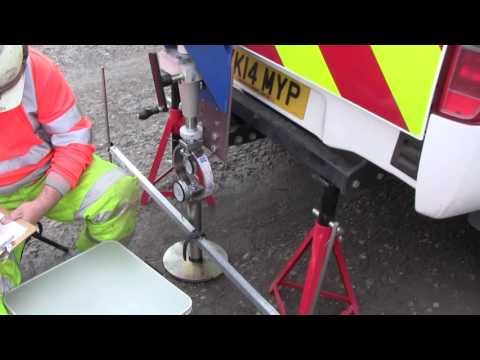
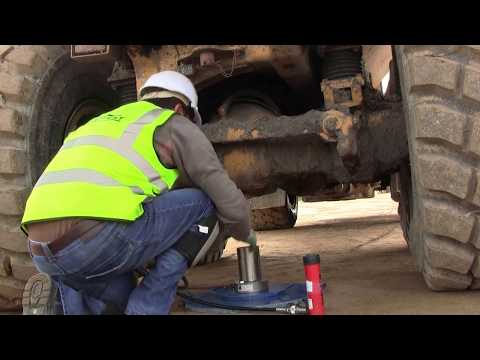
Measure California Bearing Ratio on site using the traditional plunger method.
Ground testing & bearing capacity
Measure California Bearing Ratio on site using the traditional plunger method.
Same-day & next-day testing dates available. Call to check availability for your location and test requirements.
Practical testing. Experienced people. A service built around your project.
Quality, safety & professional standards
UKAS accreditation applies to the tests listed in our accredited schedule.
View our credentials ↗



Experienced people
Technical knowledge, with practical advice.
National coverage
Testing support wherever your project takes you.
A responsive service
Clear arrangements, from enquiry to reporting.
The right testing for your project
Practical advice, experienced testing staff and clear reporting. Measure California Bearing Ratio on site using the traditional plunger method.
Speak to the team ↗Where this service helps
The right test helps answer a specific project question. We’ll agree the method and requirements with you before the work begins.
Measure California Bearing Ratio on site using the traditional plunger method.
Agree the test method, sample condition and acceptance criteria before the work begins.
Use clear test records to support your project’s material and engineering assessment.
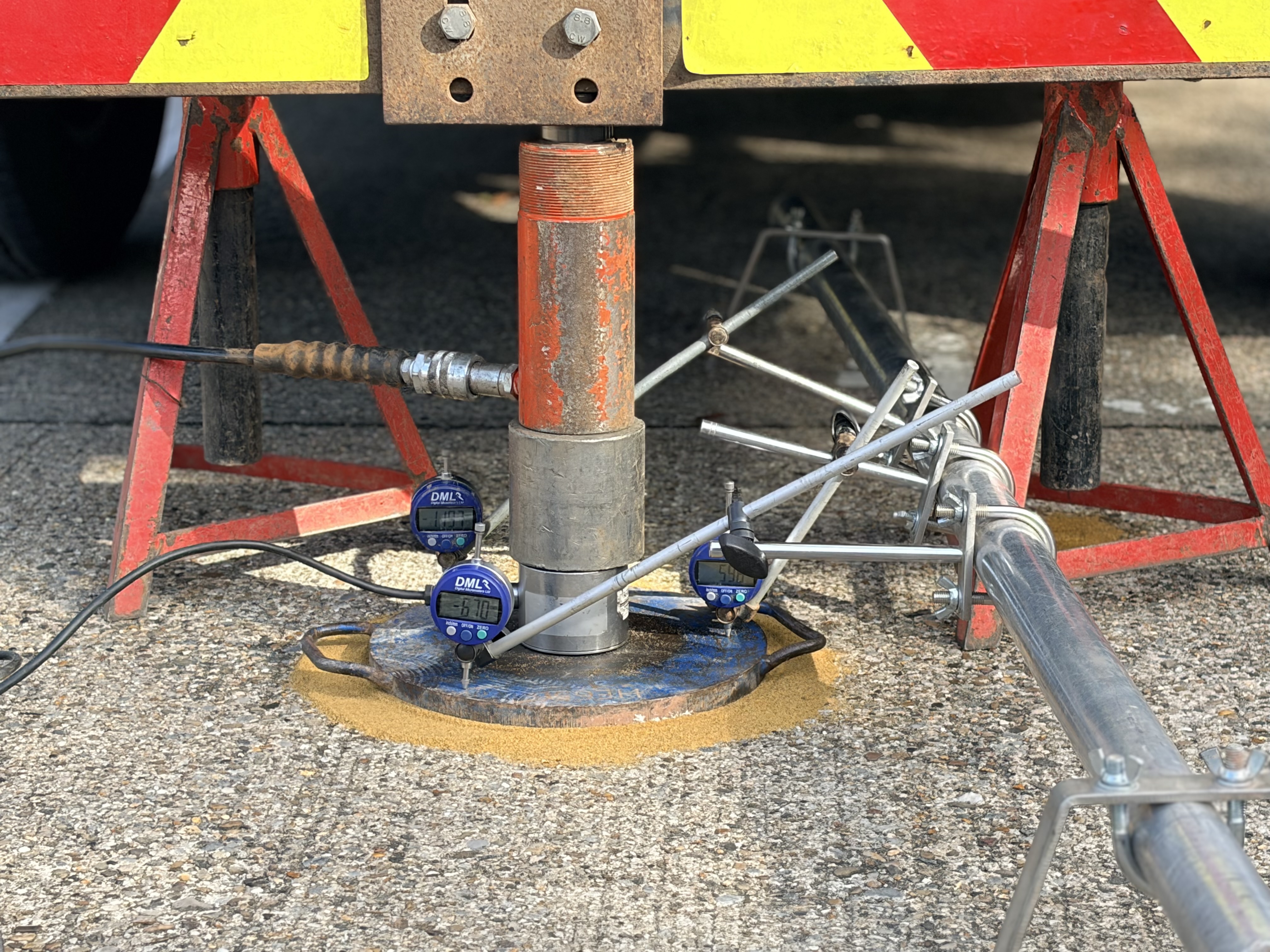
The vehicle-mounted equipment applies a controlled penetration to the material. Suitability depends on particle size and access to the test position. Hixtra can discuss whether direct in-situ CBR or another ground testing method meets your specification.

A closer look
The vehicle-mounted equipment applies a controlled penetration to the material. Suitability depends on particle size and access to the test position. Hixtra can discuss whether direct in-situ CBR or another ground testing method meets your specification.
UKAS accreditation applies to the particular methods listed in Hixtra’s current schedule, rather than every service. Ask us to confirm the accreditation status of the testing you require.
Hixtra in action
Working with Hixtra
From your first enquiry to your report, you’ll have practical advice on what to book, how to prepare and what happens next.
Share the site location, materials and testing specification. If you are unsure which test you need, we can help.
We agree the scope, access or sample requirements, availability and reporting arrangements before work starts.
Your results are reported for the agreed testing. Our team is on hand if you need to discuss the report.
Testing support across England & Wales
From individual site visits to ongoing testing programmes, we support construction, civil engineering and geotechnical projects across England and Wales.
Check availability for your site ↗Your questions
Practical answers on what this test is for, how to prepare and what you get back.
Ask us about your project →A cylindrical plunger is driven into the prepared surface at a controlled rate and the force needed to push it in is recorded against the depth of penetration. The load reached at set penetrations is compared with the load a standard reference material would need at the same penetration, and the ratio is reported as a percentage. The equipment is mounted on our vehicle, so the test is self contained.
The in-situ CBR test is normally carried out to the method given for it in BS 1377-9, with the plunger advanced at a controlled rate of about one millimetre per minute. Your specification may set the penetration the result is read at and the number of positions required. Where a specification only says CBR test, tell us what the value is being used for, because the in-situ, laboratory and derived methods are not interchangeable.
It gives an indication of subgrade strength that pavement and platform thicknesses are designed from, with a higher percentage meaning less construction is needed above it. Highway foundation design in CD 225 of the Design Manual for Roads and Bridges converts CBR into a subgrade surface modulus using a relationship intended for values of roughly 2 to 12 per cent. The report gives the value at each position with the load and penetration data behind it.
No. The apparatus is bolted to our vehicle and reacts against its weight, so you do not need to supply an excavator or any other dead weight. What we do need is enough room to bring the vehicle up to each test position and stand it safely on reasonably firm ground. Positions a vehicle cannot reach usually mean a different method, such as LWD or DCP testing.
Material containing particles larger than about 20 mm is generally unsuitable, because a single stone under the plunger controls the reading and the result stops representing the material as a whole. That makes the test best suited to clays, silts, sands and fine gravels. Where the subgrade contains coarser stone, a plate bearing test with an agreed derived CBR calculation is usually the more defensible route. Send a photograph of the exposed material if you are unsure.
It must be flat, clean and at the level you actually want tested, with loose or disturbed material trimmed off first. The plunger bears on a small area, so a rutted, stony or churned surface gives readings that reflect the disturbance rather than the subgrade. Keep the area clear of standing water and protected from site traffic, and tell us if the formation has been open through heavy rain since it was prepared.
Testing can be done on an exposed formation or in a small excavated hole, and what matters is that the plunger bears on the level your design refers to. The result represents the material immediately beneath the plunger, not the ground several metres down, so reaching the right layer is the whole point. If you need us to test below existing ground level, have the hole open and safe on the day and allow for backfilling it afterwards.
The number comes from your specification and the size and variability of the area rather than from a fixed rule. A common approach is to spread positions so that every material type and every part of the area is represented, with extra tests where the ground looks softer or the design is most sensitive. On a long linear route, positions are usually set at intervals along the alignment agreed with the designer.
A single position usually takes around 20 to 30 minutes once the vehicle is set up over it, so several positions can be covered in a visit. Moving between positions, opening trial holes and waiting for plant to clear the area normally takes longer than the testing itself. Access is the main variable, and a site where the vehicle can drive between positions is far quicker than one where it cannot.
Most often because the material was wetter when it was tested than the condition the design assumed. CBR is sensitive to moisture content and compaction, so a formation left open through rain, trafficked by plant or not yet compacted to the specified density will read low. The test reports the ground as it was on the day, so it is worth reading the result alongside the moisture condition and the compaction records.
Hixtra holds UKAS accreditation to ISO/IEC 17025 for the tests listed in its schedule of accreditation, number 8996. Accreditation is specific to the listed methods and scope rather than to everything we do, and a method can be listed for laboratory work but not for site work, or the other way round. Ask us to confirm the accreditation status of the in-situ CBR testing you need before you book.
Send the site postcode, how many test positions you need, the level being tested, your preferred dates and the specification or testing schedule if you have one. Tell us whether the positions are on open ground a vehicle can reach or need trial holes, because that affects the time on site and whether the method is suitable at all. Travel, position numbers and any out of hours working are the main cost drivers.
In our customers’ words
Independent feedback from the people we work with.
“Punctual, friendly and professional.”Read the full review ↗
“Perfect service and explained everything step by step.”Read the full review ↗
“Excellent service! Incredibly professional. Thankyou”Read the full review ↗
Customers come back to Hixtra
Read independent feedback from customers who have used our testing services.
4.8 / 5 on Trustpilot
“Punctual, friendly and professional.”
Lee Chippington · September 2026
Read this customer’s review ↗Same-day and next-day testing dates available. Tell us what you need and where, or call to check availability.