Home/Testing services/Understanding accredited testing

Hixtra · accreditation explained

Understanding accredited testing.

Accreditation tells you which tests a laboratory has been independently assessed to perform, and how. Here is how to read it, what to ask, and how Hixtra arranges testing against your specification.

Same-day & next-day testing dates available. Call to check availability for your location and test requirements.

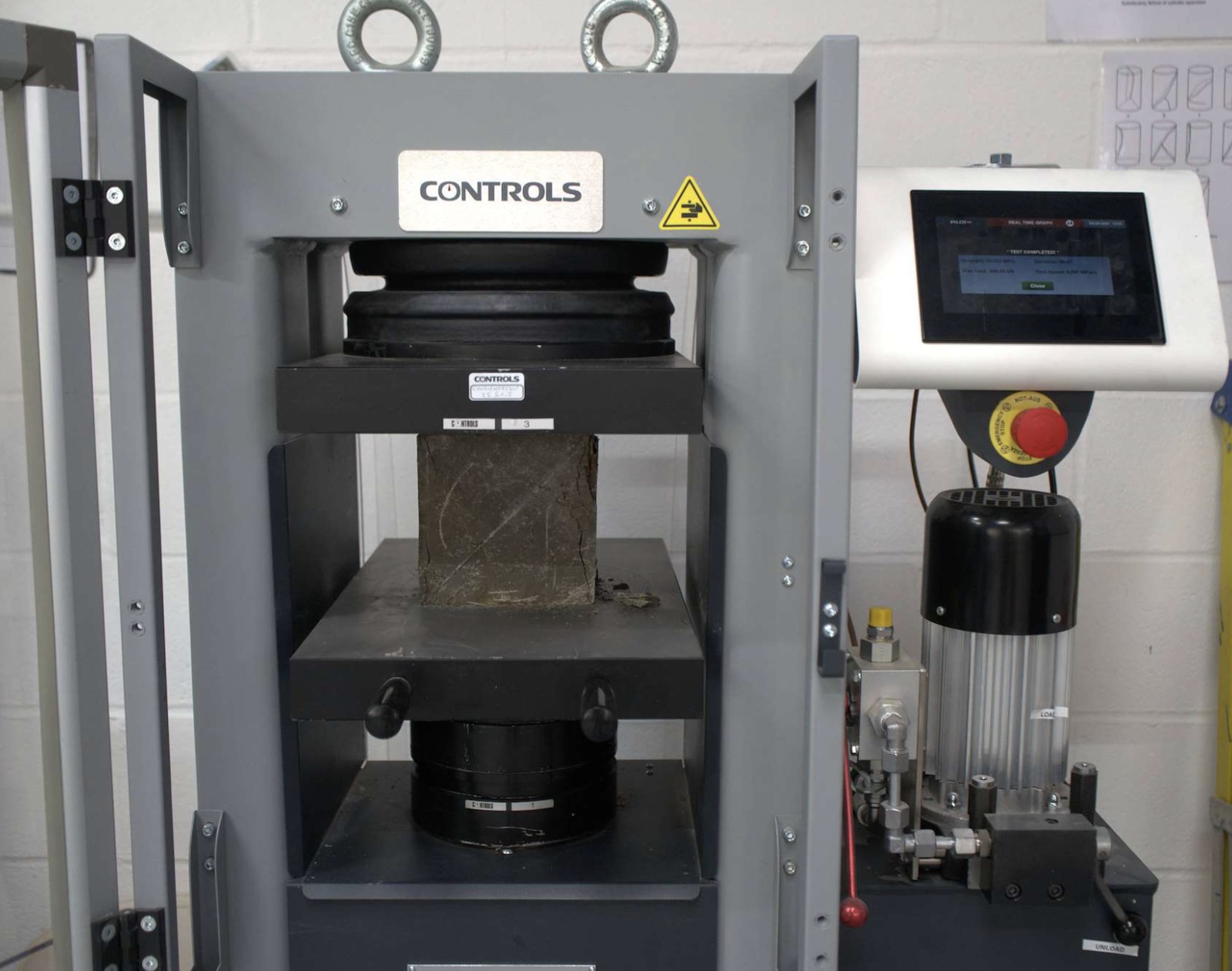
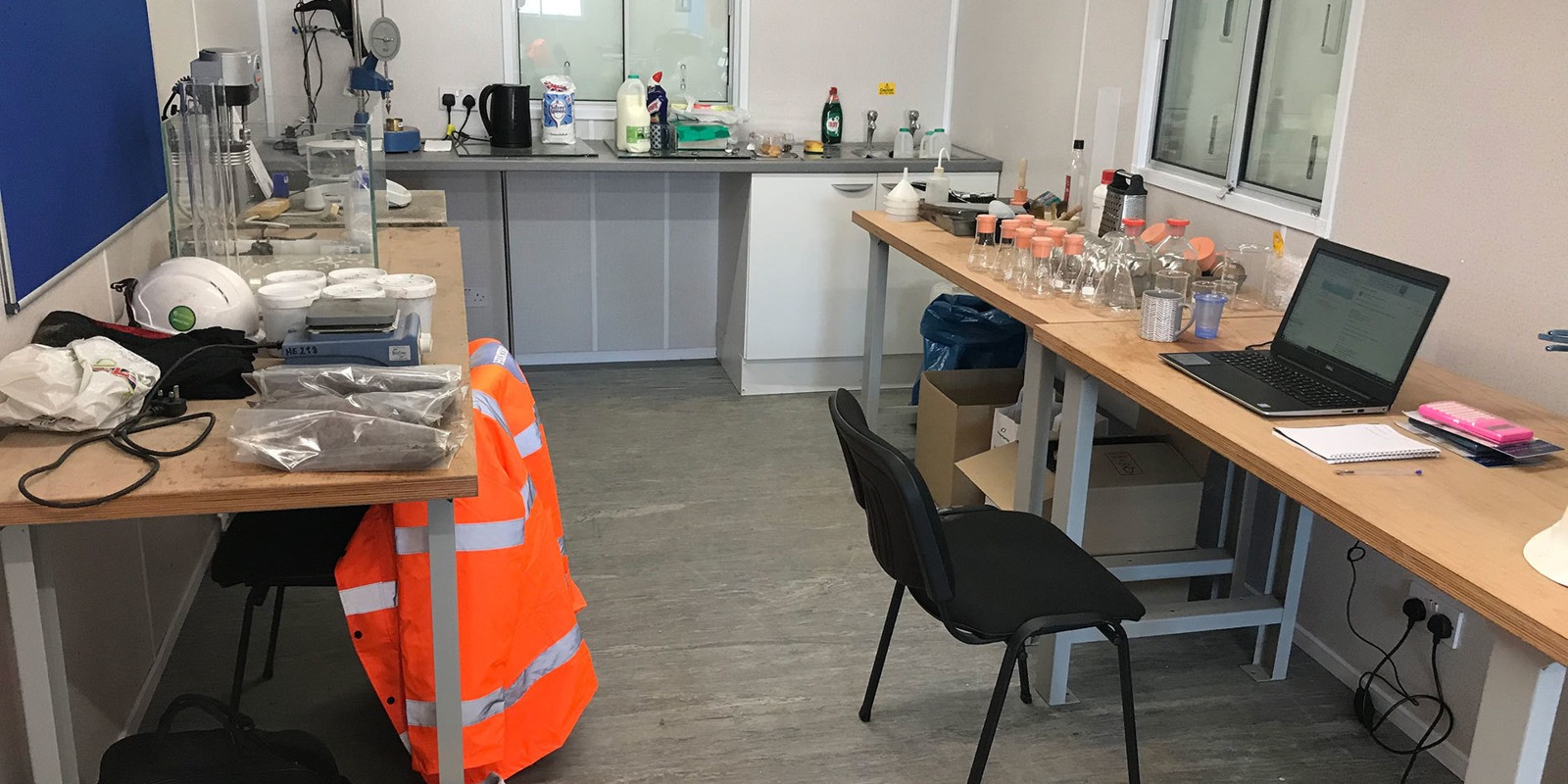
Hixtra site laboratory bench with materials testing equipment

Laboratory testing arranged against an agreed method and reporting scope.

Quality, safety & professional standards

Expertise you can check.

UKAS accreditation applies to the tests listed in our accredited schedule. Ask us for the current scope before you book.

View our credentials →
UKAS testing · 8996
CHAS accredited contractor
SSIP scheme assessed
AGS member

Defined scope

Accreditation covers listed methods, not a whole organisation.

Specification first

Send the method or spec and we confirm what applies.

Clear reporting

You know before work starts what the report will say and who signs it.

How accreditation works

Accreditation has a defined scope.

UKAS accreditation against ISO/IEC 17025 is granted for specific activities listed in a laboratory's schedule of accreditation. It is a statement about those activities, not about every service the organisation offers.

01 / SCHEDULE

Read the schedule, not the logo

Every UKAS-accredited laboratory has a published schedule listing the exact test methods, materials and locations (permanent laboratory, site laboratory or on-site) it is accredited for. The logo on a website or report only means something in the context of that list.
02 / METHOD

Match the method to your specification

Project specifications usually name a standard, for example a BS 1377 or BS EN test method. The accredited scope is written against those same methods, so the check is simple: is the method your specification names on the schedule, for the material and location you need?

03 / LOCATION

Site and laboratory are assessed separately

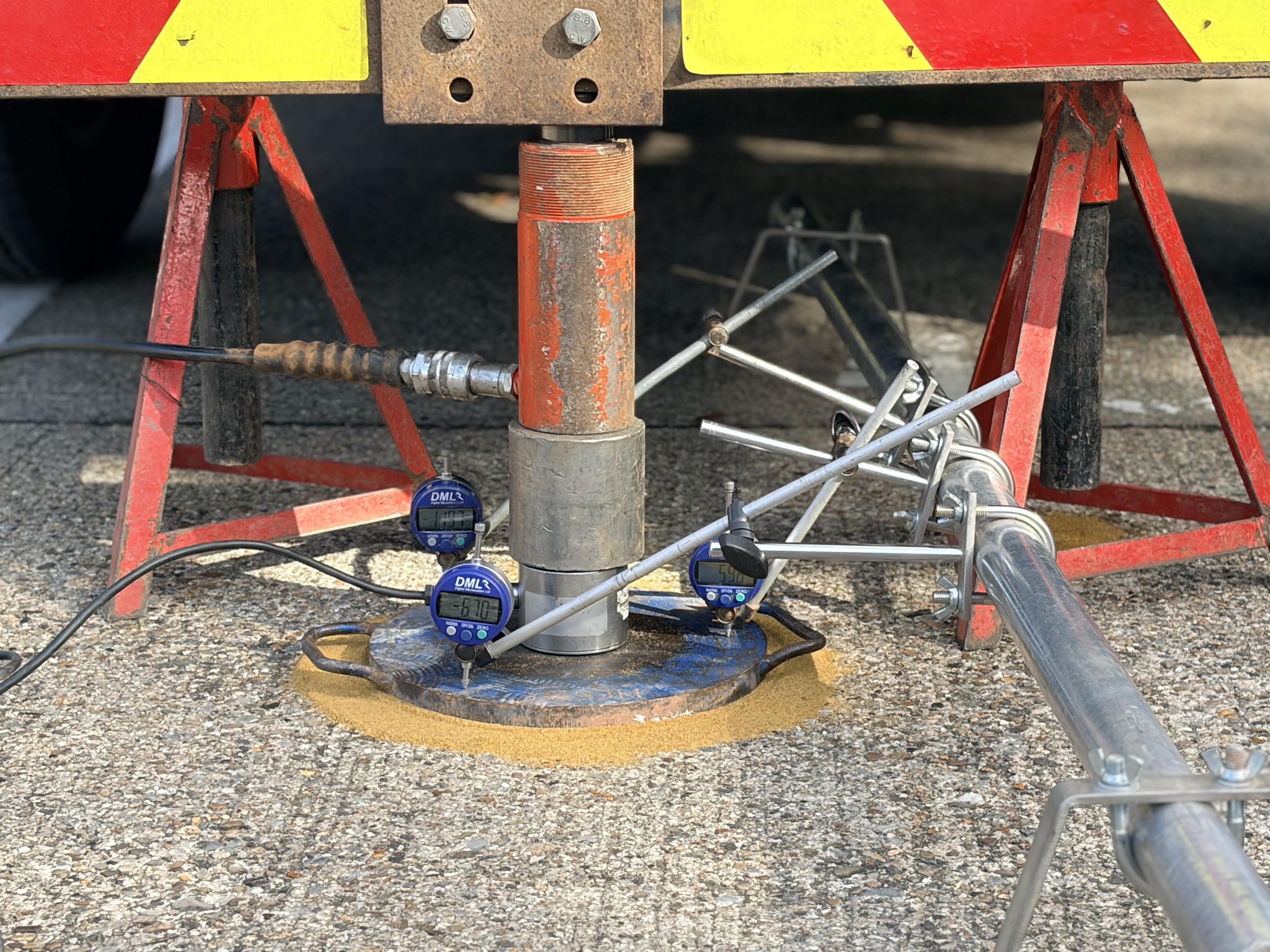
Sampling, on-site testing and laboratory testing can carry different scope entries. A laboratory may be accredited for a test in its permanent premises but not on site, or the other way round. Ask about each stage of the work.

Ask about your specified test.

Before booking, send the method or the project specification and ask whether the required testing falls within the current accredited scope. If part of the programme sits outside scope, a good laboratory will say so plainly and explain the options: an accredited alternative method, a subcontracted accredited test, or non-accredited testing agreed and reported as such.

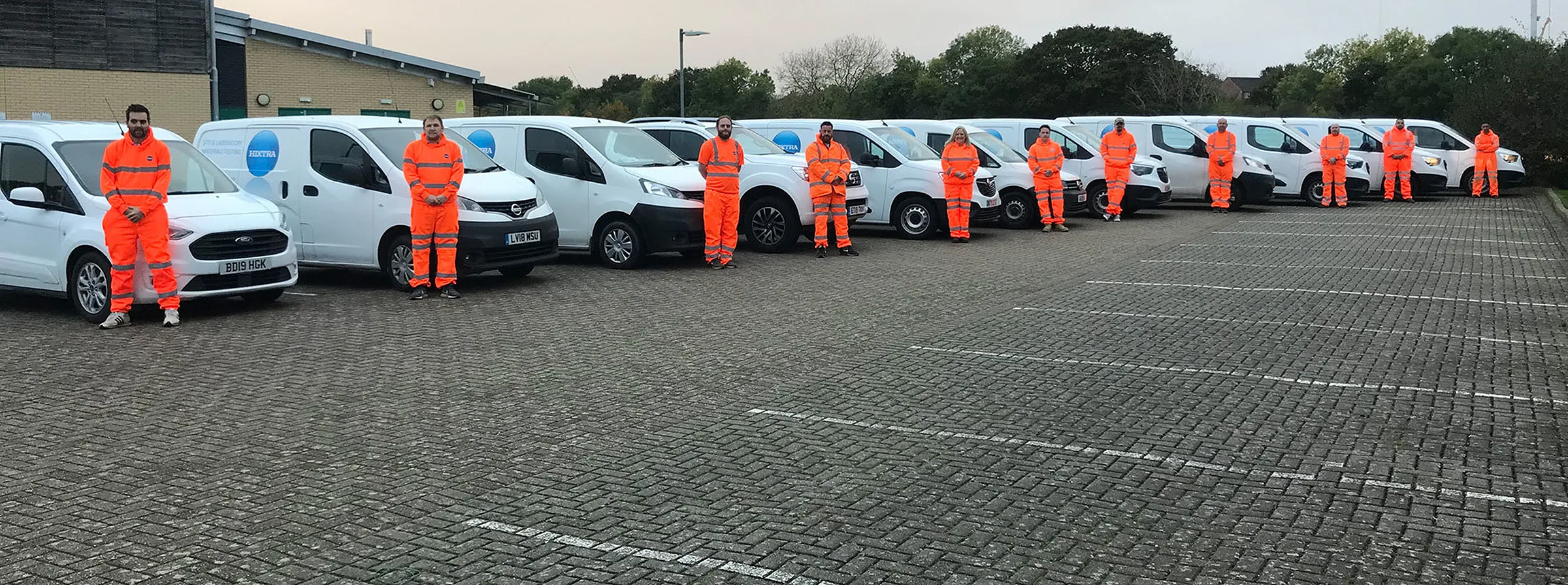
Hixtra vans and staff lined up outside

Questions people ask

Your questions, answered.

Practical answers about UKAS accreditation and how it applies to your testing.

Ask us about your project →
Does UKAS accreditation cover everything Hixtra does?

No, and it would not for any laboratory. Accreditation is issued for the specific methods and locations on our schedule. We will tell you, test by test, what is accredited for your project and what is not.

What is the difference between accredited and non-accredited results?

An accredited result has been produced under a quality system that UKAS has independently assessed for that method, including equipment calibration, staff competence and reporting. A non-accredited result may be technically sound but has not been assessed in that way, and the report must say so.

My specification just says “CBR test”. Is that enough?

Usually not. There are in-situ, laboratory and derived CBR approaches and they are not interchangeable. Send us the full specification or tell us what the result is for, and we will confirm the appropriate method and its accreditation status.

Can Hixtra arrange an accredited test that is outside its own scope?

Where a project needs a test we do not hold in scope, we will say so and, where appropriate, arrange it through an accredited partner laboratory with the reporting agreed in advance.

How do I check a laboratory's schedule of accreditation?

Search the UKAS website for the laboratory name or number and open its schedule. Hixtra's UKAS testing laboratory number is 8996.

What is UKAS, and what does ISO/IEC 17025 require of a laboratory?

UKAS is the United Kingdom's sole national accreditation body, recognised by government to assess whether testing, calibration, inspection and certification bodies are competent to do what they claim. ISO/IEC 17025 is the standard it assesses testing laboratories against. It sets requirements for staff competence, equipment calibration and traceability, validated methods, handling of samples, evaluation of measurement uncertainty and how results are reported and reviewed before release.

What does a schedule of accreditation actually list?

It lists, line by line, the materials or products the laboratory is accredited to test, the type of test or property measured and the standard or method used, with a location code showing where that work may be carried out. Each schedule carries the accreditation number, an issue number and an issue date, so you can tell which version you are reading. If the method your specification names is not on the list, it is not accredited.

What do the UKAS symbol and accreditation number on a test report mean?

They mean the laboratory holds accreditation under that number, and that the results on the report fall within its accredited scope unless the report says otherwise. The symbol is not a blanket endorsement: where a report also carries results from a method outside the schedule, those results have to be clearly identified as not UKAS accredited. The check is therefore result by result, not laboratory by laboratory.

Can testing carried out on site be UKAS accredited, or only laboratory work?

On-site testing can be accredited. A schedule of accreditation carries a location code against each entry, and where a laboratory is accredited for work away from its own premises the schedule shows that in a separate section for site activities. It does not follow automatically, though: a laboratory can hold a method in scope in its permanent laboratory but not on site, or the other way round. Check the location as well as the method.

Our specification says "UKAS accredited testing" but doesn't name a method. What should we do?

Go back to whoever wrote the specification and get the test methods named, because accreditation is granted against specific methods and the phrase on its own cannot be checked. Without a method there is nothing to look up on a schedule, and two laboratories can both be UKAS accredited while neither holds the test you actually need. Tell us what the result is for and we can suggest the methods that normally apply, so they can be written in.

Does it matter who takes the sample?

Yes, because sampling is a separate activity from testing and can sit inside or outside an accredited scope. Where sampling is within scope it is covered alongside the test. Where a sample arrives from site taken by someone else, the results apply to the sample as received and the report will say so, which matters if anyone later questions whether the sample represented the material. Ask us which stages of your programme are covered.

What is measurement uncertainty, and why does it appear on a report?

Measurement uncertainty is the range within which the true value is expected to lie, given the method, the equipment and the way the test was carried out. No measurement is exact, and an accredited laboratory has to evaluate it. Under ISO/IEC 17025 it is reported where it is relevant to how the result will be used, where you ask for it or where it affects whether the result meets a specification limit.

How is UKAS accreditation different from CHAS, SSIP or AGS membership?

UKAS accreditation is about technical competence to carry out named test methods, whereas CHAS and SSIP are health and safety pre-qualification and AGS is a trade association. Accreditation involves an independent assessment against ISO/IEC 17025, covering equipment, methods, staff and reporting. CHAS and SSIP confirm that a contractor's safety arrangements have been assessed. Hixtra carries all four, but only the UKAS accreditation says anything about the validity of a test result.

In our customers’ words

A reputation built
on the work we do.

Trustpilot 4.8 / 5 ↑

Independent feedback from the people we work with.

★★★★★

Lee ChippingtonTrustpilot · September 2026

Read the full review →
★★★★★

terry heatherTrustpilot · August 2026

Read the full review →