Understand your material
Measure density in placed soils and aggregates to support earthworks compaction control.
Earthworks, compaction & stabilisation
Measure density in placed soils and aggregates to support earthworks compaction control.
Same-day & next-day testing dates available. Call to check availability for your location and test requirements.
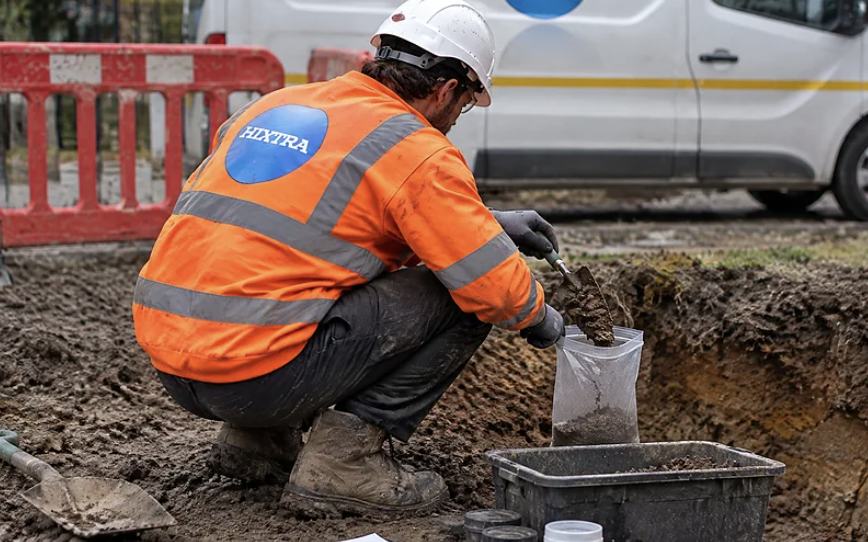
Practical testing. Experienced people. A service built around your project.
Quality, safety & professional standards
UKAS accreditation applies to the tests listed in our accredited schedule.
View our credentials ↗



Experienced people
Technical knowledge, with practical advice.
National coverage
Testing support wherever your project takes you.
A responsive service
Clear arrangements, from enquiry to reporting.
The right testing for your project
Practical advice, experienced testing staff and clear reporting. Measure density in placed soils and aggregates to support earthworks compaction control.
Speak to the team ↗Where this service helps
The right test helps answer a specific project question. We’ll agree the method and requirements with you before the work begins.
Measure density in placed soils and aggregates to support earthworks compaction control.
Agree the test method, sample condition and acceptance criteria before the work begins.
Use clear test records to support your project’s material and engineering assessment.
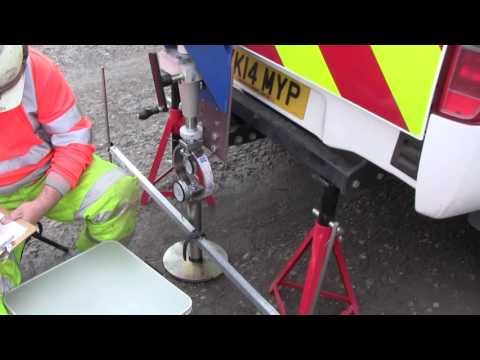
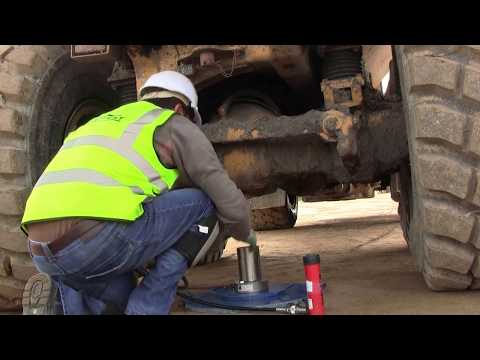
Methods may include sand replacement, core cutters or suitable non-nuclear equipment. Material type and particle size affect method selection. We coordinate the field results with the required laboratory reference and moisture measurements.

A closer look
Methods may include sand replacement, core cutters or suitable non-nuclear equipment. Material type and particle size affect method selection. We coordinate the field results with the required laboratory reference and moisture measurements.
UKAS accreditation applies to the particular methods listed in Hixtra’s current schedule, rather than every service. Ask us to confirm the accreditation status of the testing you require.
Hixtra in action
Working with Hixtra
From your first enquiry to your report, you’ll have practical advice on what to book, how to prepare and what happens next.
Share the site location, materials and testing specification. If you are unsure which test you need, we can help.
We agree the scope, access or sample requirements, availability and reporting arrangements before work starts.
Your results are reported for the agreed testing. Our team is on hand if you need to discuss the report.
Testing support across England & Wales
From individual site visits to ongoing testing programmes, we support construction, civil engineering and geotechnical projects across England and Wales.
Check availability for your site ↗Your questions
Practical answers on what this test is for, how to prepare and what you get back.
Ask us about your project →A known volume of the compacted layer is removed, the material taken out is weighed, and the volume of the hole is measured, which gives the bulk density in place. A moisture content is then determined so the result can be reported as a dry density and compared with the laboratory reference. Sand replacement and core cutter methods are described among the in-situ tests in BS 1377-9; non-nuclear equipment measures indirectly and is correlated back to one of them.
A hole is excavated in the compacted layer, the material removed is weighed and sampled for moisture content, and the volume of the hole is then measured by running calibrated sand into it from a pouring cylinder. Two sizes are used: a small pouring cylinder for finer material and a large pouring cylinder for coarser layers. It is the method most specifications treat as the reference, and it works on most granular and cohesive layers.
The core cutter suits cohesive soils that are free of stone and firm enough to hold their shape. A steel tube of known volume is driven into the layer and recovered full, so the density follows directly from the weight of material in a known volume, which makes it quick and repeatable. It cannot be used in granular material, in stony ground, or where driving the tube would disturb the layer being tested.
The field methods we normally use are sand replacement, the core cutter and suitable non-nuclear equipment. A nuclear gauge is a recognised and fast method, but it contains a radioactive source, which brings licensing, transport, storage and site permission obligations, and a good many clients and sites will not accept one. If your specification names a nuclear gauge specifically, tell us and we will discuss how the requirement can be met.
It can be reliable, but only once it has been correlated to a direct method on the actual material being tested. Electromagnetic gauges, usually referenced to ASTM D7830, infer density and water content from the material's electrical response, so readings depend on soil type, mineralogy and good contact with a level surface. Normal practice is to calibrate against sand replacement results on that material, then use the gauge for the bulk of the readings.
A sand replacement test usually takes around half an hour at each position, a core cutter rather less, and a correlated non-nuclear reading only a few minutes once the correlation is established. How many positions fit into a visit depends on the travel between them, the state of the layer and whether moisture contents are being dried on site or at the laboratory. We agree the expected number of positions when the visit is booked.
Positions should represent the whole layer, not the parts that are easiest to reach. The number comes from your specification or testing schedule, and the locations are normally spread across the area and deliberately include where compaction is hardest to achieve: edges, the ends of runs, around structures and drainage, and anywhere the roller has had to work in confined space. Random or stratified positioning is often specified to avoid selective testing.
The layer needs to be fully compacted, trimmed to level and clear of plant, with a safe working area around each position. Testing a layer that is still being worked, standing in water or already covered by the next lift wastes the visit. Let us know the access route to each position, because equipment and calibrated sand have to be carried in, and tell us if any position sits in a trafficked area.
Yes, a hole is left and it has to be reinstated. Sand replacement and core cutter tests each remove a small volume of the layer, typically around 150 mm deep and deeper again for coarse material, and the position is backfilled and compacted afterwards. On a finished or trafficked surface it is worth agreeing beforehand who reinstates and to what standard, since reinstating through a bound surface is a different job from filling a hole in soil.
Coarse granular fill, rockfill and very stony ground are the hardest, because a single large stone in or beside the test hole distorts the result and the hole has to be big enough for the material to be represented. Very soft or wet cohesive material can collapse into the hole, and a thin layer over a hard base can be influenced by what lies beneath it. Where a layer is genuinely untestable by direct measurement, method compaction records are often the better route.
Hixtra holds UKAS accreditation to ISO/IEC 17025 for the tests listed in its schedule of accreditation, number 8996. Accreditation is specific to the listed methods and scope, and on-site work and laboratory work can carry different entries, so the field density method and the moisture content determination are considered separately. Ask us to confirm whether the methods your specification names are covered before the visit is booked.
Send the site postcode, the specification or testing schedule, the material being tested, the number of positions and layers, and your preferred dates. Tell us whether a laboratory maximum dry density already exists for the material, because field results cannot be assessed without one. Access, ground conditions and any need to work outside normal hours or under traffic management also affect the visit, so mention those as well.
In our customers’ words
Independent feedback from the people we work with.
“Punctual, friendly and professional.”Read the full review ↗
“Perfect service and explained everything step by step.”Read the full review ↗
“Excellent service! Incredibly professional. Thankyou”Read the full review ↗
Customers come back to Hixtra
Read independent feedback from customers who have used our testing services.
4.8 / 5 on Trustpilot
“Punctual, friendly and professional.”
Lee Chippington · September 2026
Read this customer’s review ↗Same-day and next-day testing dates available. Tell us what you need and where, or call to check availability.