Understand your material
Assess the load and settlement behaviour of working platforms used by piling rigs.
Ground testing & bearing capacity
Assess the load and settlement behaviour of working platforms used by piling rigs.
Same-day & next-day testing dates available. Call to check availability for your location and test requirements.
Practical testing. Experienced people. A service built around your project.
Quality, safety & professional standards
UKAS accreditation applies to the tests listed in our accredited schedule.
View our credentials ↗



Experienced people
Technical knowledge, with practical advice.
National coverage
Testing support wherever your project takes you.
A responsive service
Clear arrangements, from enquiry to reporting.
The right testing for your project
Practical advice, experienced testing staff and clear reporting. Assess the load and settlement behaviour of working platforms used by piling rigs.
Speak to the team ↗Where this service helps
The right test helps answer a specific project question. We’ll agree the method and requirements with you before the work begins.
Assess the load and settlement behaviour of working platforms used by piling rigs.
Agree the test method, sample condition and acceptance criteria before the work begins.
Use clear test records to support your project’s material and engineering assessment.
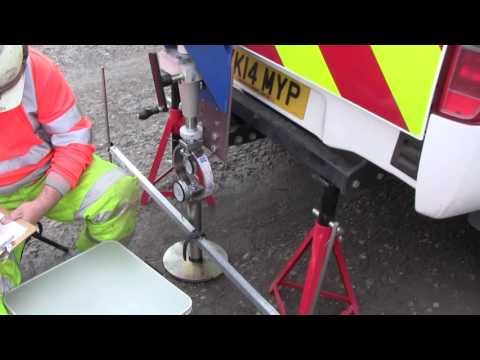
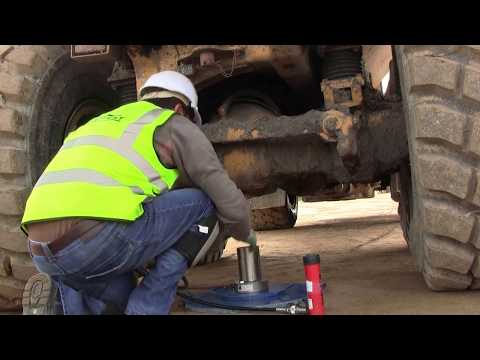
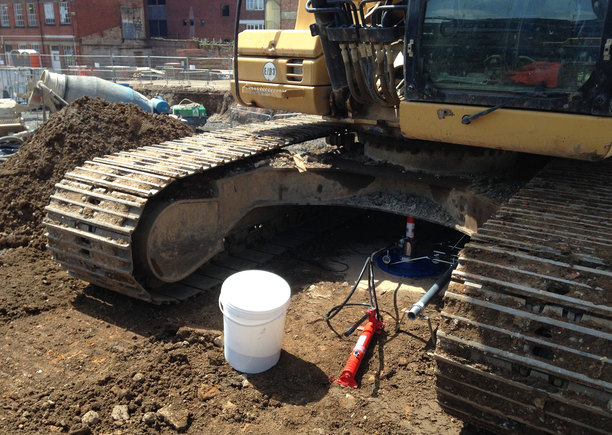
Tell us the working platform specification, required bearing pressures and proposed test locations. We can arrange plate bearing testing and, where specified, formation testing before the platform is constructed. Interpretation remains linked to the platform design and ground conditions.

A closer look
Tell us the working platform specification, required bearing pressures and proposed test locations. We can arrange plate bearing testing and, where specified, formation testing before the platform is constructed. Interpretation remains linked to the platform design and ground conditions.
UKAS accreditation applies to the particular methods listed in Hixtra’s current schedule, rather than every service. Ask us to confirm the accreditation status of the testing you require.
Hixtra in action
Working with Hixtra
From your first enquiry to your report, you’ll have practical advice on what to book, how to prepare and what happens next.
Share the site location, materials and testing specification. If you are unsure which test you need, we can help.
We agree the scope, access or sample requirements, availability and reporting arrangements before work starts.
Your results are reported for the agreed testing. Our team is on hand if you need to discuss the report.
Testing support across England & Wales
From individual site visits to ongoing testing programmes, we support construction, civil engineering and geotechnical projects across England and Wales.
Check availability for your site ↗Your questions
Practical answers on what this test is for, how to prepare and what you get back.
Ask us about your project →It measures how much the constructed working platform settles under a known applied pressure at each test position. The test is normally a plate bearing test: a plate is loaded in stages against a reaction and the settlement recorded at each increment, producing a load-settlement result for that position. The result describes how the platform behaved where it was tested. Whether that satisfies the platform design is a judgement for the temporary works designer.
Because piling contractors normally require written confirmation that the platform has been designed, built to that design and will be maintained, before tracking a rig onto it. In practice that confirmation is the working platform certificate, signed by the principal contractor and handed to the piling contractor before piling starts. Measured test data is the evidence behind that signature, which is why certificates are often held up waiting for testing.
Granular working platforms are normally designed to the current Temporary Works Forum guidance on granular working platforms, which replaced the 2019 edition, and some specifications still name the earlier BRE report BR 470. The plate bearing test itself is commonly carried out in accordance with BS 1377-9. Your project specification takes precedence over any general guidance, so send it across and we will confirm the method, plate size and loading before we attend.
No, the working platform certificate is signed by the principal contractor and issued to the piling contractor before work starts, and we are not a party to it. Our role is to provide measured plate bearing data at the agreed positions, reported factually. The platform design, the decision that the platform is adequate for the plant proposed and the certificate itself remain with the designer and the principal contractor.
They answer different questions, and on some projects both are specified. Testing the formation before construction gives the designer the subgrade strength that the platform thickness is designed against, which matters where the ground is variable or the design is still being developed. Testing the finished platform verifies what was actually built and placed. The specification usually makes clear which stage is required, and the two visits are planned around the earthworks programme.
Both should be set by the platform designer rather than chosen on site. Guidance on granular platforms warns that a small plate stresses only a shallow zone and may have little influence on the subgrade beneath a rig track, so plate diameter should relate to the track or outrigger pad being represented. Plate diameters commonly run from 300mm to 600mm, with larger plates used where the loaded area justifies it. The maximum pressure is normally the design bearing pressure plus an agreed margin.
The number and location are set by the platform designer or temporary works engineer, based on the platform area, how it was built and how variable the underlying ground is. Positions are usually spread across the platform rather than clustered, and typically include rig standing areas, any part built over softer ground or backfilled services and areas placed late or in poor weather. We test wherever you mark up and record each position in the report.
It should be fully constructed to the design thickness, compacted and reasonably level and clean at each test position. Standing water, loose surface material or a rutted finish affects how the plate seats and can distort the result. We also need safe access for a reaction machine, normally a tracked excavator, at every position, plus a working area that stays clear of plant movements while each test is running.
We report the measured load and settlement data as recorded, and the designer decides what it means for the platform. In practice the usual outcomes are additional platform thickness, reworking or replacing the material in that area or a change to the plant allowed to track on it. We can return and retest once remedial works are complete, with the retest positions agreed with the designer beforehand rather than chosen on the day.
Each test position is reported with its reference and location, the plate diameter used, the applied pressures, the settlement recorded at each load increment and the resulting load-settlement data. The report states the method followed, the date, the conditions on site at the time and the accreditation status of the result. It is issued to whoever instructs the work, and is commonly passed on to the temporary works designer and the piling contractor.
Hixtra holds UKAS accreditation to ISO/IEC 17025 for the tests listed in its schedule of accreditation, number 8996. Accreditation is specific to the listed methods and scope, so it attaches to particular methods rather than to a service as a whole, and each report states the status of the result. Ask us to confirm whether the test you need is covered before the work is booked.
Send the site postcode, the platform specification or design, the required bearing pressure, the number and location of test positions and your preferred dates. Cost is driven mainly by the number of positions, travel to site, whether you can provide the reaction machine and any standby, out-of-hours or weekend working. Call 01908 505833 or email enquiries@hixtra.co.uk and we will price the scope.
In our customers’ words
Independent feedback from the people we work with.
“Punctual, friendly and professional.”Read the full review ↗
“Perfect service and explained everything step by step.”Read the full review ↗
“Excellent service! Incredibly professional. Thankyou”Read the full review ↗
Customers come back to Hixtra
Read independent feedback from customers who have used our testing services.
4.8 / 5 on Trustpilot
“Punctual, friendly and professional.”
Lee Chippington · September 2026
Read this customer’s review ↗Same-day and next-day testing dates available. Tell us what you need and where, or call to check availability.