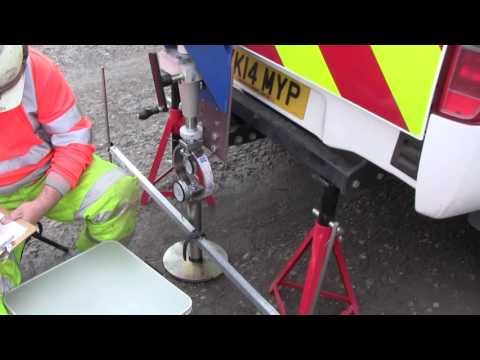
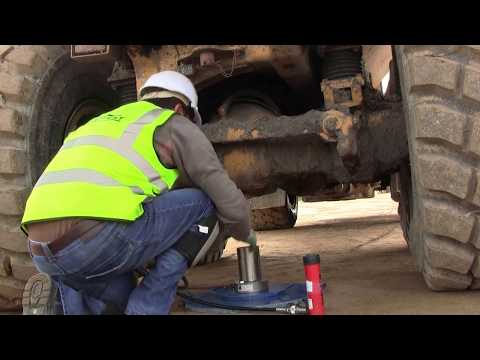
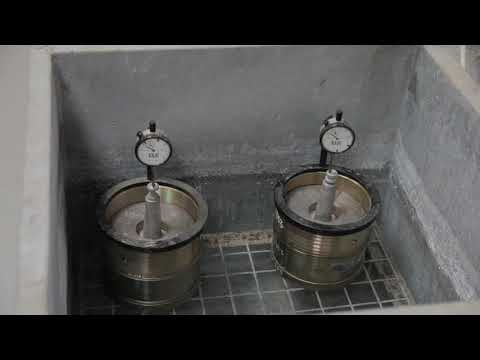
Understand your material
Coordinate laboratory and on-site testing for cut and fill, bunds, engineered layers and stabilisation works.
Earthworks, compaction & stabilisation
Coordinate laboratory and on-site testing for cut and fill, bunds, engineered layers and stabilisation works.
Same-day & next-day testing dates available. Call to check availability for your location and test requirements.
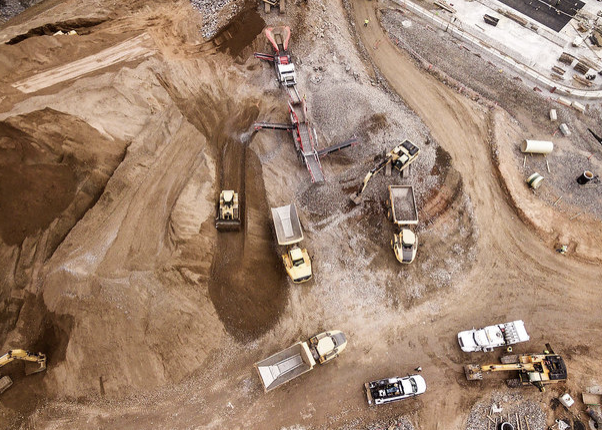
Practical testing. Experienced people. A service built around your project.
Quality, safety & professional standards
UKAS accreditation applies to the tests listed in our accredited schedule.
View our credentials ↗



Experienced people
Technical knowledge, with practical advice.
National coverage
Testing support wherever your project takes you.
A responsive service
Clear arrangements, from enquiry to reporting.
The right testing for your project
Practical advice, experienced testing staff and clear reporting. Coordinate laboratory and on-site testing for cut and fill, bunds, engineered layers and stabilisation works.
Speak to the team ↗Where this service helps
The right test helps answer a specific project question. We’ll agree the method and requirements with you before the work begins.
Coordinate laboratory and on-site testing for cut and fill, bunds, engineered layers and stabilisation works.
Agree the test method, sample condition and acceptance criteria before the work begins.
Use clear test records to support your project’s material and engineering assessment.
Classification tests establish material properties before use. Site testing then supports the control of moisture, compaction and performance as work progresses. Share the earthworks specification so the testing schedule matches the fill classes and construction sequence.

A closer look
Classification tests establish material properties before use. Site testing then supports the control of moisture, compaction and performance as work progresses. Share the earthworks specification so the testing schedule matches the fill classes and construction sequence.
UKAS accreditation applies to the particular methods listed in Hixtra’s current schedule, rather than every service. Ask us to confirm the accreditation status of the testing you require.
Hixtra in action
Working with Hixtra
From your first enquiry to your report, you’ll have practical advice on what to book, how to prepare and what happens next.
Share the site location, materials and testing specification. If you are unsure which test you need, we can help.
We agree the scope, access or sample requirements, availability and reporting arrangements before work starts.
Your results are reported for the agreed testing. Our team is on hand if you need to discuss the report.
Testing support across England & Wales
From individual site visits to ongoing testing programmes, we support construction, civil engineering and geotechnical projects across England and Wales.
Check availability for your site ↗Your questions
Practical answers on what this test is for, how to prepare and what you get back.
Ask us about your project →It falls into two halves: classification testing to establish what the material is and whether it can be used, and control testing during placement to confirm it has been compacted as specified. Classification typically covers grading, plasticity, moisture content and Moisture Condition Value, sometimes with CBR, shear strength and chemical tests. Control testing is mostly in-situ density and moisture, run layer by layer as cut and fill, bunds and engineered layers are built up.
On highways and most major infrastructure work it is Series 600 of the Specification for Highway Works. Series 600 sorts fill into classes covering general granular and general cohesive fill, selected granular and cohesive fill and stabilised material, and sets the acceptability requirements for each in its material table. The individual test methods it calls up are largely BS 1377 methods, with the project-specific limits and testing frequencies written into the contract appendices.
Method compaction specifies how the material is placed; end-product compaction specifies what the finished layer has to achieve. Under method compaction the specification sets the plant category, the maximum layer depth and the minimum number of passes for each material class, so compliance is demonstrated by the placing record. Under end-product compaction the field dry density has to reach a stated percentage of a laboratory maximum dry density, which means density testing on every layer.
Enough to assign the material to a class and confirm it meets the acceptability requirements for the use you have in mind. That normally means grading, plasticity, moisture content and a Moisture Condition Value, plus a laboratory compaction test to establish maximum dry density and optimum moisture content, with chemical testing where sulfate or organic content matters. Test each distinct material separately rather than averaging across a mixed stockpile or a deep face.
MCV is used as a fast suitability check on whether material is dry enough to place and compact. It measures the compactive effort needed to bring a sample close to full compaction, and the result is available in minutes rather than waiting overnight for an oven-dried moisture content. The acceptable range is set in the specification for each material class, and calibrating MCV against moisture content for that material makes the site readings far more useful.
You need one if you intend to use plant or a layer thickness the specification does not already cover. Series 600 allows plant and methods outside its own compaction table only where the contractor demonstrates at site trials that the alternative achieves an equivalent state of compaction. A trial is also worth doing voluntarily on an unfamiliar material, because it settles layer thickness and pass count before there is a whole embankment to argue about.
The frequency is set by the contract rather than by the test standard. On Series 600 jobs it is written into the contract-specific appendix, typically as a rate per layer, per area or per volume of material placed, and it applies separately to each material type. Expect the rate to tighten when the material changes, after a failure, when a new borrow area opens or when the weather has affected placing conditions.
Testing usually increases rather than stops, because moisture is what governs whether material stays acceptable. Cohesive fill wet of optimum will not reach the required density however much it is rolled, so MCV and moisture checks become the daily control, and material that was acceptable in September can be unacceptable in January. Stabilisation is more restricted still: lime and cement specifications normally set a seasonal window and a minimum temperature for the works.
Results normally go to whoever is signing the layer off, usually the site engineer or the client's representative, with a copy to whoever instructed the testing. Because filling often cannot continue until the layer below is accepted, field density and moisture results are commonly wanted the same day or the next morning. Tell us who needs the report and to what deadline and we will confirm the expected timing before the work is booked.
It usually is once the daily testing volume is high enough that travelling to site for each round of tests becomes the constraint. A project laboratory suits sustained fill programmes where moisture contents, MCV and density results are needed the same day to release layers and keep plant working. Below that, scheduled visits from the regional team are normally more economical. Send us the programme and expected volumes and we will advise which makes sense.
Send us the specification or testing schedule and we will go through it method by method. Hixtra holds UKAS accreditation to ISO/IEC 17025 for the tests listed in its schedule of accreditation, number 8996, and accreditation is specific to the listed methods and scope rather than to a service as a whole. Where part of a programme sits outside that scope we will say so before work starts, not at reporting stage.
Send the site postcode, the earthworks specification and testing schedule, the fill classes involved, the expected volumes and the construction sequence. Cost across a programme is driven mainly by the number of visits and test positions, the split between laboratory and site work, travel, and any standby or out-of-hours working. An outline programme gives a far more useful price than a list of test names, and preferred dates let us confirm availability.
In our customers’ words
Independent feedback from the people we work with.
“Punctual, friendly and professional.”Read the full review ↗
“Perfect service and explained everything step by step.”Read the full review ↗
“Excellent service! Incredibly professional. Thankyou”Read the full review ↗
Customers come back to Hixtra
Read independent feedback from customers who have used our testing services.
4.8 / 5 on Trustpilot
“Punctual, friendly and professional.”
Lee Chippington · September 2026
Read this customer’s review ↗Same-day and next-day testing dates available. Tell us what you need and where, or call to check availability.