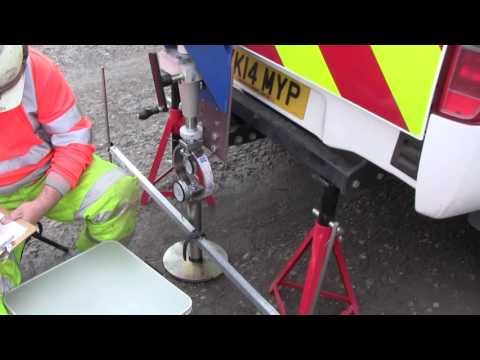
 Watch the film
CBR & plate bearing testing
Wales
CBR and plate bearing testing across Wales, from Cardiff, Newport and Swansea to Aberystwyth and Colwyn Bay. Same-day and next-day dates often available.
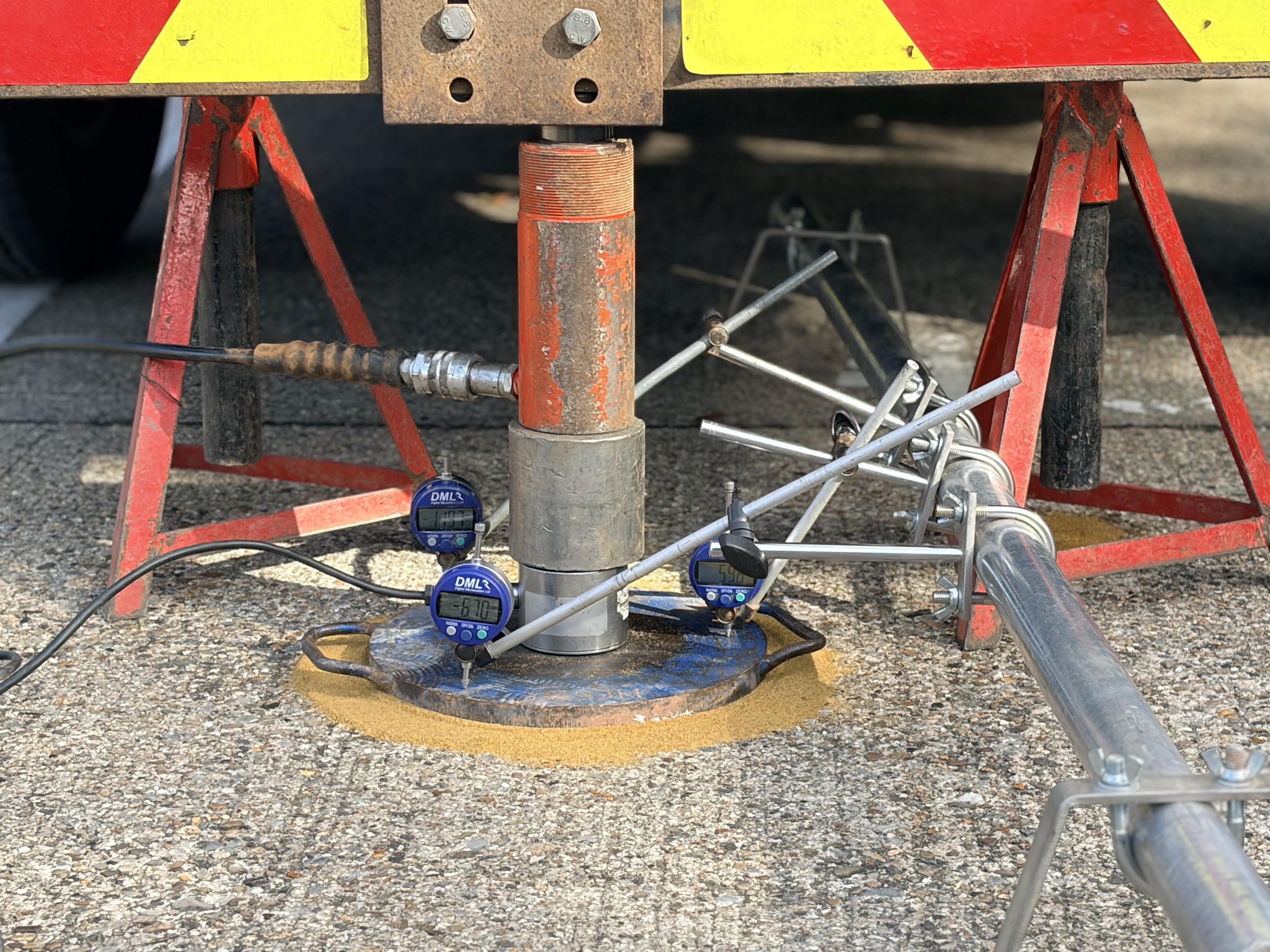
On your site. On your side.
Same-day and next-day testing dates are often available. Call to check dates for your location and test requirements.
Quality, safety & professional standards
Expertise you can check.
UKAS accreditation applies to the tests listed in our accredited schedule.
View our credentials ↗


Experienced people
Technical knowledge, with practical advice.
National coverage
Testing support wherever your project takes you.
A responsive service
Clear arrangements, from enquiry to reporting.
Your regional contact
Local project details.
National testing expertise.
Same-day and next-day testing dates are available. Call your regional number to check dates for your location and test requirements. Site visits are coordinated centrally by Hixtra.
Areas served
Cardiff, Colwyn Bay, Newport, Fishguard, Aberystwyth and Swansea
Send your site postcode so we can confirm travel, access and availability. Coverage does not imply a permanent office in each town.
Local projects
The work we are called out to do here.
Wales is inside our standard England and Wales attendance area, so Newport, Swansea or Colwyn Bay is ordinary work, not a special case. Most calls are for working platform tests for piling rigs, on valley regeneration schemes and former industrial land where the platform sits on made ground over colliery spoil, and on the Wentlooge and Caldicot levels either side of Cardiff and Newport where soft ground governs the design. Along the M4 corridor and the A55 we plate test industrial and distribution hardstanding. CBR testing for estate and highway schemes runs all year, and crane pads for energy, grid and coastal projects take us to Pembrokeshire and the north coast.
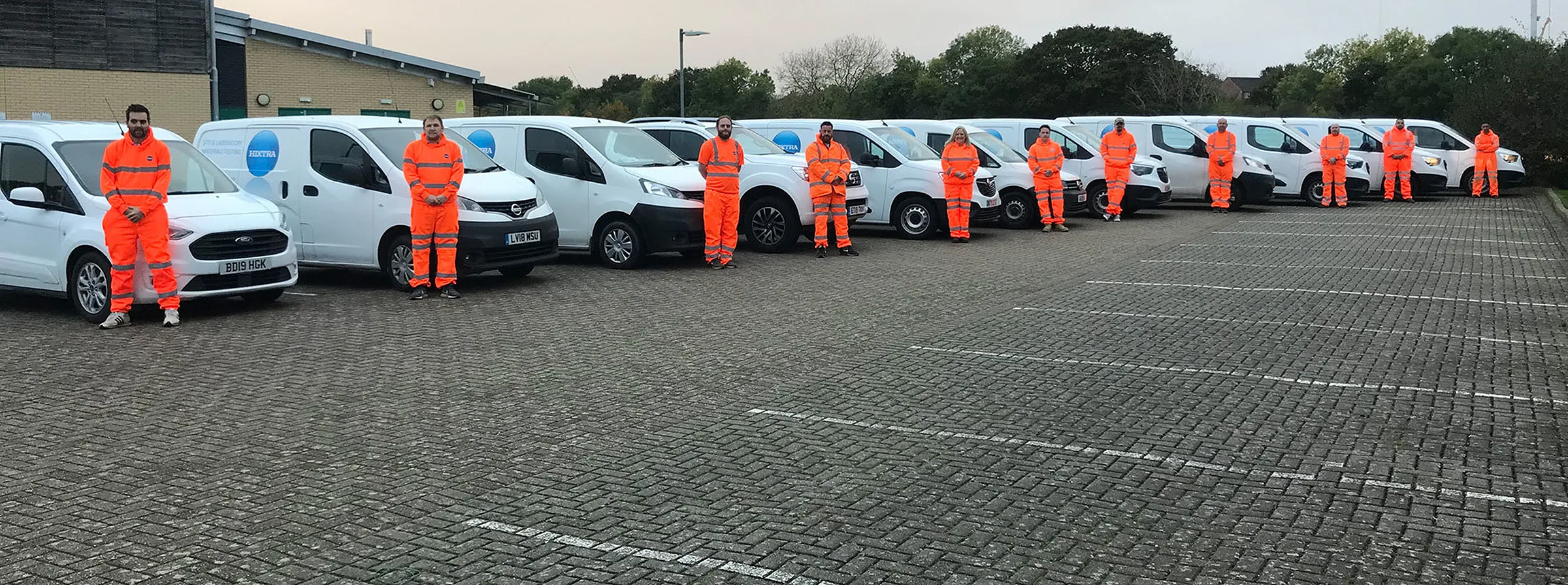
Every visit is made from our laboratory in Milton Keynes. South East Wales is a direct run along the M4; Fishguard, Aberystwyth and the A55 are long days, so group every position into one visit. Same-day and next-day dates are often available, subject to the schedule. On coalfield sites we often work alongside your ground investigation contractor, so tell us what else is booked. Fresh concrete testing, meaning slump, flow and cube making, is only offered within about an hour of Milton Keynes and is not available in Wales. Hardened cube testing and coring are available across England and Wales. Ring 0117 422 8206, the number for this region, or send your site postcode for a quote.
Choose the right method
Ground testing that matches your specification.
Tell us the site conditions and what your specification requires. We can help you choose between direct CBR, plate bearing and other suitable ground-testing methods.
Plate bearing & derived CBR
Assess ground performance under a loaded plate for pavements, earthworks and working platforms. Where a derived CBR is required, the method and interpretation must be agreed against your project specification.
Plate bearing testing →In-situ CBR, LWD & DCP
Different methods answer different questions. Tell us the specified test, the material and the stage of construction. We can help arrange the appropriate testing package without treating these results as interchangeable.
Explore ground testing →Ground conditions
What the ground here tends to do.
The South Wales Coalfield runs under the valleys from Pontypool to Llanelli, and most valley sites are not natural ground. They are colliery spoil, regraded tips and made ground over the Coal Measures, with a well documented mining legacy. Spoil is dense and well burnt in one place and loose and wet in the next, so CBR and plate results scatter and one good value proves little. We treat a plate test on spoil as a check on the placed platform or capping, not on what lies beneath, and pair it with DCP to see whether strength holds at depth. Pennant Sandstone from the valley sides makes good granular fill when won locally, and a platform built from it tests well if properly compacted.
The Wentlooge and Caldicot levels either side of Cardiff and Newport are soft estuarine alluvium over peat with a high water table. Bearing capacity is very low, in situ CBR often sits near the floor of the test, and a working platform is routinely required. A plate on the platform does not tell you how the alluvium behaves under a rig; DCP profiles through it and a check against BRE 470 are the sensible route. Carboniferous Limestone along the Gower, the Vale of Glamorgan and the north east coast is the easy case. Mid and north Wales is Ordovician and Silurian mudstones, siltstones and slates, with glacial till in the valleys, head on the slopes and alluvium in the floors, a mix that changes across one plot. Blown sand around Swansea Bay, Pembrokeshire and the north coast reads well damp and compacted and drops once it dries and loosens under trafficking, so time readings accordingly.
Regional coverage, one schedule
Local knowledge. National reach.
Every visit is planned and reported from the Hixtra laboratory in Milton Keynes, so you get the same people, the same methods and the same reporting wherever the site is.
Check availability for your site ↗Before your visit
A little preparation.
A smoother site visit.
Send the specification
Include required methods, test locations, material details and any acceptance criteria set by your engineer.
Confirm access and reaction load
For plate bearing testing, discuss the required reaction load, safe working area and site access before booking.
Agree dates and reporting
We will confirm availability, scope and expected reporting arrangements for the work you need.
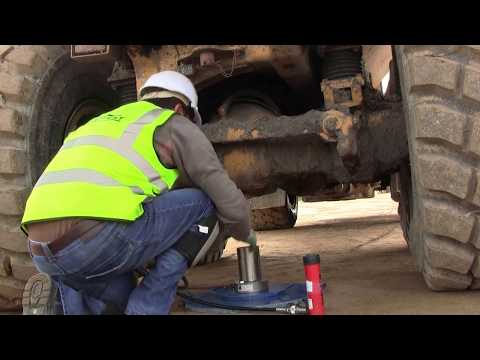
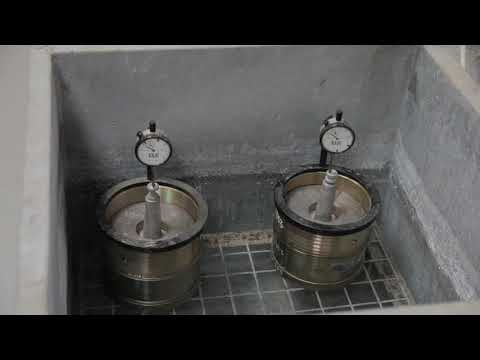
Hixtra in action
See the testing in practice.
Your questions
Your questions, answered.
Practical answers on ground conditions, choosing a test and arranging a visit in this region.
Ask us about your project →Which parts of Wales do you cover?
All of it. Wales sits inside our standard England and Wales attendance area, so Cardiff, Newport and Swansea along the M4, Fishguard and Aberystwyth on the west coast, and Colwyn Bay and the A55 corridor in the north are all places we attend as a matter of routine. That includes the valleys of the South Wales Coalfield, the Wentlooge and Caldicot levels, the Gower and the Vale of Glamorgan, and the mid Wales uplands in between. Every visit is made from our laboratory in Milton Keynes rather than from a Welsh base, and the travel is part of the quote, so send us the site postcode and we will price the visit as a whole.
How quickly can you attend a Welsh site, and how does the travel work?
Same-day and next-day dates are often available, subject to the schedule. For Newport, Cardiff and Swansea the M4 makes that a realistic ask. Pembrokeshire, Ceredigion and the north coast are long drives from Milton Keynes, so we plan those a few days out and try to cover every test position you have in one day rather than return. Travel is built into the quote, which means the second and third positions on a visit cost far less than the first. If a rig or crane is arriving on a fixed date, tell us early and we will hold the diary. We will not promise a time we cannot keep.
What is the ground like in Wales and what should I expect from it?
Three very different kinds of ground, often within a short drive of each other. In the valleys from Pontypool to Llanelli you are on the Coal Measures and, more often than not, on colliery spoil or regraded tips rather than natural ground, so results scatter. On the coastal levels around Cardiff and Newport you are on soft estuarine alluvium over peat with a high water table, so bearing is very low and a working platform is almost always required. Across mid and north Wales it is mudstone, siltstone and slate with glacial till, head and alluvium in the valleys, plus blown sand on parts of the coast. Firm limestone along the Gower and the Vale of Glamorgan is the easy case.
My site is on regraded colliery spoil. What will testing tell me and what will it not?
A plate bearing or CBR test on spoil tells you how that position performs on that day under that load. It does not tell you what is happening two metres down or ten metres along, because spoil changes from dense, well burnt material to loose, wet fill within a short distance, and the mining legacy underneath may include old workings that no surface test will find. So we treat plate tests as proof of the platform or capping you have placed, and we recommend DCP alongside them to check that strength continues with depth. Where the site has a ground investigation running, we work with your contractor so the surface results and the boreholes tell one story.
Plate bearing, CBR, LWD or DCP: which should I ask for in Wales?
Follow your specification first. For distribution hardstanding along the M4 and the A55, a plate bearing test to the design bearing pressure is the norm, on a sub-base that is usually Pennant Sandstone or limestone. For estate and highway formations, in situ CBR is what the road designer expects. On the levels and on spoil, a DCP profile alongside the plate shows whether the strength continues below the plate’s influence, which on a working platform is the question that actually matters. LWD suits large areas where you need many quick readings to find the weak patches, for instance across a regraded tip before you commit to a plate layout. Tell us the ground and we will suggest a mix.
Can you do slump tests and make cubes on my site in Wales?
No. Fresh concrete testing, meaning slump, flow and cube making on site, is only offered within about an hour’s drive of our laboratory in Milton Keynes. No part of Wales falls inside that radius, and the west and north coasts are a great deal further out. Fresh concrete has to be sampled and made into cubes promptly, so a long journey is not something we will work around. For fresh testing on a Welsh pour, use a laboratory within an hour of your site. Hardened concrete is different. Cube testing and coring are available across England and Wales, which means anywhere in Wales, and we cover that in the next answer.
Do you test hardened concrete cubes and cores from Welsh sites?
Yes. Hardened concrete work, meaning compressive strength testing of cubes and the coring and testing of existing concrete, is available across England and Wales. Cubes made and cured on your site can be delivered or sent to Milton Keynes for crushing. For coring we attend the site, which for a slab or hardstanding in Cardiff, Swansea or along the A55 is routine, and the cores are tested in the laboratory afterwards. One point to check before you rely on the report: Hixtra is still obtaining UKAS accreditation for some concrete methods, so confirm with us whether the specific concrete test you need is currently on our schedule.
Can you test a piling working platform on the Wentlooge or Caldicot levels?
Yes. This is routine work for us because the levels either side of Cardiff and Newport are soft estuarine alluvium over peat with a high water table, and the ground almost never carries a tracked rig without a platform. The test that matters is not just the plate on the granular platform but what supports it, so we combine plate bearing tests at the designer’s positions with DCP profiles down through the platform into the alluvium. Send us the platform design, the rig and its bearing pressures, and the number of positions, and we will report against BRE 470 where that is the basis of the design. If the platform has been trafficked or has sat through wet weather, say so.
Do you test crane pads for energy, grid and coastal projects in Wales?
Yes. Crane hardstanding for energy, grid connection and coastal schemes takes us across Wales, from substations in the valleys to the Pembrokeshire and north Wales coasts. The ground under a pad might be regraded spoil, glacial till, head on a slope or blown sand, and each behaves differently under an outrigger. We carry out plate bearing tests on the pad and at the outrigger positions to the bearing pressure your lift plan requires and can add CBR or DCP to check what sits beneath the stone. Give us the crane model, the outrigger loads and the pad layout, and tell us about steep valley access or narrow coastal tracks so the reaction machine can get in.
Is Hixtra UKAS accredited?
Hixtra holds UKAS accreditation to ISO/IEC 17025 under schedule number 8996. That accreditation is held test by test, never for the company as a whole, and it covers only the methods listed on our current schedule. Most of our soil and aggregate tests are on it. Some concrete tests are not yet, because we are still working through accreditation for them. If your specification for a Welsh scheme requires accredited results, tell us the test and the standard before you book and we will confirm whether that method is currently on our schedule. Never assume a test is covered; ask, and we will show you the relevant schedule entry.
What do you need from me before the visit?
The site postcode, plus a grid reference or what3words for valley and upland sites where the postcode covers a wide area. The specification and the target values, the number of test positions, and the platform or pavement design if there is one. Valley sites often combine made ground over spoil with steep access, so tell us how the reaction machine reaches each position, whether the haul road is stone or mud, and where the gates and weight limits are. If a ground investigation contractor is on site, tell us who they are and what they are doing, because our results are more useful when they line up with the boreholes. Induction requirements and site contact details help too.
How are results reported?
Field readings are normally available on the day and we usually issue the written report the same day or the next working day. That is our normal practice, not a guaranteed turnaround. The report sets out the method, the positions, the readings and the calculated values, whether that is an in situ CBR, a plate bearing pressure and settlement plot, or a DCP blow count profile, and records the ground we found, which on spoil or the levels is often the most useful part. Where the test is on our UKAS schedule and you asked for an accredited report, it is issued as one. If a position fails, we say so plainly.
Do you have an office in Cardiff, Swansea or Colwyn Bay?
No. Hixtra has no office, depot, staff or vehicles based anywhere in Wales. Wales is inside our standard attendance area and we treat it as home ground, but every visit is made by engineers travelling from our laboratory in Milton Keynes, and every laboratory test is carried out there. We would rather say that plainly than let a regional page suggest otherwise. In practice it means the travel is part of the quote, that grouping positions into one visit saves you money, and that west and north Wales need a little more notice than the M4 corridor. What you get is the same laboratory behind the report whether the site is in Newport or Colwyn Bay.