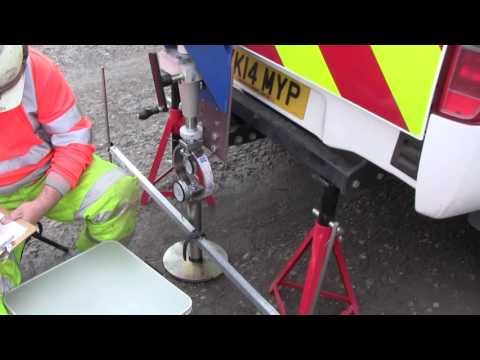
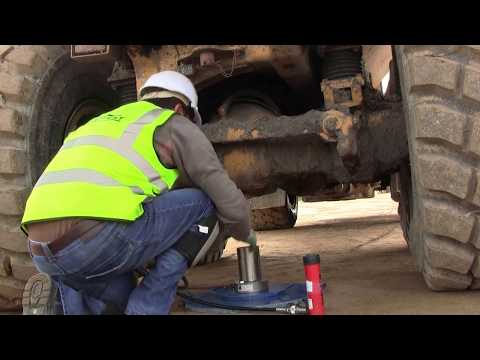
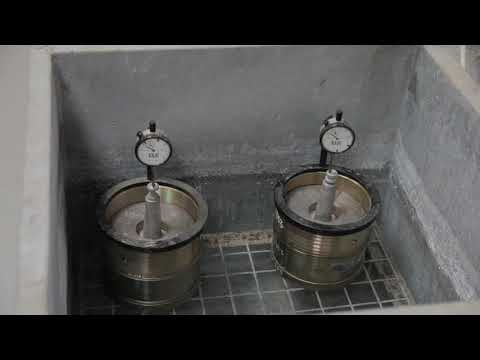
Understand your material
Arrange the selection, collection, handling and transport of representative test samples.
Site investigation & project support
Arrange the selection, collection, handling and transport of representative test samples.
Same-day & next-day testing dates available. Call to check availability for your location and test requirements.
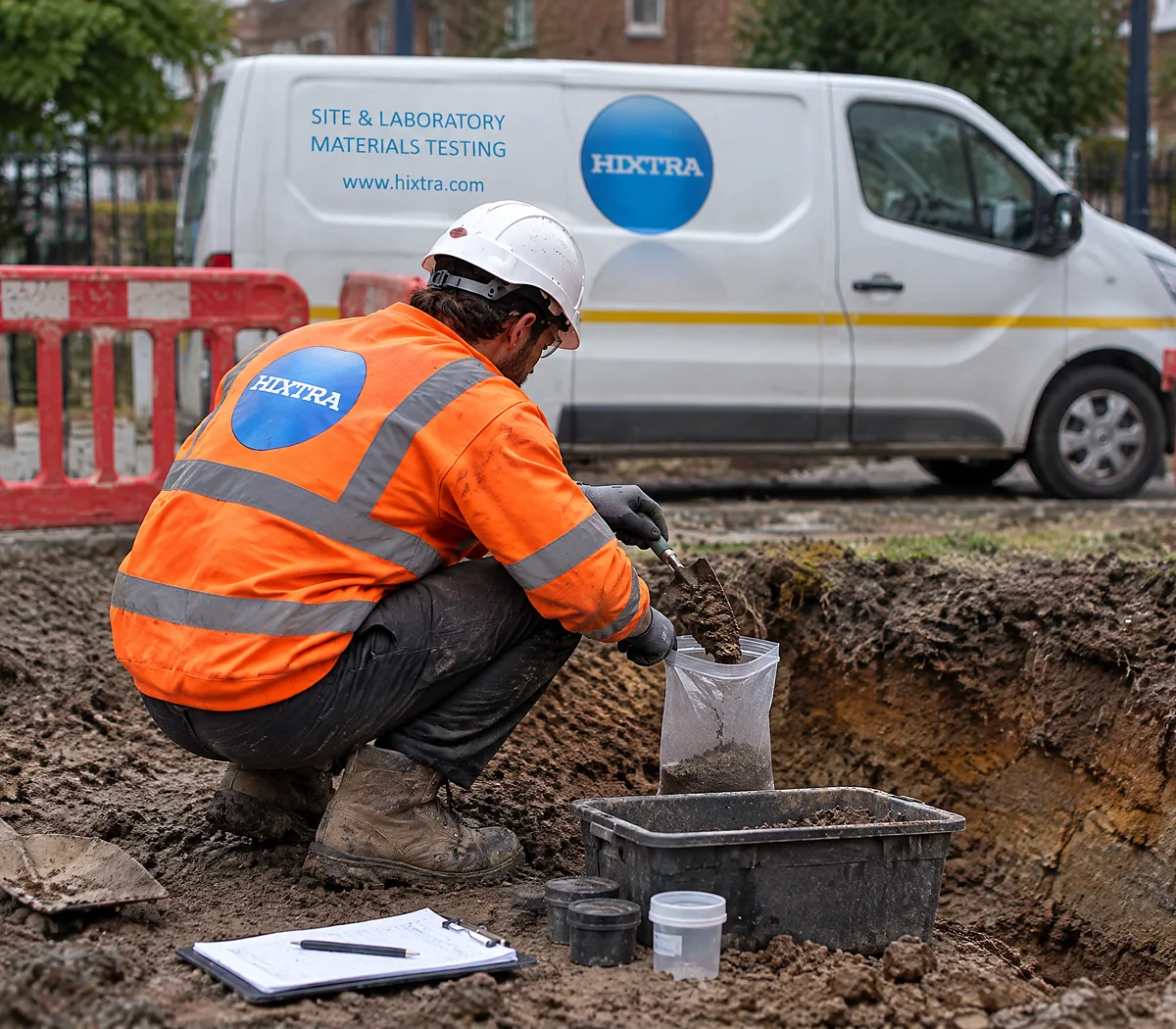
Practical testing. Experienced people. A service built around your project.
Quality, safety & professional standards
UKAS accreditation applies to the tests listed in our accredited schedule.
View our credentials ↗



Experienced people
Technical knowledge, with practical advice.
National coverage
Testing support wherever your project takes you.
A responsive service
Clear arrangements, from enquiry to reporting.
The right testing for your project
Practical advice, experienced testing staff and clear reporting. Arrange the selection, collection, handling and transport of representative test samples.
Speak to the team ↗Where this service helps
The right test helps answer a specific project question. We’ll agree the method and requirements with you before the work begins.
Arrange the selection, collection, handling and transport of representative test samples.
Agree the test method, sample condition and acceptance criteria before the work begins.
Use clear test records to support your project’s material and engineering assessment.
Reliable results begin with a suitable sample. The sampling method, container, preservation and transport conditions need to match the material and tests. Hixtra can arrange sampling on site and discuss the quantity needed before material is collected or sent to the laboratory.

A closer look
Reliable results begin with a suitable sample. The sampling method, container, preservation and transport conditions need to match the material and tests. Hixtra can arrange sampling on site and discuss the quantity needed before material is collected or sent to the laboratory.
UKAS accreditation applies to the particular methods listed in Hixtra’s current schedule, rather than every service. Ask us to confirm the accreditation status of the testing you require.
Hixtra in action
Working with Hixtra
From your first enquiry to your report, you’ll have practical advice on what to book, how to prepare and what happens next.
Share the site location, materials and testing specification. If you are unsure which test you need, we can help.
We agree the scope, access or sample requirements, availability and reporting arrangements before work starts.
Your results are reported for the agreed testing. Our team is on hand if you need to discuss the report.
Testing support across England & Wales
From individual site visits to ongoing testing programmes, we support construction, civil engineering and geotechnical projects across England and Wales.
Check availability for your site ↗Your questions
Practical answers on what this test is for, how to prepare and what you get back.
Ask us about your project →A representative sample holds the same proportions of coarse and fine material, in the same moisture condition, as the material it came from. That is achieved by combining several increments taken from different positions and depths rather than one scoop, then reducing the combined sample to laboratory size by riffling or quartering. Aggregate sampling is commonly carried out to BS EN 932-1, with reduction to BS EN 932-2. A poor sample cannot be corrected later in the laboratory.
By taking increments from several positions and depths once the disturbed surface material has been removed, and avoiding the toe of a stockpile where the coarse fraction collects. Stockpiles segregate as they are built, so a single sample off the surface usually reads finer or coarser than the material as a whole. Where it can be done safely, sampling the discharging stream or the conveyor gives a better sample, taking the full width each time.
From the face or the base at a stated depth within a single stratum, rather than from mixed arisings on the spoil heap. Each sample is recorded with its depth, position and a description of the material, because a result without a reliable depth is difficult to use. Where strength or density has to be measured on undisturbed material, a tube or block sample is needed instead of a bulk bag, and that has to be planned before the excavation is dug.
A composite sample is built up from increments taken at several different points during discharge, passing the scoop through the full width and depth of the moving stream. Sampling fresh concrete is usually carried out to BS EN 12350-1, and the sample is remixed before any test or cube is made from it. The sample is deliberately larger than the tests require, commonly by about half again, so nothing has to be repeated.
It depends on the test and on the largest particle size in the material, so the quantity is worth settling before anything is collected. A moisture content on a fine soil can need only a few hundred grams and classification tests a kilogram or two, while compaction work runs into tens of kilograms and reaches around 50 kg on coarse material. Send us the scheduled tests and we'll confirm the quantity and the container for each one.
Anything tested for moisture has to go straight into an airtight container, sealed as it is filled, because a sample that dries out in an open bag gives a moisture content describing the bag rather than the ground. Bulk samples normally go into rigid tubs or double-bagged heavy-duty sacks that survive handling. Undisturbed tube samples are sealed at both ends and kept upright, and lime or cement treated material needs sealing immediately because it carries on reacting.
A unique sample reference, the site, the position or chainage, the depth, the date taken and who took it, together with a short description of the material. Write it on the container itself as well as on any tag, in something that survives water and mud. Where the tests are already known, listing them on the label saves time at the laboratory. Missing or duplicated references are the most common reason a sample cannot be used.
Chain of custody is the documented record of who held a sample from the moment it was taken until it was tested, and it is what ties a result back to a specific position on a specific day. Without it a result still has a number, but nothing links that number to the ground it came from. It matters most when a result is challenged, when material is rejected or when testing supports a contractual decision.
Samples for moisture-sensitive tests need to reach the laboratory quickly, while samples for classification and grading are far less urgent. Moisture content, moisture condition value and anything on lime or cement treated material are the time-critical group: moisture is lost through packaging and treated material continues to react in the tub. Heat, frost and rough handling also do damage, so collection or delivery arrangements are agreed when the sampling is booked.
The report records the sample as supplied by the client and states that the results relate to the sample as received, because we cannot vouch for how or where material was taken when we were not there. Sampling is a separate activity from testing and can carry its own accreditation entry, so a client-taken sample changes what the report is able to say. The testing itself is unaffected, provided the quantity, container and condition suit the scheduled tests.
Sampling and testing are assessed separately, so one can sit within an accredited scope while the other does not. Hixtra holds UKAS accreditation to ISO/IEC 17025 for the tests listed in its schedule of accreditation, number 8996, and accreditation is specific to the listed methods and scope. Site and laboratory activities carry different entries. Ask us to confirm whether the sampling and the testing you need are covered before booking.
Send the site postcode, the material, how many samples are needed and where they are being taken from, the tests they are for and your preferred dates. Cost is driven by the number of positions and visits, travel, whether plant or an excavation is needed to reach the material, the containers required and how samples get to the laboratory. If a delivery is already booked and you need someone there, call 01908 505833.
In our customers’ words
Independent feedback from the people we work with.
“Punctual, friendly and professional.”Read the full review ↗
“Perfect service and explained everything step by step.”Read the full review ↗
“Excellent service! Incredibly professional. Thankyou”Read the full review ↗
Customers come back to Hixtra
Read independent feedback from customers who have used our testing services.
4.8 / 5 on Trustpilot
“Punctual, friendly and professional.”
Lee Chippington · September 2026
Read this customer’s review ↗Same-day and next-day testing dates available. Tell us what you need and where, or call to check availability.