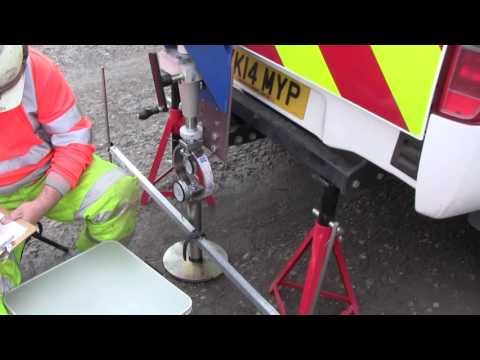
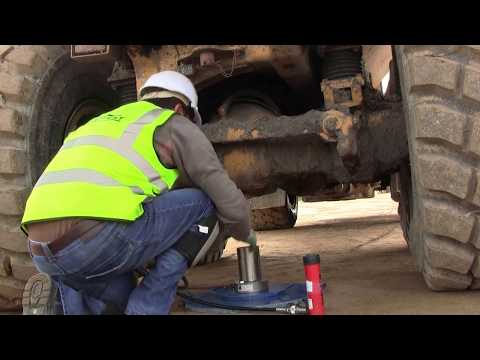
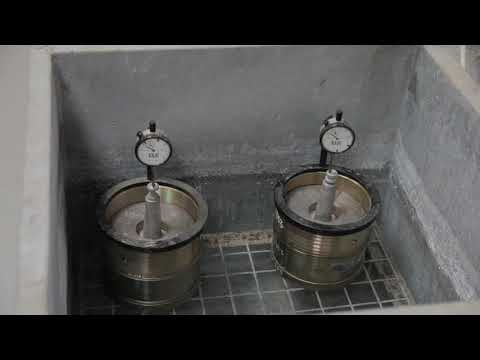
Understand your material
Coordinate testing of materials during construction or as part of an investigation.
Site investigation & project support
Coordinate testing of materials during construction or as part of an investigation.
Same-day & next-day testing dates available. Call to check availability for your location and test requirements.
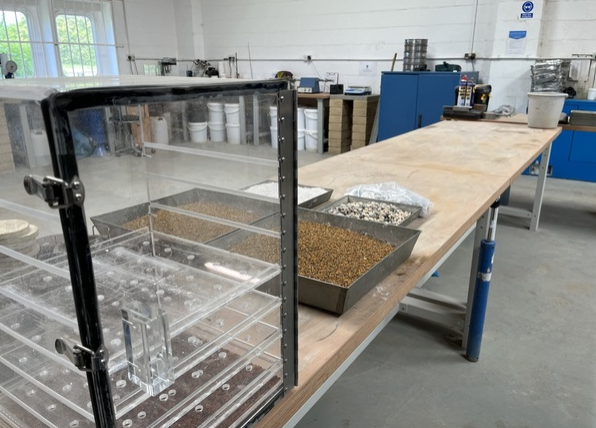
Practical testing. Experienced people. A service built around your project.
Quality, safety & professional standards
UKAS accreditation applies to the tests listed in our accredited schedule.
View our credentials ↗



Experienced people
Technical knowledge, with practical advice.
National coverage
Testing support wherever your project takes you.
A responsive service
Clear arrangements, from enquiry to reporting.
The right testing for your project
Practical advice, experienced testing staff and clear reporting. Coordinate testing of materials during construction or as part of an investigation.
Speak to the team ↗Where this service helps
The right test helps answer a specific project question. We’ll agree the method and requirements with you before the work begins.
Coordinate testing of materials during construction or as part of an investigation.
Agree the test method, sample condition and acceptance criteria before the work begins.
Use clear test records to support your project’s material and engineering assessment.
Hixtra brings together soil, aggregate, concrete and site testing to support project specifications. Whether you need one measurement or a programme of works, we can discuss the required tests, sampling, site visits and reporting arrangements.

A closer look
Hixtra brings together soil, aggregate, concrete and site testing to support project specifications. Whether you need one measurement or a programme of works, we can discuss the required tests, sampling, site visits and reporting arrangements.
UKAS accreditation applies to the particular methods listed in Hixtra’s current schedule, rather than every service. Ask us to confirm the accreditation status of the testing you require.
Hixtra in action
Working with Hixtra
From your first enquiry to your report, you’ll have practical advice on what to book, how to prepare and what happens next.
Share the site location, materials and testing specification. If you are unsure which test you need, we can help.
We agree the scope, access or sample requirements, availability and reporting arrangements before work starts.
Your results are reported for the agreed testing. Our team is on hand if you need to discuss the report.
Testing support across England & Wales
From individual site visits to ongoing testing programmes, we support construction, civil engineering and geotechnical projects across England and Wales.
Check availability for your site ↗Your questions
Practical answers on what this test is for, how to prepare and what you get back.
Ask us about your project →It's a planned sequence of tests carried out as the works proceed, so each material and each layer is checked before it is covered up or built on. In practice that means ground and formation testing before construction starts, compaction and material checks through the earthworks and subbase, and concrete testing at the pour. The methods, frequencies and acceptance criteria come from the project specification rather than from us.
The specification sets it, and the basis changes with the material. Earthworks and subbase testing is usually expressed per area or per volume of each layer placed, aggregate testing per tonnage or per delivery, and concrete testing per volume poured or per number of loads. Highway schemes normally take earthworks requirements from Series 600 of the Specification for Highway Works and subbase from Series 800. Where a specification is silent, the frequency is agreed with the engineer before work starts.
On most jobs the main contractor or their quality manager holds the schedule and calls tests off as the works reach each stage. The schedule itself usually originates with the designer or is written into the contract, and the engineer or clerk of works may witness testing or be copied into results. We work to whoever is named as our point of contact, and reports can be copied to the engineer, client or a shared project address by agreement.
Testing is planned against the construction sequence, so a test happens when the layer is ready rather than when the diary allows. That normally means agreeing the methods, frequencies and hold points once, then calling visits off against the weekly programme. The testing schedule usually sits inside the contractor's inspection and test plan, so results feed the quality records directly. A change of sequence on site then means moving a visit rather than rewriting the schedule.
Yes, and it is a common arrangement where a client wants their own check on material the contractor has already tested. The testing itself is the same; what changes is who instructs it, who receives the report and how the positions are chosen. Independent check testing is most useful when the positions are agreed in advance and are genuinely separate from the contractor's, otherwise the two sets of results are difficult to compare.
A report states the measured result and the method used, and will compare it against a specified limit where that limit has been given to us in writing. It does not decide whether the material is accepted: that judgement sits with the engineer, clerk of works or whoever carries the responsibility under the contract. If you want results reported against particular criteria, send the relevant clause or schedule with the instruction so the comparison is made against the right figure.
We tell you the result straight away rather than waiting for the report to be issued. What follows is set by the specification and the contractor's own procedures, commonly a check test nearby to establish whether the result is local or general, then reworking, drying back, further compaction or removal and replacement, followed by a retest. Some specifications also increase the testing frequency for a period after a failure.
Yes. Construction materials testing covers investigation of what is already there as well as control of what is being built, which is often how a defect, a settlement problem or a change of use gets looked at. That can mean coring existing concrete or surfacing, assessing the layers beneath with DCP or plate bearing testing, or sampling and testing made ground and old fill. The scope is normally agreed with whoever is writing the investigation report.
Most projects are covered by scheduled visits, with a technician attending for the day or half day a set of tests needs. Where testing becomes frequent enough that visits run into each other, a resident technician or a site laboratory usually works out better than repeated mobilisation. The deciding factors are how many tests a week the programme generates, how far the site is from a laboratory and how quickly results have to come back.
Each test is reported individually and we can also keep a running register against the schedule, so it is clear at any point what has been done and what is outstanding. Reports are normally issued as PDFs by email and geotechnical results can also be supplied in AGS data format. Agree the reference system at the outset, including how positions, layers and chainages are named, because retrofitting references across hundreds of tests is painful.
Not automatically, because accreditation is granted method by method rather than for a service or a project. Hixtra holds UKAS accreditation to ISO/IEC 17025 for the tests listed in its schedule of accreditation, number 8996. Accreditation is specific to the listed methods and scope, and site and laboratory activities can carry different entries. Ask us to confirm whether the tests you need are covered before the programme is set up.
Send the site postcode, the testing schedule or specification, the construction programme and the approximate number of tests by type, along with your preferred start date. Across a programme the cost is driven more by the number of visits than the number of tests, so travel, standby time, out-of-hours or weekend working and any reinstatement matter as much as the test count. Call 01908 505833 if the works are already under way.
In our customers’ words
Independent feedback from the people we work with.
“Punctual, friendly and professional.”Read the full review ↗
“Perfect service and explained everything step by step.”Read the full review ↗
“Excellent service! Incredibly professional. Thankyou”Read the full review ↗
Customers come back to Hixtra
Read independent feedback from customers who have used our testing services.
4.8 / 5 on Trustpilot
“Punctual, friendly and professional.”
Lee Chippington · September 2026
Read this customer’s review ↗Same-day and next-day testing dates available. Tell us what you need and where, or call to check availability.