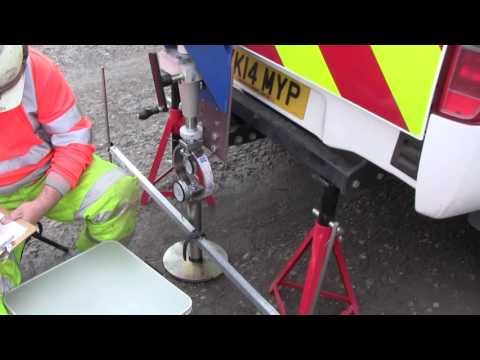
 Watch the film
CBR & plate bearing testing
Bristol
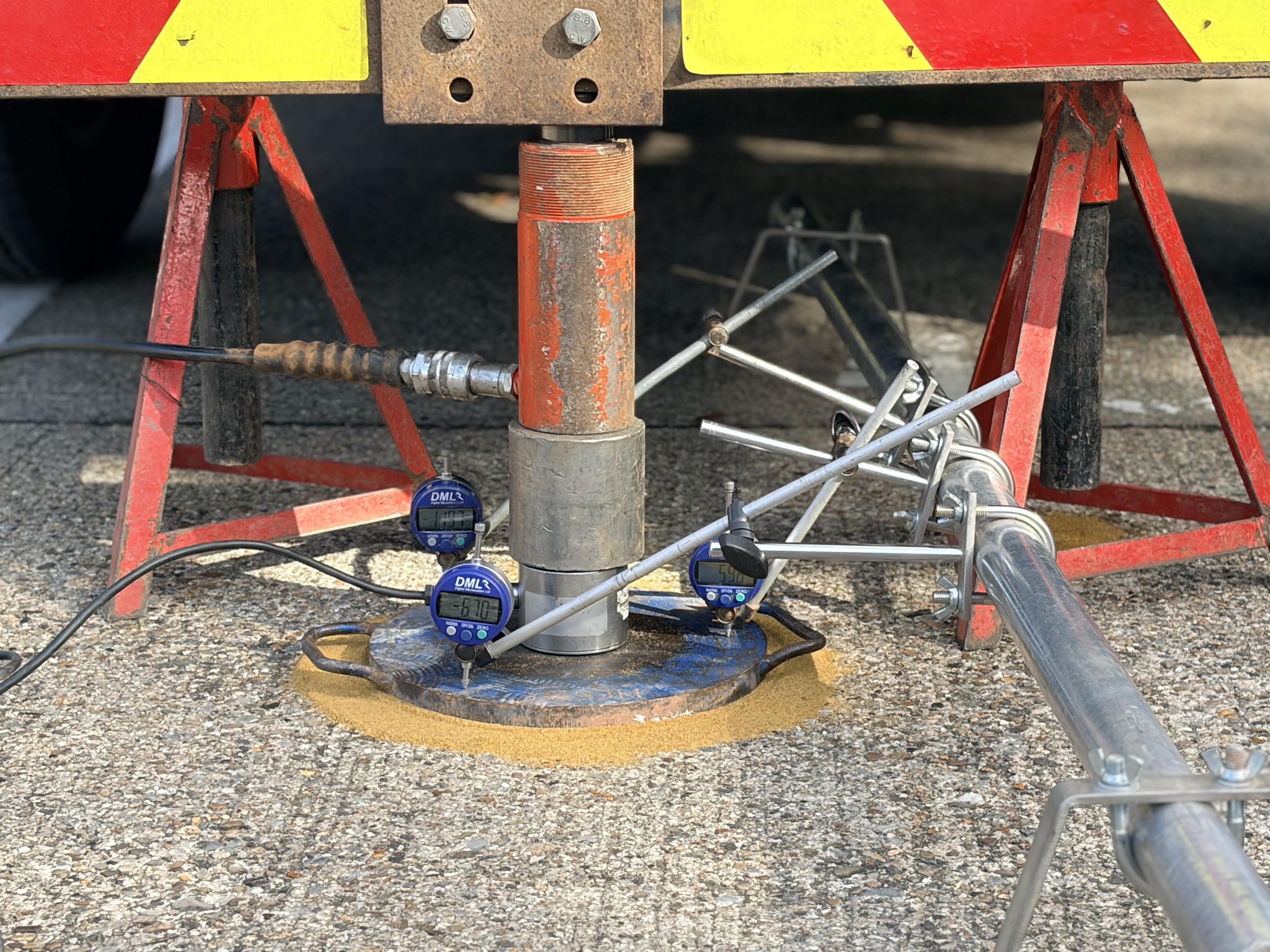
Plate bearing, CBR and LWD testing in Bristol, plus concrete cube, soil and aggregate testing at our laboratory. Call 0117 422 8206 to check dates.
On your site. On your side.
Same-day and next-day testing dates are often available. Call to check dates for your location and test requirements.
Quality, safety & professional standards
Expertise you can check.
UKAS accreditation applies to the tests listed in our accredited schedule.
View our credentials ↗

Experienced people
Technical knowledge, with practical advice.
National coverage
Testing support wherever your project takes you.
A responsive service
Clear arrangements, from enquiry to reporting.
Your regional contact
Local project details.
National testing expertise.
Same-day and next-day testing dates are available. Call your regional number to check dates for your location and test requirements. Site visits are coordinated centrally by Hixtra.
Areas served
Avonmouth, Portishead, Yate, Bath, Weston-super-Mare, Gloucester and Swindon
Send your site postcode so we can confirm travel, access and availability. Coverage does not imply a permanent office in each town.
Local projects
The work we are called out to do here.
In Bristol the work splits by ground. At Avonmouth and Severnside it is heavy: working platform testing for piling rigs and plate bearing on crane pads for the distribution sheds, energy and waste plants and port projects that line the estuary, all of it on soft alluvium where the platform has been designed to a stated bearing pressure and has to be proved before anything tracks on. In the city, around Temple Quarter, Bedminster and the harbourside, the calls are for tower crane bases, piling mats and hardstandings on tight brownfield plots over old fill. Around the northern fringe at Filton, Patchway, Emersons Green and Yate, and south at Hengrove and Keynsham, it is CBR testing on estate roads and formation for housing, with density and compaction testing on the earthworks that go with it.
Every team travels from the Hixtra laboratory in Milton Keynes, around two hours each way, so it pays to group every test position into one visit and to have the platform or formation trimmed and ready when we arrive. Same-day and next-day dates are often available, subject to the schedule. Fresh concrete testing, meaning slump, flow and cube making at the pour, is only offered within about an hour’s drive of the laboratory and is not available in Bristol. Cube testing, coring and the full range of soil and aggregate laboratory testing are available for any Bristol site, because the samples come to the laboratory. Call 0117 422 8206 with your site postcode for a quote.
Choose the right method
Ground testing that matches your specification.
Tell us the site conditions and what your specification requires. We can help you choose between direct CBR, plate bearing and other suitable ground-testing methods.
Plate bearing & derived CBR
Assess ground performance under a loaded plate for pavements, earthworks and working platforms. Where a derived CBR is required, the method and interpretation must be agreed against your project specification.
Plate bearing testing →In-situ CBR, LWD & DCP
Different methods answer different questions. Tell us the specified test, the material and the stage of construction. We can help arrange the appropriate testing package without treating these results as interchangeable.
Explore ground testing →Ground conditions
What the ground here tends to do.
Few cities pack as many different ground types into as small an area as Bristol, so the first question is always where exactly the site is. At Avonmouth and Severnside the ground is estuarine alluvium: soft clays and silts with peat bands, many metres thick, with the water table close to the surface. Bearing capacity is very low and a CBR on the natural ground is not worth having. Everything heavy stands on a designed granular platform, and the platform is what we test. A plate only stresses the top of it, so a pass at the surface says little about the soft ground below; a DCP profile through the platform and a check against BRE 470 belong alongside the plate result.
Across much of the lower ground north and south of the city the formation is Mercia Mudstone, which weathers to a red clay that tests well in a dry week and falls away once it is wet and trafficked. Around Keynsham, Whitchurch and north towards Filton the Lias brings alternating clay and thin limestone bands, so adjacent positions can sit on either and results jump to match. At Clifton, the Downs and along the Avon Gorge the Carboniferous Limestone is at or near the surface, often under a thin and uneven cover with clay-filled fissures, so rockhead varies over short distances.
East and south of the centre, through Kingswood, St George, Easton, Bedminster and Ashton Vale, the Coal Measures of the old Bristol coalfield bring shallow workings, shafts and spoil, with the strong Pennant Sandstone at Fishponds, Hanham and Frenchay giving far better ground between them. Around the Floating Harbour, Temple Quarter and St Philip’s Marsh the formation is made ground: dock, rail, gasworks and industrial fill over Avon alluvium. It is unpredictable, plate results scatter, and the answer is more positions where the loads will act, not an average across the site.
Regional coverage, one schedule
Local knowledge. National reach.
Every visit is planned and reported from the Hixtra laboratory in Milton Keynes, so you get the same people, the same methods and the same reporting wherever the site is.
Check availability for your site ↗Before your visit
A little preparation.
A smoother site visit.
Send the specification
Include required methods, test locations, material details and any acceptance criteria set by your engineer.
Confirm access and reaction load
For plate bearing testing, discuss the required reaction load, safe working area and site access before booking.
Agree dates and reporting
We will confirm availability, scope and expected reporting arrangements for the work you need.
Hixtra in action
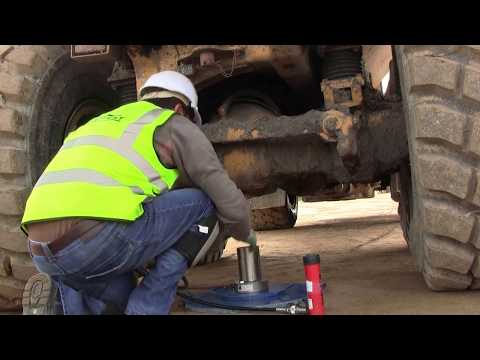
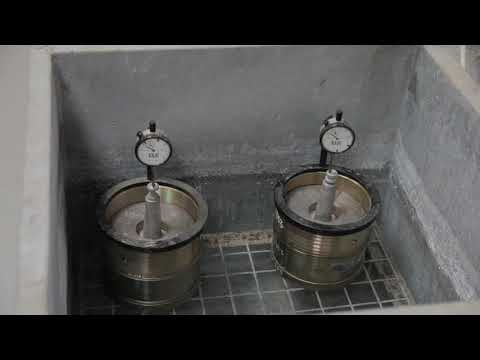
See the testing in practice.
Your questions
Your questions, answered.
Practical answers on ground conditions, choosing a test and arranging a visit in this region.
Ask us about your project →Do you cover Bristol and the surrounding towns?
Yes. We attend sites across the city, from Avonmouth, Severn Beach and Filton in the north to Bedminster, Hengrove and Whitchurch in the south, and east through Kingswood and Emersons Green to Yate. Beyond the city we cover Portishead, Clevedon and Weston-super-Mare, Bath and Keynsham, and up the M5 and along the M4 to Gloucester and Swindon. Sites further into Somerset, Devon and Cornwall are covered on our South West page, and sites across the Severn on our Wales page. Every visit is run from our laboratory in Milton Keynes, and if your site is in England or Wales we will attend. Send the site postcode and we will confirm a date and a price for that address.
Which tests can you carry out on a Bristol site?
The site work is plate bearing testing on working platforms, crane pads and hardstandings, in-situ CBR testing on road and yard formations, LWD testing across capping and sub-base, DCP profiling through platforms into soft ground, and density and compaction testing on earthworks. We take soil and aggregate samples while we are there and cut concrete cores where they are needed. The laboratory in Milton Keynes then runs soaked laboratory CBR, classification, compaction, chemical and aggregate tests, and concrete cube compressive strength testing on cubes cast on your site. Fresh concrete testing at the pour is the one service that does not reach Bristol. Everything we offer is listed on the testing services page.
How quickly can you attend a site in Bristol?
Same-day and next-day dates are often available, subject to the schedule, but Bristol is around two hours from the laboratory, so a next-day date is the more realistic of the two and we do not guarantee an attendance time. The M4 and M5 put Avonmouth, Filton and Emersons Green within easy reach of the motorway, which helps; a city centre plot with restricted delivery hours takes more planning. Bath, Yate and Portishead are a similar run, and Weston-super-Mare a little more. Group your positions into one visit and book with a firm ready date so the trip is not wasted. If a rig or crane is standing, tell us when you ring and we will see what can be moved.
What is the ground like in Bristol and what should I expect from it?
It changes quickly. Avonmouth and Severnside are soft estuarine clay, silt and peat with a high water table, where natural CBR values are too low to use and everything is built on a designed platform. The lower ground north and south of the city is mostly Mercia Mudstone, a red clay that is sound when dry and weak once wet. Keynsham, Whitchurch and the Filton side have Lias clay with limestone bands. Clifton and the Downs are Carboniferous Limestone close to the surface. Kingswood, Easton and Bedminster are old coalfield, with Pennant Sandstone giving firm ground at Fishponds and Hanham. The harbourside and Temple Quarter are made ground. Expect very low values on the estuary, seasonal swings on the mudstone and scatter on the fill.
Do you test piling platforms at Avonmouth and Severnside?
Yes, and it is the most common reason we are called to that side of the city. On the estuarine alluvium the natural ground cannot carry a rig, so the platform is designed, with a stated thickness of granular fill, often over a geogrid or geotextile, and a target bearing pressure from the rig loadings. We run plate bearing tests on the finished platform at the positions the rig will track and stand on, load to the design pressure, record settlement and report against the approach in BRE 470. Because the soft ground is deep and the water table is high, a platform that passed in a dry spell can soften after prolonged rain or heavy trafficking, so re-testing is often sensible. Send the platform design and the rig loadings before the visit.
If the plate test passes, is the platform safe over the soft ground beneath?
Not on that evidence alone. A plate bearing test stresses the ground to a depth of roughly one and a half to two plate diameters, so on a thick platform it may never load the alluvium underneath. A rig track or an outrigger mat is far bigger than the plate and pushes stress much deeper, into the soft clay or peat. That is why platforms on the Avonmouth and Severnside levels are designed from the ground investigation and not from a surface test, and why the plate result is a check on the platform material and its compaction, not on the whole ground profile. We say this plainly in the report. A DCP profile through the platform into the natural ground, alongside the plate, shows how thick the platform really is and how soft the ground below it is.
Does a bearing test tell me anything about old coal workings in east and south Bristol?
No. Kingswood, St George, Easton, Bedminster and Ashton Vale sit on the old Bristol coalfield, with shallow workings, shafts and spoil, and much of that ground falls inside the Coal Authority development high risk area. A plate or CBR test describes the surface platform or formation and nothing deeper, so it cannot find a working or a poorly capped shaft. That is a question for the mining report and the ground investigation, and it should be answered before the bearing results are relied on. Where spoil or colliery fill forms the formation itself, expect results to scatter, ask for more positions rather than fewer, and put a DCP beside any reading that looks out of line.
Plate bearing, CBR, LWD or DCP: which should I ask for on Bristol ground?
Follow the specification first. On the estuary, plate bearing on the finished platform is the test that matters, with DCP alongside to profile what is beneath; a CBR on the natural alluvium tells you only that it is very low. On Mercia Mudstone and Lias clay formations for estate roads and yards, in situ CBR at formation is the normal check, with a soaked laboratory CBR where the design needs the wet case. LWD suits compacted capping and sub-base over a large slab where you want many quick readings to show the layer is uniform, though most designers will not accept it in place of a plate test. On limestone at shallow depth a CBR is rarely needed at all. On made ground, use a plate where the load is concentrated and DCP to map the variation.
Which standard is plate bearing testing usually carried out to?
Plate bearing tests are usually carried out to the plate loading method described in BS 1377-9, with the plate size, load increments and maximum applied pressure set by your specification. Tell us what the result has to demonstrate and we will confirm the method before booking.
Can you do fresh concrete testing, slump and cube making, in Bristol?
No. Slump, flow and cube making are carried out by our own technicians at the pour, and we only offer that within about an hour’s drive of the laboratory in Milton Keynes. Bristol, Bath, Weston-super-Mare and Gloucester are all well outside that distance, and there is no margin to check here. What we can do is test the hardened concrete: cubes made by your own team or your readymix supplier can be sent to the laboratory, and we core slabs and structures anywhere in England and Wales.
Do you test concrete cubes and take cores from Bristol sites?
Yes. Cubes cast on site by your team or your supplier can be couriered to the laboratory in Milton Keynes, or collected while we are attending for other testing if you tell us when you book. Keep them in their moulds, covered and out of the sun and frost for the first day, then in water until they travel, because poor early curing is the commonest cause of a disputed result. At the laboratory they go into a controlled curing tank and are crushed at the ages your specification requires, usually 7 and 28 days. Coring is a site visit, for slabs, hardstandings and structures where cube results are missing or in dispute or where an existing floor needs assessing. Ask about the accreditation status of the specific concrete test you need, because not every concrete method is yet on our UKAS schedule.
Can you test a crane pad or tower crane base on a tight city site?
Yes. In the centre, around Temple Quarter, Redcliffe, Bedminster and the harbourside, the ground is usually old fill over Avon alluvium and the plots are small, so access decides the day. The plate bearing reaction machine, usually a tracked excavator, needs a route to each position and room to stand over it; tell us about gate widths, basement edges, propping and delivery hour restrictions, and whether the site sits inside the Clean Air Zone, and we plan around them. We test at the outrigger or base positions where the loads will actually act, to the bearing pressure in the lift plan, and report settlement against it. On fill, one plate can land on an old footing and the next on soft backfill, and both are real, so allow enough positions to see the spread.
Is Hixtra UKAS accredited?
Hixtra holds UKAS accreditation to ISO/IEC 17025 under schedule number 8996. Accreditation is granted method by method, not to the company as a whole, so it applies only to the tests listed on our current schedule. Most of our soil and aggregate tests are on it. Some concrete tests are still going through the accreditation process. If your specification or your client’s engineer needs an accredited result for a particular test, name that test when you enquire and we will confirm whether the method is on the schedule and whether the report will carry the UKAS mark, before you book.
What do you need from me before the visit, and how are results reported?
The site postcode and gate location, which fix the quote and the route. The tests required and the specification or design they relate to: plate size, target bearing pressure or settlement limit, target CBR, and the rig or crane loadings for a platform or pad. The number of positions on a marked plan, the surface we will be on, access for the reaction machine, and any induction, RAMS or PPE requirements; port and energy sites at Avonmouth usually have their own induction, so allow time for it. If the site has been standing wet, say so. Site results are normally reported the same day as a PDF by email, showing the method, positions, raw readings and derived values. Laboratory results follow when the test is complete.
Do you have an office in Bristol?
No. Hixtra has one laboratory, in Milton Keynes, and every Bristol visit is run from there. We do not keep a depot, vehicles or locally based staff in Bristol, Bath or anywhere else in the area. The 0117 number on this page rings through to the same team as our other numbers. Coverage means we come to you, not that we are based locally. It is a two hour run, so we plan it: grouping plate tests, CBRs and any sampling into one visit is far better value than separate trips, and we try to combine Bristol work with other visits along the M4 and M5. Every quote is priced from the site postcode.