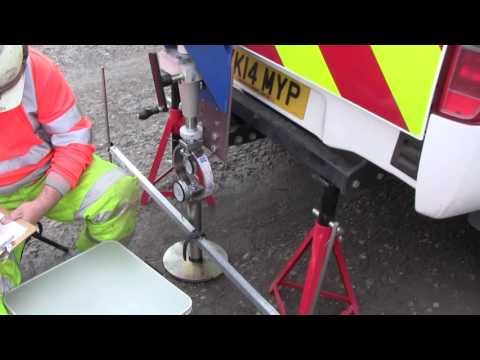
 Watch the film
CBR & plate bearing testing
South West
CBR and plate bearing testing in the South West, from Bristol and Taunton to Exeter, Plymouth and Cornwall. Same-day and next-day dates often available.
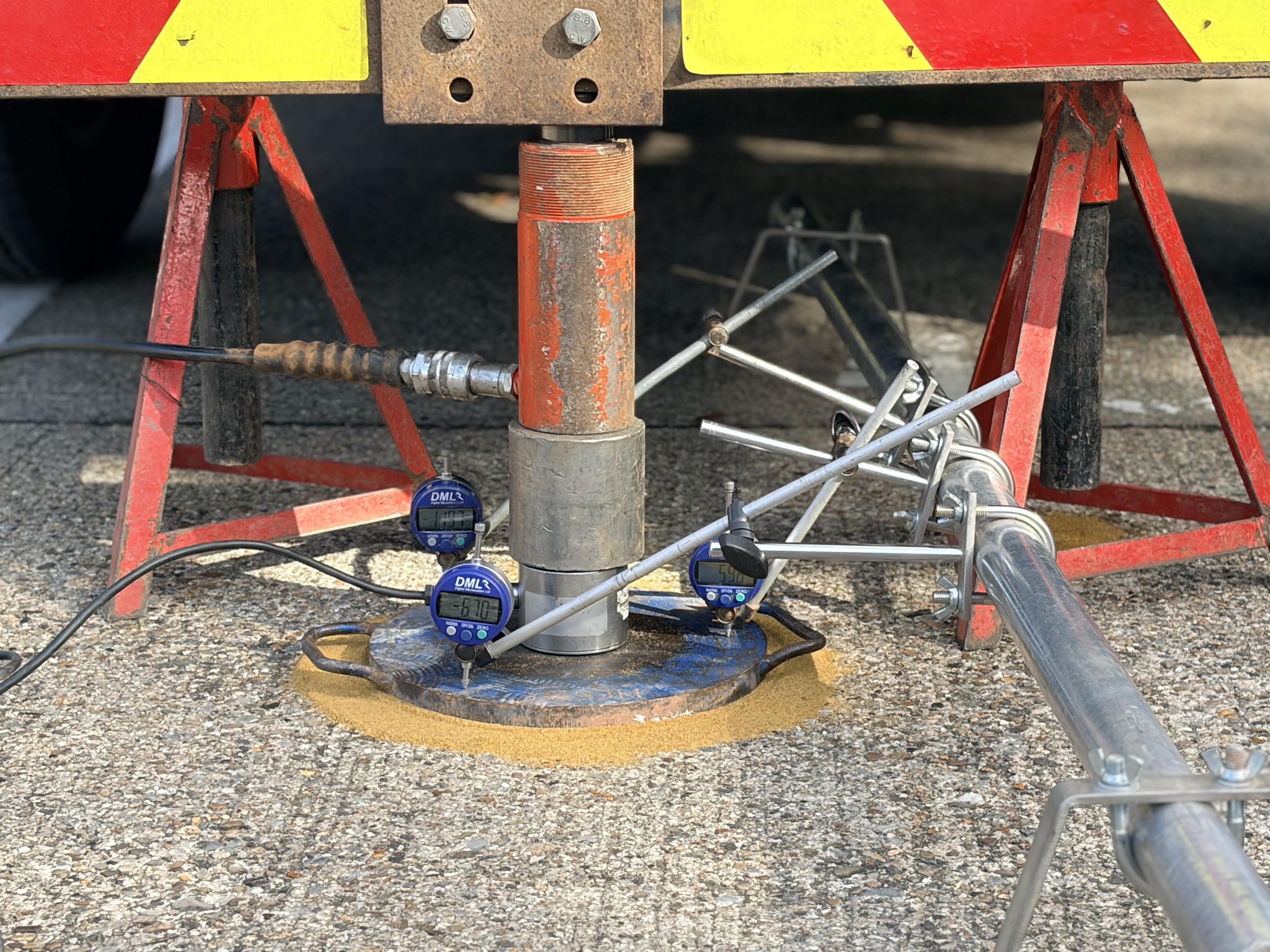
On your site. On your side.
Same-day and next-day testing dates are often available. Call to check dates for your location and test requirements.
Quality, safety & professional standards
Expertise you can check.
UKAS accreditation applies to the tests listed in our accredited schedule.
View our credentials ↗


Experienced people
Technical knowledge, with practical advice.
National coverage
Testing support wherever your project takes you.
A responsive service
Clear arrangements, from enquiry to reporting.
Your regional contact
Local project details.
National testing expertise.
Same-day and next-day testing dates are available. Call your regional number to check dates for your location and test requirements. Site visits are coordinated centrally by Hixtra.
Areas served
Bristol, St Ives, Falmouth, Exeter, Plymouth, Taunton and Weston-super-Mare
Send your site postcode so we can confirm travel, access and availability. Coverage does not imply a permanent office in each town.
Local projects
The work we are called out to do here.
Most South West calls are about roads and hardstandings. CBR testing for rural, estate and highway roads across Somerset, Devon and Cornwall. Plate bearing tests on farm, industrial and storage hardstanding, usually to settle whether an existing yard will carry heavier plant. On the Somerset Levels and the Severn estuary levels near Weston-super-Mare we test working platforms for piling rigs. Crane pads for wind, solar and grid work take us onto exposed sites across the peninsula, and holiday park, logistics and housing schemes bring steady work through the year.
Every visit is made from our laboratory in Milton Keynes. Bristol and Taunton are a straightforward run. Exeter, Plymouth, Falmouth and St Ives are not, and travel is a real part of the cost, so group every test position into one visit and tell us about narrow lanes before we set off. Same-day and next-day dates are often available, subject to the schedule; the far west needs a little notice.
Fresh concrete testing, meaning slump, flow and cube making, is only offered within about an hour of Milton Keynes, so it is not available in the South West. Hardened concrete work, cube testing and coring, is available across England and Wales, including here. Ring 0117 422 8206, the number for this region, or send your site postcode for a quote.
Choose the right method
Ground testing that matches your specification.
Tell us the site conditions and what your specification requires. We can help you choose between direct CBR, plate bearing and other suitable ground-testing methods.
Plate bearing & derived CBR
Assess ground performance under a loaded plate for pavements, earthworks and working platforms. Where a derived CBR is required, the method and interpretation must be agreed against your project specification.
Plate bearing testing →In-situ CBR, LWD & DCP
Different methods answer different questions. Tell us the specified test, the material and the stage of construction. We can help arrange the appropriate testing package without treating these results as interchangeable.
Explore ground testing →Ground conditions
What the ground here tends to do.
Around Bristol the ground is Carboniferous Limestone, the Coal Measures of the Bristol and Somerset coalfield and Mercia Mudstone on the lower ground. The mudstone weathers to a clay that tests well dry and falls away once wet and trafficked. The Somerset Levels and the Severn levels near Weston-super-Mare are different: soft estuarine alluvium and peat with a high water table, very low bearing and CBR values too low to trust. A plate only stresses the top few hundred millimetres, so a good result on a thin granular layer says little about what a piling rig will do to the peat beneath. On the levels we add a DCP profile through the platform into the soft ground and check against BRE 470.
Mid Devon is Culm Measures ground. The shales, mudstones and thin sandstones weather to a silty clay that drains badly and is highly sensitive to moisture and trafficking. A CBR on an intact formation in a dry week can be several times the value after rain and a few dumper passes, so test it in the condition it will be built on. Further west the Devonian slates and shales, the killas, give firmer, more consistent results. The granite of Dartmoor, Bodmin Moor, Carnmenellis and West Penwith often carries a deeply weathered growan mantle rather than sound rock at shallow depth, so do not assume rock strength. Head deposits on slopes are loose and variable, and old tin, copper and china clay workings leave spoil that changes character within a few metres. There, scatter is information. Ask for more positions rather than fewer, a plate where the load is concentrated, and CBR or DCP to map the variation.
Regional coverage, one schedule
Local knowledge. National reach.
Every visit is planned and reported from the Hixtra laboratory in Milton Keynes, so you get the same people, the same methods and the same reporting wherever the site is.
Check availability for your site ↗Before your visit
A little preparation.
A smoother site visit.
Send the specification
Include required methods, test locations, material details and any acceptance criteria set by your engineer.
Confirm access and reaction load
For plate bearing testing, discuss the required reaction load, safe working area and site access before booking.
Agree dates and reporting
We will confirm availability, scope and expected reporting arrangements for the work you need.
Hixtra in action
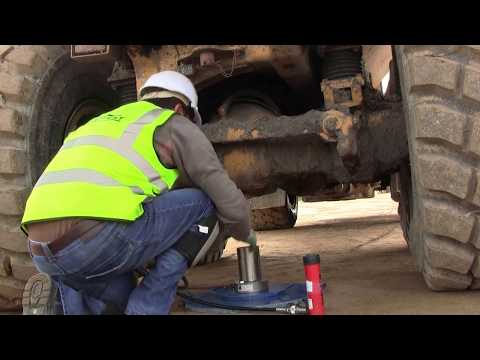
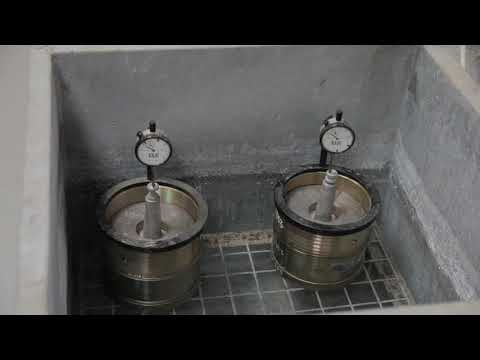
See the testing in practice.
Your questions
Your questions, answered.
Practical answers on ground conditions, choosing a test and arranging a visit in this region.
Ask us about your project →Which parts of the South West do you cover?
We attend sites across the whole of the South West, from Bristol and Weston-super-Mare down through Taunton, Exeter and Plymouth to Falmouth and St Ives. That includes the Somerset Levels, Dartmoor and Bodmin Moor, and the far west of Cornwall. Coverage is by travel from our laboratory in Milton Keynes, not from a base in the region, so the further west you are the more the visit costs and the more notice helps. Send us your site postcode and we will quote for the travel and the testing together. Anywhere in England and Wales is within reach; we do not attend sites in Scotland or Northern Ireland.
How quickly can you attend a site in Cornwall or west Devon?
Same-day and next-day dates are often available, subject to the schedule, and for Bristol, Weston-super-Mare and Taunton that is usually realistic. For Exeter, Plymouth and the far west of Cornwall the drive from Milton Keynes takes most of the morning, so we normally plan those visits a few days ahead and group every test position you have into one day. If you have a piling rig or crane arriving on a fixed date, tell us as early as you can and we will hold a slot. We will always give you a straight answer on what the diary can do rather than promise a time we cannot keep.
What is the ground like in the South West and what should I expect from it?
It depends where you are, and the difference is large. Near Bristol you get Mercia Mudstone and Coal Measures clays that test sensibly when dry. On the Somerset Levels you get soft alluvium and peat with a high water table, very low bearing and CBR values that can barely register. In mid Devon the Culm Measures weather to a silty clay that drains badly and loses strength quickly when wet or trafficked. Further west, killas gives firmer results, weathered granite (growan) is variable, head deposits on slopes are loose, and old mine spoil is unpredictable. Expect scatter, and expect a wet week to change the answer.
Plate bearing, CBR, LWD or DCP: which should I ask for on this ground?
Ask for what your specification calls for first. Beyond that, a plate bearing test suits hardstanding on firmer ground such as killas, weathered mudstone or a granular capping. In situ CBR is the usual test for road formations on Culm and other clays. On the levels a plate alone can mislead, because it only loads the top few hundred millimetres and the soft material is below that, so a DCP profile through the platform into the alluvium tells you far more. LWD is quick for checking uniformity across a large area, which is useful on head deposits or mining spoil where the ground changes between positions. If you are unsure, describe the ground and we will suggest a combination.
Can you do slump tests and make cubes on my site in Devon or Cornwall?
No. Fresh concrete testing, meaning slump, flow and cube making on site, is only available within about an hour’s drive of our laboratory in Milton Keynes. The South West is well outside that radius, so we do not offer it in Bristol, Exeter, Plymouth or Cornwall. We say this plainly because a cube made late or cured badly on a long journey is worse than no cube at all. If you need fresh concrete testing on a South West site, use a laboratory that can reach you within the hour. Hardened concrete work is a different matter, and we do cover the South West for that.
Do you test hardened concrete cubes and cores from the South West?
Yes. Hardened concrete testing, meaning cube crushing and core testing, is available across England and Wales, which includes the whole of the South West. Cubes you have made and cured on site can be sent or brought to Milton Keynes for compressive strength testing, and we can attend to core existing concrete slabs, hardstandings and structures anywhere in the region before testing the cores in the laboratory. Please check the accreditation status of the specific concrete test you need, because Hixtra is still obtaining UKAS accreditation for some concrete methods. Tell us the age, the specification and the quantity and we will confirm what we can do and when.
Can you test a piling working platform on the Somerset Levels?
Yes, and it is one of the jobs we are called out for most on the levels. The difficulty is the peat and soft alluvium under the platform. A plate bearing test on the granular layer can look acceptable while the rig is actually at risk from the ground below. We test the platform itself with plate bearing tests at the positions the designer asks for, and we would normally add DCP profiles to confirm what the platform is sitting on. Give us the platform design and the rig loading so the tests match what has been assumed, and we will report against the requirements of BRE 470 where that is what the design uses.
Do you test crane pads for wind, solar and grid projects in the South West?
Yes. Crane hardstanding on wind, solar and grid connection sites across Devon, Cornwall and Somerset is regular work. These sites are often on exposed moorland edges or farmland where the ground is head deposit, weathered granite or Culm clay, none of which is uniform. We carry out plate bearing tests on the pad and the outrigger positions to the bearing pressure your lift plan or crane supplier specifies, and we can add CBR or DCP to check what lies under the stone. Send us the crane details, the outrigger loads and the pad layout, plus the postcode, and note any narrow lanes so we can confirm access for the reaction machine.
Is Hixtra UKAS accredited?
Hixtra holds UKAS accreditation to ISO/IEC 17025 under schedule number 8996. Accreditation is granted method by method, not to the company as a whole, so it applies only to the tests listed on our current schedule. Most of our soil and aggregate tests are accredited. We are still in the process of obtaining accreditation for some concrete tests. If your specification for a South West project calls for an accredited result, tell us which test and which standard, and we will confirm whether that method is currently on our schedule before you book. Please do not assume a test is covered; ask and we will show you.
What do you need from me before the visit?
The site postcode and a what3words or grid reference for rural sites, because a Cornish or Devon postcode can cover a lot of lanes. The specification or the target values you need to meet, the number and location of test positions, and any drawings. For plate bearing we need to know that the reaction machine can reach each position, so tell us about narrow lanes, gateways, soft tracks and weight limits. Tell us who to meet, what inductions are required and when the ground will be at formation. If it has rained heavily on Culm ground that week, say so; we may suggest a different date.
How are results reported?
Field results are usually available on the day. We normally issue the report the same day or the next working day, though that is what we typically do rather than a promise. The report gives the test method, the positions, the raw readings and the calculated values, whether that is a CBR, a bearing pressure and settlement plot or a DCP profile, and notes the ground conditions we saw. Where a test is on our UKAS schedule and you have asked for an accredited report, it is issued as such. If the result is below what you needed, we will say so clearly so you can act on it before the next trade arrives.
Do you have an office in Bristol, Exeter or Plymouth?
No. Hixtra does not have an office, depot, staff or vehicles based in Bristol, Exeter, Plymouth or anywhere else in the South West. All site work is carried out by engineers travelling from our laboratory in Milton Keynes, and all laboratory testing is done there. We say this openly because it affects cost and lead time in Cornwall and west Devon more than anywhere else we cover, and you should factor it in when comparing quotes. What it does not affect is who turns up. The same engineers and the same calibrated equipment attend every region, and the report comes from the same laboratory.
How do travel, weather and scheduling work for a South West visit?
Travel is priced into the quote, which is why grouping test positions matters more here than in most regions. One visit covering the crane pad, the access road and the yard costs far less than three visits a fortnight apart. Weather matters too. Culm clay in mid Devon and the alluvium on the levels can be untestable in a wet week, and a CBR taken then may not represent the formation you build on. If the forecast is bad we will talk to you about moving the date rather than turning up to test mud. Same-day and next-day dates are often available, subject to the schedule, but the far west usually needs a little more notice.