In-situ CBR
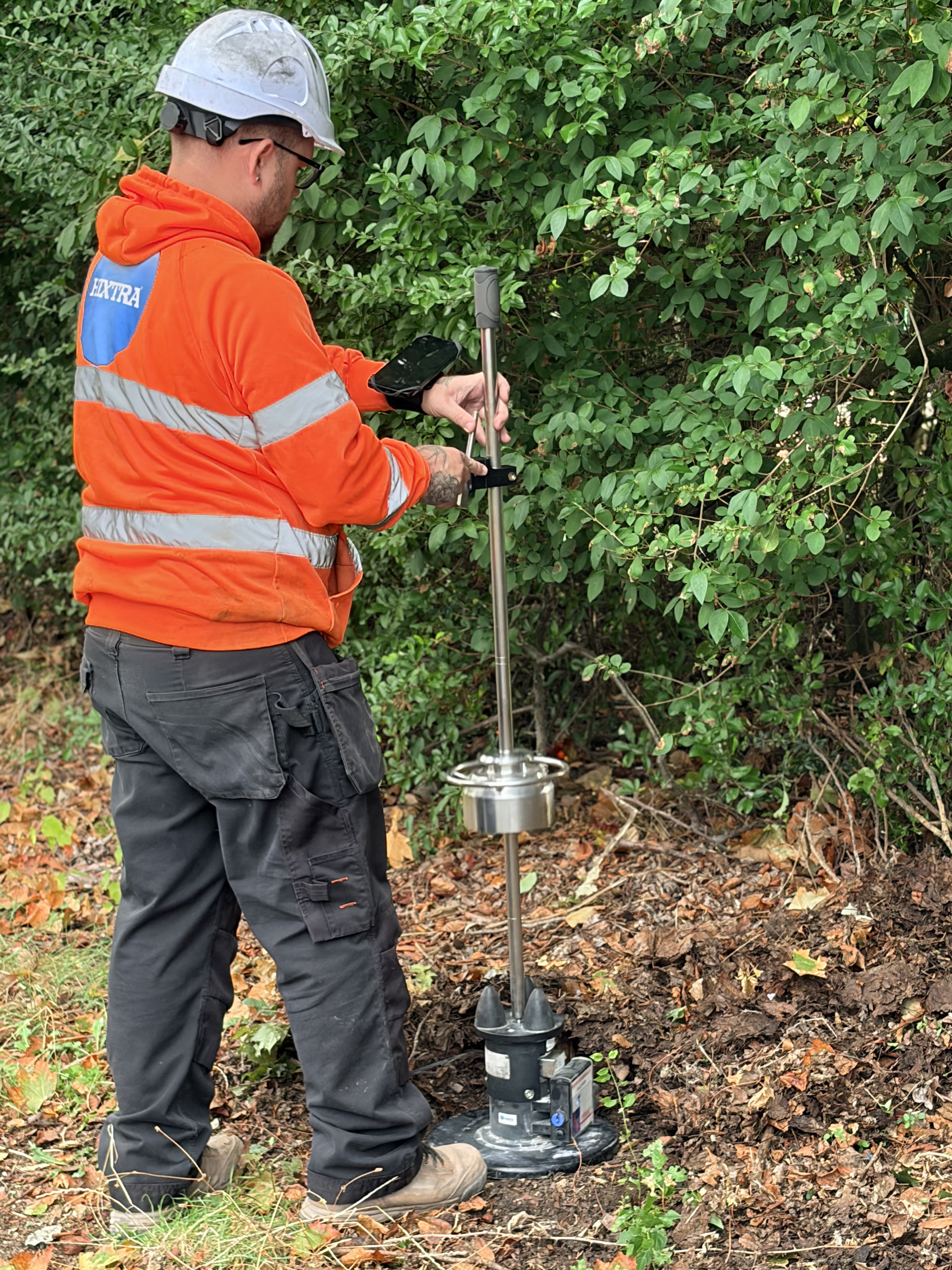
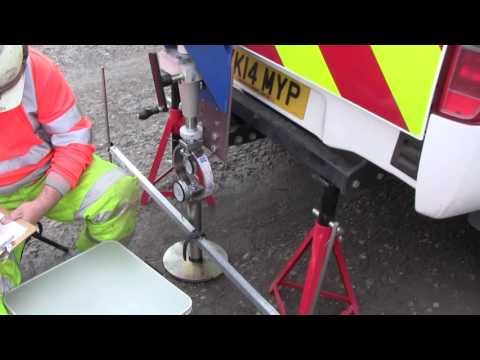
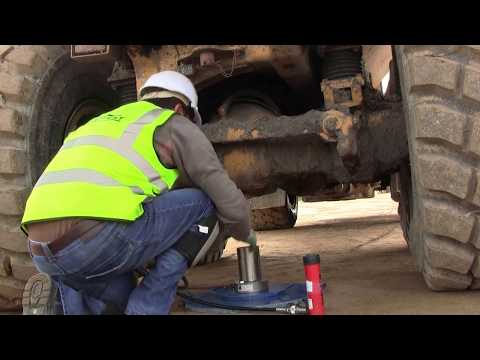
The plunger test at formation level, from our vehicle. It is the usual check on trimmed Mercia Mudstone and Lias clay. On limestone at shallow depth, or on the soft estuary clay, it tells you little. Explore in-situ CBR testing →
Hixtra · CBR testing in Bristol
In-situ and laboratory CBR testing for Bristol sites, from estate roads at Filton, Emersons Green and Hengrove to yards and access roads at Avonmouth. We match the method to your specification and to a city where the ground changes every mile.
Talk to Hixtra →0117 422 8206Same-day and next-day dates are often available for Bristol, with site results normally reported the same day. Call to check availability.
Quality, safety & professional standards
UKAS accreditation applies to the tests listed in our accredited schedule. Ask us for the current scope before you book.
Understand our accreditation →


Every ground type going
Estuary clay, red mudstone, Lias, limestone and coalfield fill. We help you pick a test that suits each.
One visit, every position
Bristol is about two hours from our laboratory, so we plan the day to cover all your positions in one trip.
Reported the same day
Site CBR results are normally sent the same day as a PDF for your engineer.
CBR testing in Bristol
CBR testing in Bristol is mostly for estate roads on the housing sites around the northern fringe and south of the city, and for access roads and yards on the distribution and energy sites at Avonmouth and Severnside. A CBR value in a report can come from three different tests, and on Bristol ground the choice matters.
The plunger test at formation level, from our vehicle. It is the usual check on trimmed Mercia Mudstone and Lias clay. On limestone at shallow depth, or on the soft estuary clay, it tells you little. Explore in-situ CBR testing →
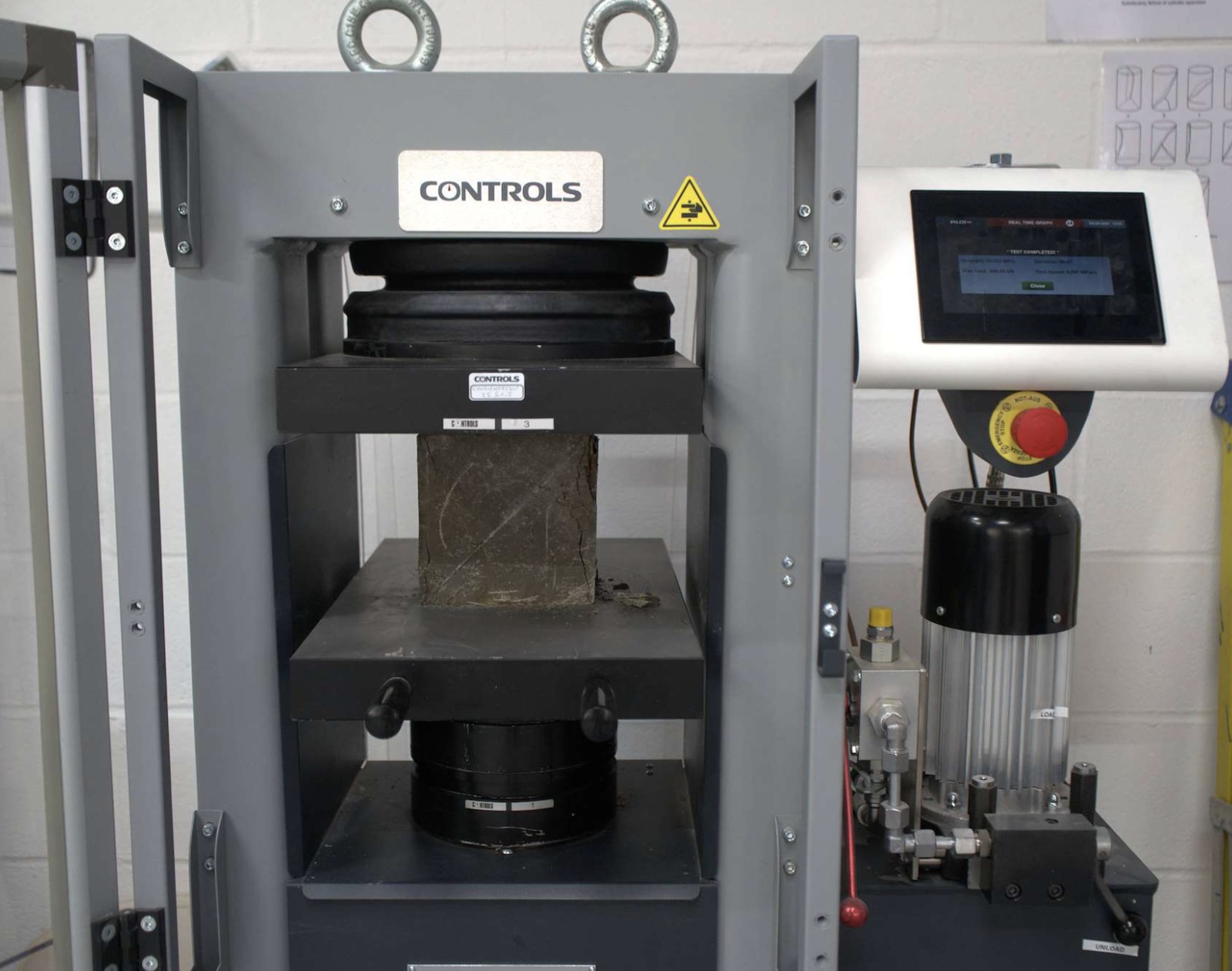
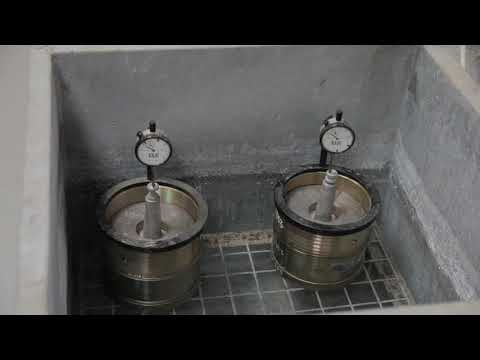
A bulk sample is remoulded at the laboratory and tested, soaked where the design needs the wet case. On the red mudstone and the Lias clays, that soaked value is usually what the designer adopts. Explore laboratory CBR testing →
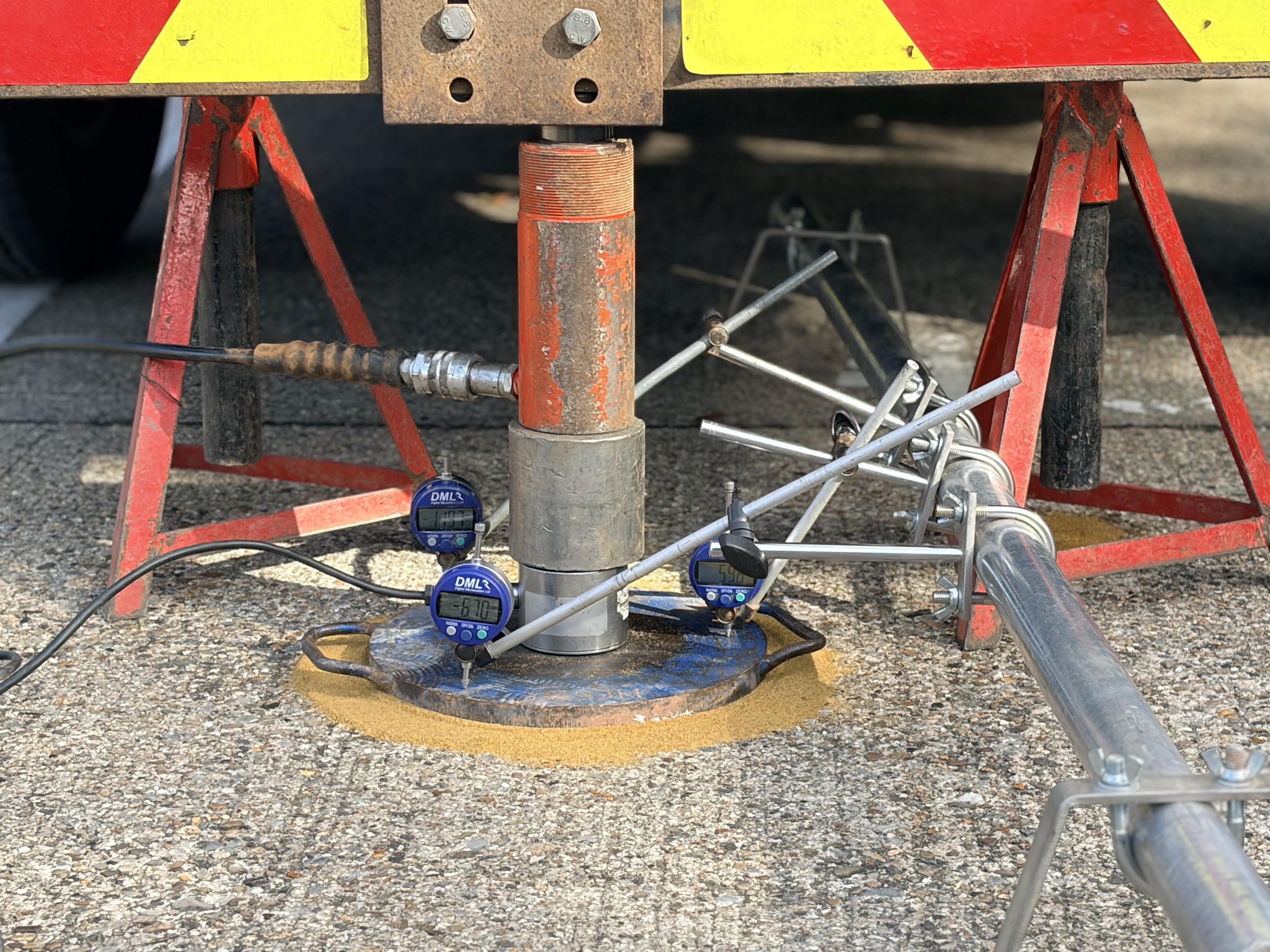
On the granular platforms and capping that everything at Avonmouth is built on, the plunger cannot be used. A plate bearing test loads a larger area, and a derived CBR is reported where the specification allows. Explore plate bearing testing →
LWD testing and DCP testing are worth having alongside CBR in Bristol, particularly on the estuary. At Avonmouth and Severnside the natural ground is soft estuarine clay, silt and peat with the water table near the surface, and a CBR on it tells you only that it is very low. Roads and yards there are built on a designed granular layer, and that layer is what gets tested. Across the lower ground north and south of the city the formation is Mercia Mudstone, a red clay that tests well in a dry week and falls away once it is wet and trafficked. Around Keynsham, Whitchurch and the Filton side, Lias clay with thin limestone bands gives results that jump between adjacent positions. At Clifton and the Downs the limestone is close to the surface. In Kingswood, Easton and Bedminster the old coalfield leaves spoil and fill, and around the harbourside the formation is made ground, where one value says little about the next.
Questions people ask
Practical answers for planning and booking CBR testing in Bristol.
Ask us about your project →Same-day and next-day dates are often available, subject to the schedule, but Bristol is around two hours from our laboratory in Milton Keynes, so next-day is the more realistic of the two. The M4 and M5 make Avonmouth, Filton and Emersons Green easy to reach. We do not guarantee an attendance time. Ring 0117 422 8206 with the postcode and the number of positions and we will offer the earliest date we have.
Rarely on the natural ground. The estuarine clay and peat are so soft that the CBR is at or below the bottom of the usable range, and the design does not rely on it. Access roads and yards there sit on a designed granular layer, often over a geotextile or geogrid. The useful tests are plate bearing on that layer, with a derived CBR if the specification asks for one, and a DCP profile to see what lies beneath.
It depends on moisture more than anything. Freshly trimmed and dry, the weathered red mudstone can give a good in-situ value. After rain and site traffic the surface softens quickly, and soaked laboratory values are commonly in the low single figures. Designers at Hengrove, Whitchurch, Yate and Emersons Green normally work to the soaked figure and allow a capping layer.
The Lias is alternating clay and thin limestone bands. One plunger position sits on weathered clay and the next, a few metres away, on a limestone band just below the surface, and the two values can differ several times over. Neither is wrong. Spread the positions, log what each one is sitting on, and let the designer work to the weaker material where the road crosses both.
Usually not. At Clifton, the Downs and along the limestone ridges, intact rock at formation level is far stronger than any CBR requirement and the plunger cannot test it anyway. The thing to check is what fills the gaps. Rockhead is uneven, with clay-filled fissures and pockets of softer cover, and those soft pockets are where a CBR or plate test is worth placing.
Send us the clause or tell us what the number is for. Adoptable estate roads normally need an in-situ CBR at formation level, often with a soaked laboratory CBR for the design value. Yards and access roads on granular platforms are more often checked by plate bearing with a derived CBR. The three are different measurements, and the report should say which one was used.
Only where the material suits the plunger, which means a maximum particle size of around 20 mm. Fine spoil and ashy fill can be tested. Rubble, dock fill and coarse colliery waste cannot be tested reliably, and plate bearing is the better method. On any fill, expect results to vary sharply between positions and allow for more of them.
Yes, significantly on the mudstone and the Lias clay. CBR is strongly influenced by moisture content and a result describes the formation on the day it was tested. Bristol gets a good deal of rain off the Severn, so test soon after trimming, protect the formation afterwards, and use a soaked laboratory CBR where the design has to allow for the wettest likely condition.
The specification or the adopting highway authority sets the number. Where they are silent, it depends on the length of road and how variable the ground is, and Bristol ground is more variable than most. Positions are spread along the formation and each test is made at the level the design relates to. In-situ testing is commonly carried out in accordance with BS 1377-9.
Yes. We take a bulk disturbed sample at formation level while we are on site and it goes back to the laboratory in Milton Keynes with the technician, or you can courier one. The specimen is remoulded into a 152 mm mould at the specified compaction and moisture condition, soaked where required, and tested under surcharge discs, commonly to BS 1377-2. Confirm the sample size with us first.
Hixtra holds UKAS accreditation to ISO/IEC 17025 under schedule number 8996. Accreditation is granted method by method, not to the company as a whole, so it applies only to the tests listed on our current schedule. Most of our soil tests are on it. If your specification or the adopting authority needs an accredited result, name the CBR method when you enquire and we will confirm whether it is on the schedule, and whether the report will carry the UKAS mark, before you book.
Every visit is quoted from the site postcode, and at two hours each way travel is a real part of the price. Grouping all your CBR positions, any plate tests and any sampling into one visit is far better value than separate trips, and we try to combine Bristol work with other visits along the M4 and M5. Standby time, restricted access and out-of-hours working add to it.
No. Hixtra has one laboratory, in Milton Keynes, and every Bristol visit is run from there. The 0117 number rings through to the same team as our other numbers, and we keep no staff, vehicles or depot in the city. Coverage means we come to you. Book with a firm ready date and have the formation trimmed when we arrive, so the trip is not wasted.
Keep reading
Hixtra in action
In our customers’ words
Independent feedback from the people we work with.
“Punctual, friendly and professional.”Read the full review →
“Perfect service and explained everything step by step.”Read the full review →
“Excellent service! Incredibly professional. Thankyou”Read the full review →