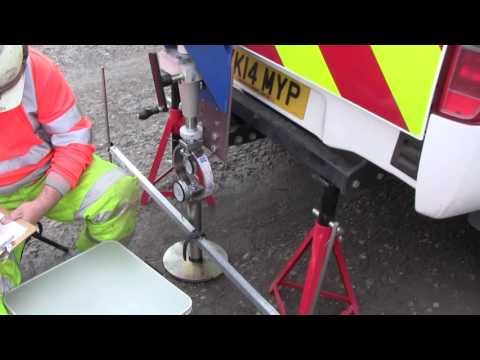
 Watch the film
CBR & plate bearing testing
Milton Keynes
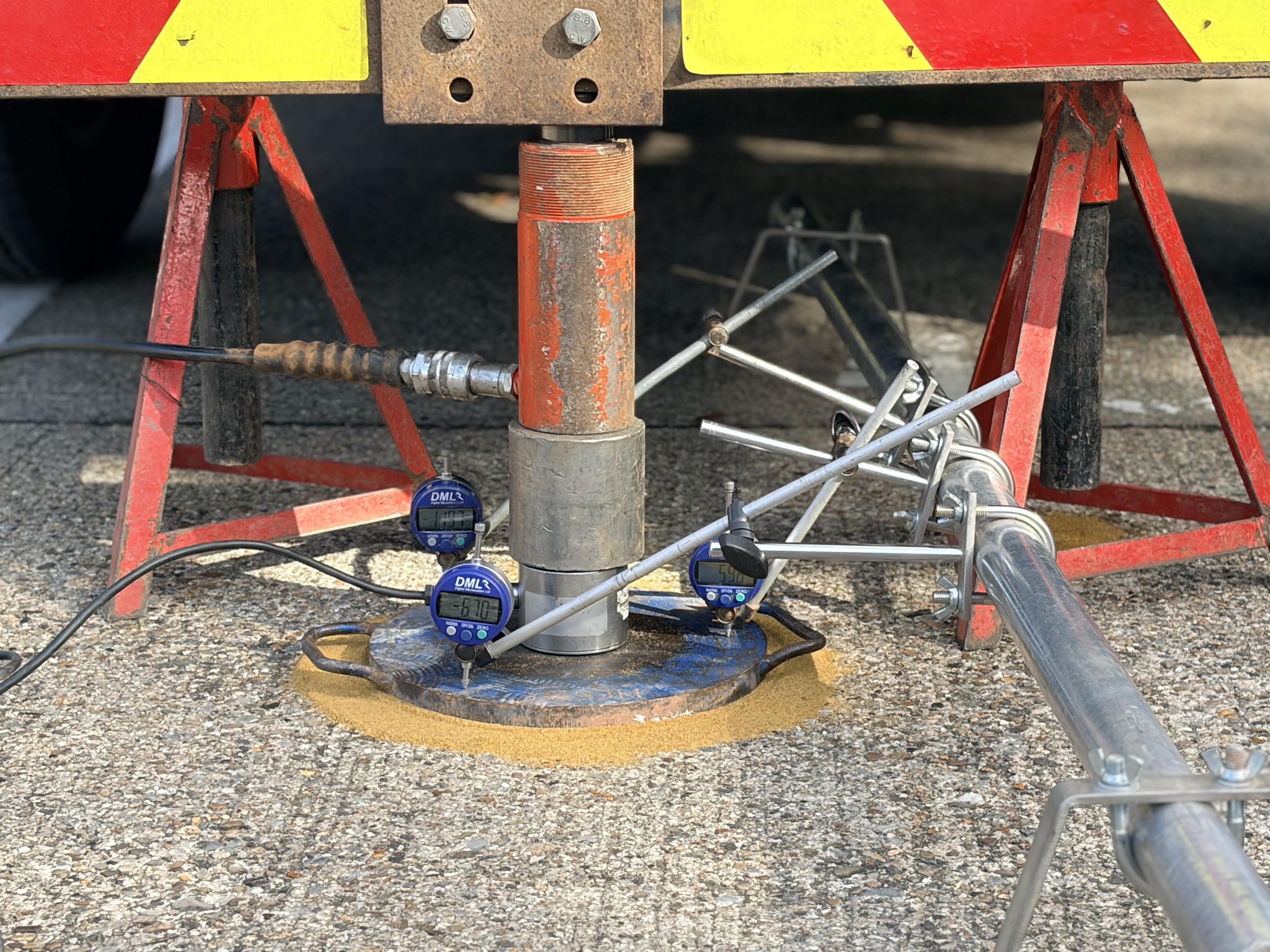
Plate bearing, CBR, LWD and fresh concrete testing from the Hixtra laboratory in Milton Keynes. Call 01908 505833.
On your site. On your side.
Same-day and next-day testing dates are often available. Call to check dates for your location and test requirements.
Quality, safety & professional standards
Expertise you can check.
UKAS accreditation applies to the tests listed in our accredited schedule.
View our credentials ↗


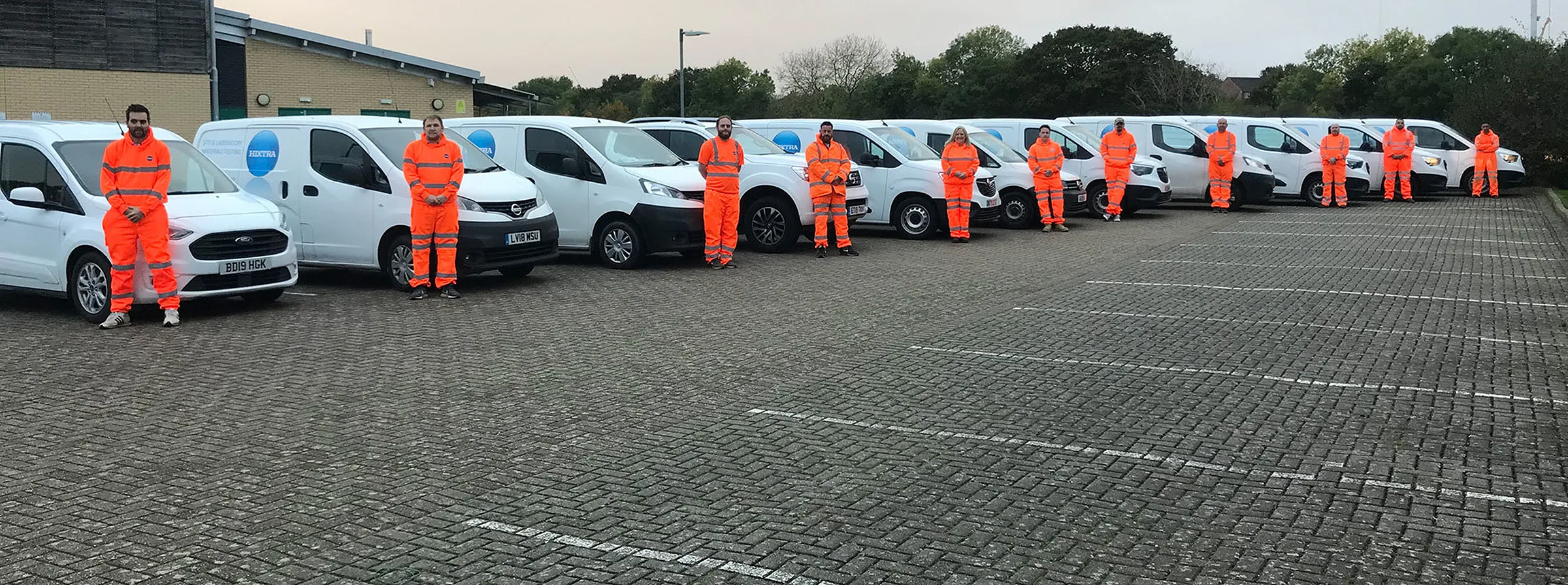
Experienced people
Technical knowledge, with practical advice.
National coverage
Testing support wherever your project takes you.
A responsive service
Clear arrangements, from enquiry to reporting.
Your regional contact
Local project details.
National testing expertise.
Same-day and next-day testing dates are available. Call your regional number to check dates for your location and test requirements. Site visits are coordinated centrally by Hixtra.
Areas served
Bletchley, Newport Pagnell, Bedford, Northampton, Buckingham, Aylesbury and Luton
Send your site postcode so we can confirm travel, access and availability. Coverage does not imply a permanent office in each town.
Local projects
The work we are called out to do here.
The Hixtra laboratory is in Milton Keynes, so this is the one region where the team is not on a long drive to reach you, and the one region where the full fresh concrete service is available as a matter of course. The work is CBR and plate bearing for the housing parcels and distribution sheds from Bletchley and Newport Pagnell out to Bedford, Northampton, Buckingham, Aylesbury and Luton; working platform testing for piling rigs; crane hardstanding testing; classification and chemical testing on samples brought in; and slump, flow and cube making on live pours, because every town on this page sits inside an hour of the laboratory. Callers are groundworks contractors, readymix suppliers, piling contractors, crane operators and consultants on the Oxford to Cambridge growth corridor.
Dates are easiest to find here. Same-day and next-day attendance is often available, subject to the schedule. We still do not promise a time, but a gap in the day can be filled here in a way it cannot be at the far end of the country. The grid roads make access straightforward, and short travel means positions need less grouping than further out, though it still helps. Cubes cast locally are back in the laboratory’s controlled curing tank the same day, and samples can be dropped at the door rather than couriered. For a quote, send the site postcode to 01908 505833.
Choose the right method
Ground testing that matches your specification.
Tell us the site conditions and what your specification requires. We can help you choose between direct CBR, plate bearing and other suitable ground-testing methods.
Plate bearing & derived CBR
Assess ground performance under a loaded plate for pavements, earthworks and working platforms. Where a derived CBR is required, the method and interpretation must be agreed against your project specification.
Plate bearing testing →In-situ CBR, LWD & DCP
Different methods answer different questions. Tell us the specified test, the material and the stage of construction. We can help arrange the appropriate testing package without treating these results as interchangeable.
Explore ground testing →Ground conditions
What the ground here tends to do.
Most of Milton Keynes, and the country north to Bedford, is Oxford Clay: stiff, over-consolidated, high plasticity and moisture sensitive at formation level. Left open it softens under rain and plant within days, and an in situ CBR taken then bears little relation to the dry reading. Soaked CBR values are typically in the low single figures, so specifications here assume the wet case, call for a capping layer and have us test on that. Where the clay needs a design value, a laboratory soaked CBR on a formation sample governs.
The plateau is not all clay. Glacial till, the local boulder clay, and glaciofluvial sand and gravel cap the higher ground, so one parcel can give stiff gravelly clay at one plot and clean sand and gravel at the next, and plate bearing and CBR values jump to match. Along the Great Ouse and the Ouzel, and around Willen and Caldecotte, alluvium and river terrace gravels give soft, wet valley ground that usually needs a designed platform, and a surface plate test on that platform says nothing about the soft material beneath. Towards Buckingham the Blisworth Limestone bears well when intact, with the Blisworth Clay under it, and chalk rises to the south east towards Dunstable.
Then the brickworks. Oxford Clay is the brick clay of the region; the Stewartby, Bletchley and Newton Longville works dug it for a century and left extensive pits, many since infilled. On parts of Milton Keynes and Bedford the formation is that infill, not natural ground, and plate results on it scatter. More positions, a DCP or hand pit beside anything odd, and the ground investigation before a platform is signed off.
Regional coverage, one schedule
Local knowledge. National reach.
Every visit is planned and reported from the Hixtra laboratory in Milton Keynes, so you get the same people, the same methods and the same reporting wherever the site is.
Check availability for your site ↗Before your visit
A little preparation.
A smoother site visit.
Send the specification
Include required methods, test locations, material details and any acceptance criteria set by your engineer.
Confirm access and reaction load
For plate bearing testing, discuss the required reaction load, safe working area and site access before booking.
Agree dates and reporting
We will confirm availability, scope and expected reporting arrangements for the work you need.
Hixtra in action
See the testing in practice.
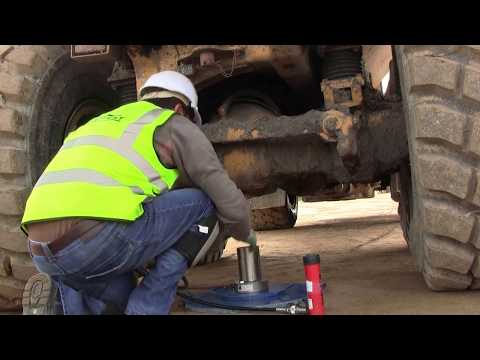
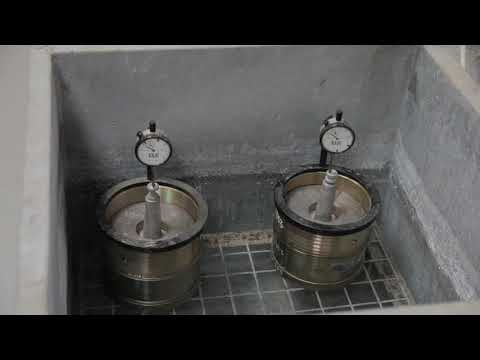
Your questions
Your questions, answered.
Practical answers on ground conditions, choosing a test and arranging a visit in this region.
Ask us about your project →Which areas does the Milton Keynes page cover?
Milton Keynes itself, including Bletchley and Newport Pagnell, and the ring of towns within roughly an hour of the laboratory: Bedford and Northampton to the north, Buckingham and Aylesbury to the west and south, Luton and Dunstable to the south east. That radius matters more here than on any other page, because it is the fresh concrete radius as well as the day-to-day working area. Coverage is not limited to those towns; site attendance is anywhere in England and Wales, and the other regional pages describe how the further areas are handled. If you are unsure which page your site falls under, send the postcode and we will tell you.
Which tests can you carry out on a Milton Keynes site?
All of them. Milton Keynes is where the laboratory is, so nothing on our list is out of reach. On site that means in-situ CBR testing, plate bearing testing, LWD testing, DCP testing, density and compaction testing, sampling and concrete coring. It is also the one area where fresh concrete testing is routine: our technicians attend the pour for slump, flow and cube making, and the cubes are back in the curing tank the same day. In the laboratory we run soaked laboratory CBR, classification, compaction, chemical and aggregate tests, and concrete cube compressive strength testing. The full range is on the testing services page.
How quickly can you attend a site in Milton Keynes or the surrounding towns?
Same-day and next-day dates are often available, subject to the schedule, and they are easier to find here than anywhere else we work, because a team finishing early in Bletchley is a short drive from Newport Pagnell or Bedford. We still do not guarantee an attendance time. The grid roads make access more predictable than most cities, and Bedford, Northampton, Luton and Aylesbury are a short run out, so a morning site and an afternoon site are often manageable on one day. Grouping test positions still helps, because setting up the plate rig is the slow part, not the driving. If a pour has been brought forward, ring; a same-day slump and cube visit is sometimes possible, but it depends on what is already booked.
What is the ground like in Milton Keynes and what does it do to a CBR value?
Most of the city and the country north to Bedford sits on Oxford Clay: stiff, over-consolidated, high plasticity and very sensitive to moisture at formation level. Soaked CBR values on it are low, typically in the low single figures, and an in situ CBR taken after rain, or after plant has run over an open formation, drops well below what the same clay gave when it was trimmed dry. Specifications here nearly always assume the wet case, call for a capping layer and ask for the CBR on that rather than on the clay. Where the clay itself needs a design value, a laboratory soaked CBR on a sample from formation level is the figure that governs, and the laboratory is a few miles from the site.
Why do results change so much across one development here?
Because the surface is not all Oxford Clay. Glacial till, the local boulder clay, and glaciofluvial sand and gravel cap the higher ground across the plateau, so a stiff gravelly clay at one plot can give way to a clean sand and gravel at the next and the plate bearing or CBR value jumps with it. Neither reading is wrong; the ground has changed. Along the Great Ouse and the Ouzel, and around Willen and Caldecotte, alluvium and river terrace gravels give soft, wet valley ground that behaves differently again. Towards Buckingham the Blisworth Limestone comes in with the Blisworth Clay beneath it, and to the south east the chalk rises towards Dunstable. Test each position that matters rather than extrapolating from one.
What about the old brick pits and infilled ground?
Oxford Clay is the brick clay of the region. The Stewartby, Bletchley and Newton Longville brickworks dug it for a century and left extensive pits, many since infilled, so on parts of Milton Keynes and Bedford the formation is fill rather than natural ground. Fill of unknown makeup is the usual reason plate bearing results scatter: one position lands on something dense, the next on loose material, and both are real. Test where the outriggers or rig tracks will actually stand, add positions rather than averaging across the site, and put a DCP or a hand pit beside any result that looks out of line. If your site is on a former pit, say so when you enquire and send the ground investigation if there is one.
Plate bearing, CBR, LWD or DCP: which should I ask for on Milton Keynes ground?
Follow the specification first. Crane hardstandings and piling platforms almost always call for a plate bearing test, because the platform designer’s check uses that value. Estate road and yard subgrades on the Oxford Clay want CBR, and on this clay the soaked laboratory value governs, so treat a dry-day in situ reading as an upper bound. LWD is useful for checking that a capping or sub-base layer is uniform across a big slab, but it is not a plate test and most designers will not accept it as one. DCP profiles strength with depth on the clay and the till and is the tool for asking what sits under a valley platform; on infilled pit ground it hits brick and gives false refusals, so treat it as diagnostic there.
Which standard is plate bearing testing usually carried out to?
Plate bearing tests are usually carried out to the plate loading method described in BS 1377-9, with the plate size, load increments and maximum applied pressure set by your specification. Tell us what the result has to demonstrate and we will confirm the method before booking.
Can you do fresh concrete testing, slump, flow and cube making, in Milton Keynes?
Yes. This is the one region where that is a plain yes. Fresh concrete testing is only offered within about an hour’s drive of the laboratory, and Milton Keynes, Bletchley, Newport Pagnell, Bedford, Northampton, Buckingham, Aylesbury and Luton all sit inside that radius. We attend the pour, test the slump or flow on arrival and make cubes at the point of placement. Because the laboratory is close, the cubes go back the same day and cure in a controlled water tank there, which removes the commonest cause of a disputed cube result, poor early curing. Readymix suppliers use us for this as well as the contractors receiving the concrete. Some concrete methods are still going through UKAS accreditation, so ask which are on the schedule if that matters.
Do you test hardened concrete cubes and cores from Milton Keynes sites?
Yes. Cubes we make on a local pour go straight back to the laboratory and are crushed at the ages your specification asks for, usually 7 and 28 days. Cubes made by your own team or your supplier can be dropped at the door for the same. Coring is a site visit: we cut cores from slabs, walls and hardstandings, typically where cube results are missing or disputed, where a slab was cast without records, or where a designer wants the in place strength of a warehouse floor before the racking goes in. Cores go back to the laboratory for preparation and testing, and here that is a short drive rather than a courier. Ask which concrete methods are on the UKAS schedule if accreditation matters to you.
Do you test working platforms for piling rigs in Milton Keynes?
Yes, and the local ground is why it matters. Piling platforms here are usually a granular layer over Oxford Clay, over glacial till, or over the soft alluvium in the Ouse and Ouzel valleys, and the valley sites almost always need a designed platform. We run plate bearing tests at the positions the rig will track and stand on and report the values the platform designer needs to check against the rig’s bearing pressures, normally to the approach in BRE 470. Tell us the rig, its loads and the platform thickness before the visit. On the valley ground a passing plate result does not prove the soft material beneath, so we say so in the report, and a DCP alongside the plate is worth having.
Can you test a crane hardstanding for a lift in Milton Keynes?
Yes. Crane hardstandings here are mostly for steel frames on distribution sheds and for the mobile crane lifts that go with housing work across the growth corridor. We plate test each outrigger position to the bearing pressure in the lift plan and report the settlement and allowable pressure at each one. One caveat: a plate is much smaller than an outrigger mat, so it stresses a shallower depth. On a thin stone layer over wet Oxford Clay, or over infilled pit ground, the plate can pass while the mat loads something softer beneath it. Where that is a risk we say so, and a DCP at the position helps. Send the lift plan with the enquiry and, if the crane moves, the second set of positions too.
Is Hixtra’s testing UKAS accredited?
Hixtra holds UKAS accreditation to ISO/IEC 17025 under schedule number 8996, held at the Milton Keynes laboratory. Accreditation is granted method by method, not to the company as a whole, and it applies only to the tests listed on the current schedule. Most of the soil and aggregate tests we run are on it. Some concrete tests are still going through the process, which matters here because this is where the fresh concrete work happens. So some of what we do is accredited and some is not, depending on the method. If your specification or your client’s engineer needs a UKAS accredited result, name the test when you enquire and we will confirm whether that method is on the schedule before you book.
What do you need from me before the visit, and how are results reported?
The site postcode and gate location first; they fix the quote and the route. Then the specification: plate size, target bearing pressure or settlement limit, target CBR, and the crane or rig loads if the test is for a platform. For a concrete visit we need the pour date and time, the supplier and mix reference, how many cubes and at what ages, and whether slump is taken at the truck or the point of placement. After that, positions on a marked plan, the surface we will be on, access for the reaction machine, working hours and any induction requirements. Site results are normally reported the same day as a PDF. Cube and laboratory results follow when the test finishes, so a 28 day result arrives at 28 days.
Is there a Hixtra office in Milton Keynes, and can I bring samples to the laboratory?
Yes. Milton Keynes is Hixtra’s head office and the laboratory, and 01908 505833 rings there. There is no office or depot in Bedford, Northampton, Luton, Aylesbury or Buckingham; teams travel out to those towns from Milton Keynes, the same as they do to every other region, just with far less road in between. Samples for classification, compaction or chemical testing can be brought to the door during working hours rather than couriered, and cubes made on your site can come in the same way. Ring before you set off so someone is ready to book the sample in, and label each one with the site, the location and the depth it came from.