In-situ CBR
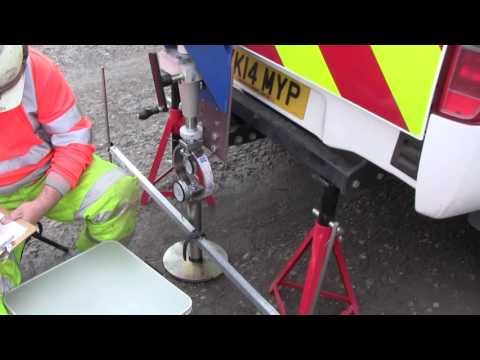
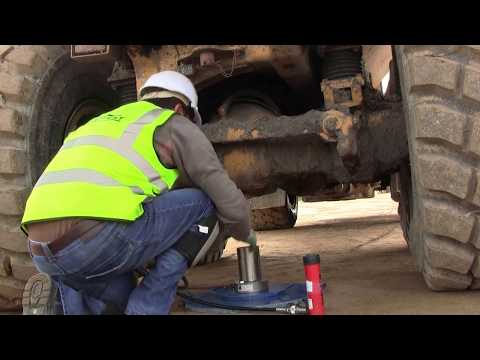
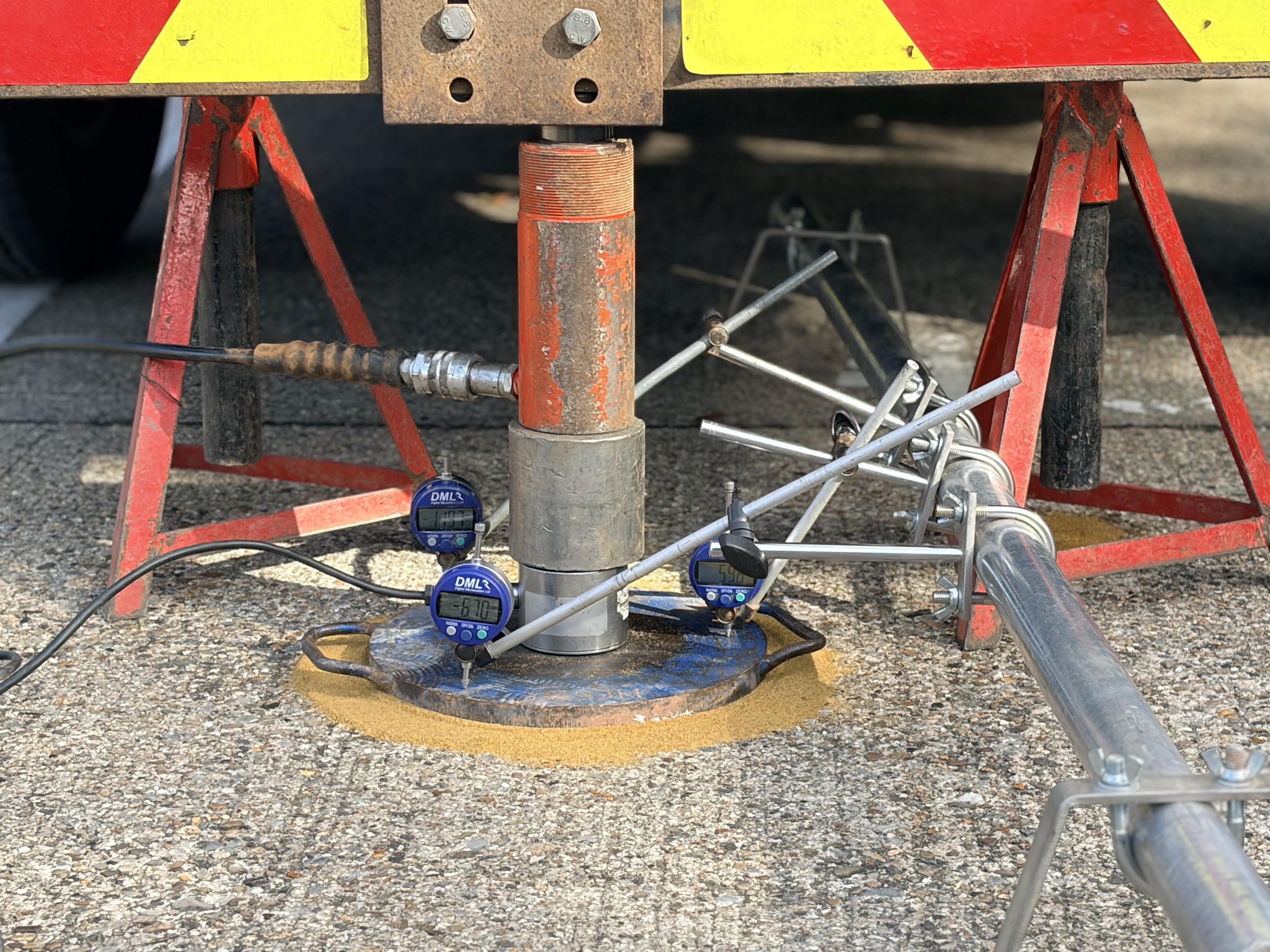
The plunger test at formation level, from our vehicle. It is the everyday check on trimmed Oxford Clay and glacial till, and because we are local it can often be fitted in the same day. Explore in-situ CBR testing →
Hixtra · CBR testing in Milton Keynes
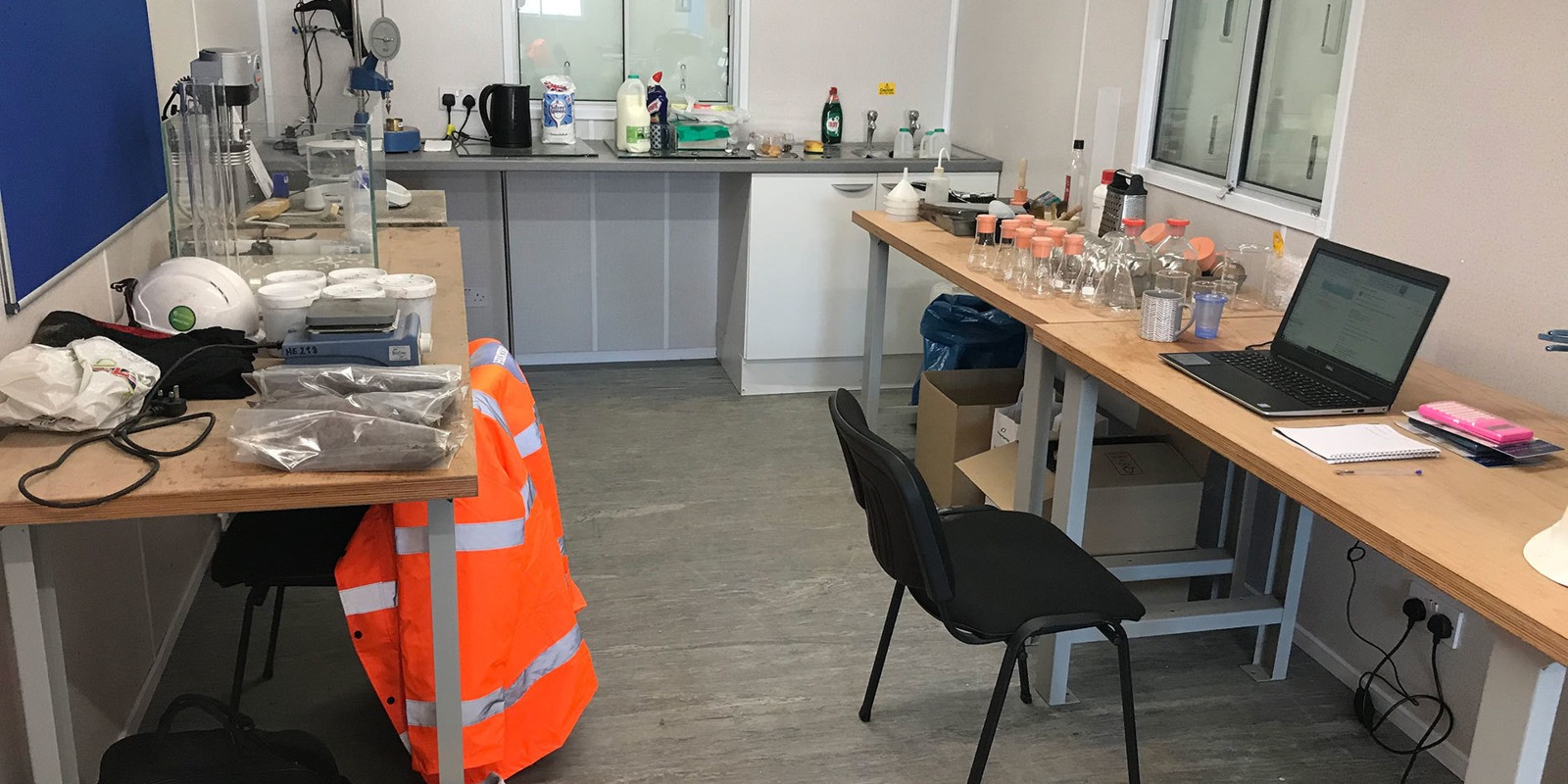
In-situ and laboratory CBR testing in Milton Keynes, from the laboratory we run in the city. Same-day site visits are easier to find here than anywhere else, and a soaked laboratory CBR sample is in the mould within hours of leaving your site.
Talk to Hixtra →01908 505833Same-day and next-day dates are often available in Milton Keynes, with site results normally reported the same day. Call to check availability.
Quality, safety & professional standards
UKAS accreditation applies to the tests listed in our accredited schedule. Ask us for the current scope before you book.
Understand our accreditation →


Our home ground
The laboratory is in Milton Keynes, so the team is minutes from your site, not hours.
Site and laboratory together
In-situ CBR on site and a soaked laboratory CBR on the same material, without a courier in between.
Reported the same day
Site CBR results are normally sent the same day as a PDF for your engineer.
CBR testing in Milton Keynes
Milton Keynes keeps growing, and most of our local CBR testing is for the estate roads, redways, car parks and distribution yards that come with it, from the eastern and western expansion areas out to Bedford, Northampton, Buckingham and Aylesbury. A CBR value can come from three different tests, and on the local clay it matters which.
The plunger test at formation level, from our vehicle. It is the everyday check on trimmed Oxford Clay and glacial till, and because we are local it can often be fitted in the same day. Explore in-situ CBR testing →
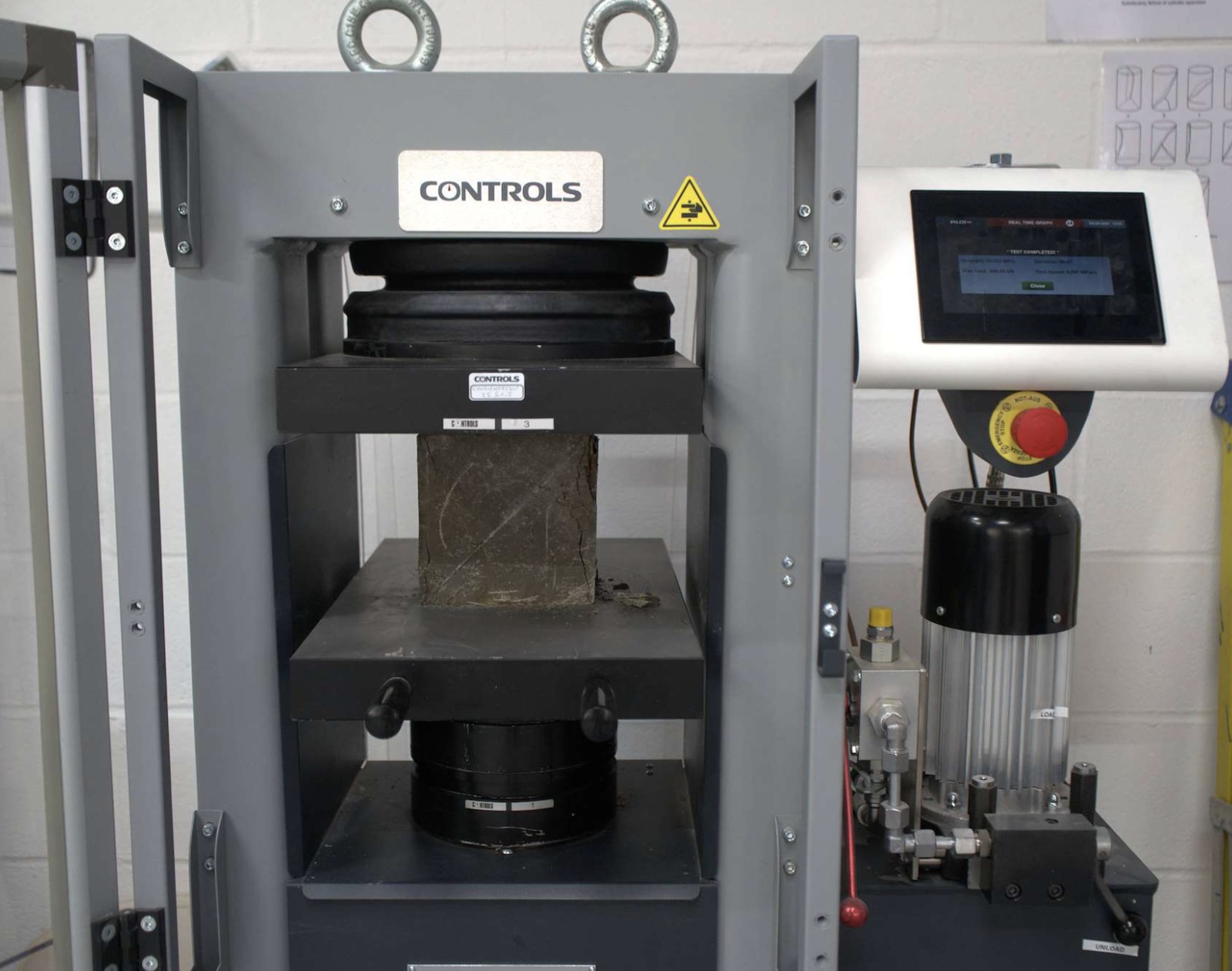
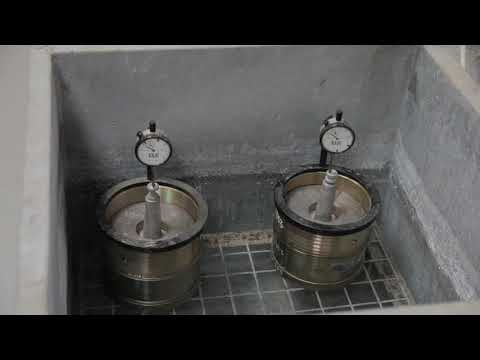
A bulk sample is remoulded at the laboratory and tested, soaked where the design needs the wet case. On Oxford Clay the soaked value is typically in the low single figures, and it is the figure that governs. Explore laboratory CBR testing →
On capping, Type 1 and coarse fill the plunger cannot be used, so a plate bearing test loads a larger area. A derived CBR is reported where the specification allows it, labelled as derived. Explore plate bearing testing →
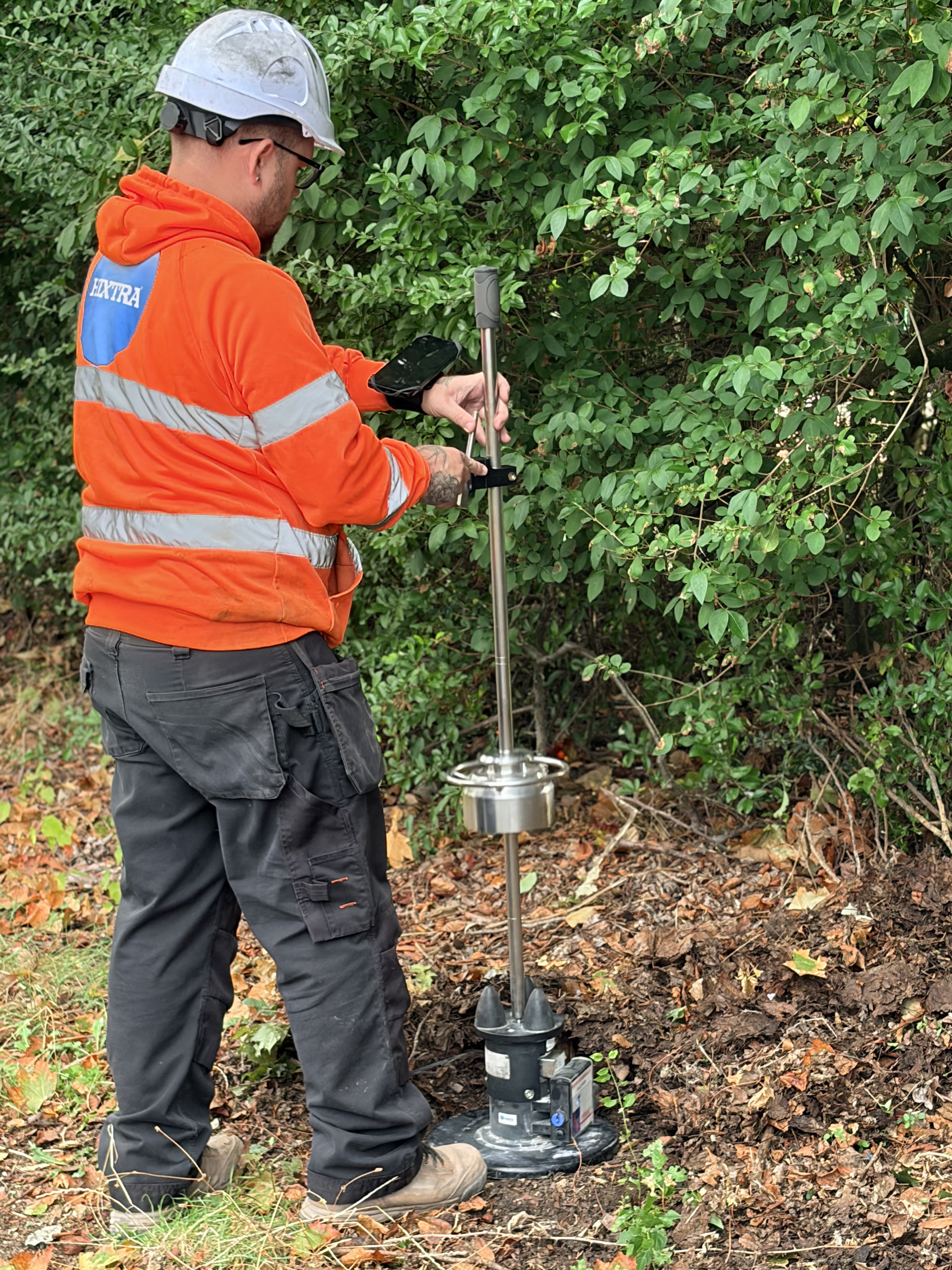
LWD testing and DCP testing are easy to add to a local visit, and the ground often justifies them. Most of the city, and the country north to Bedford, is Oxford Clay: stiff, over-consolidated, high plasticity and very moisture sensitive at formation level. Left open, it softens under rain and plant within days, and an in-situ CBR taken then bears little relation to the dry reading, so specifications here assume the wet case and call for capping. The plateau is not all clay. Glacial till and patches of sand and gravel cap the higher ground, so one parcel can give stiff gravelly clay at one plot and clean sand at the next, and the CBR jumps to match. Along the Ouse and the Ouzel, and around Willen and Caldecotte, the valley ground is soft and wet. Towards Bletchley, Newton Longville and Stewartby, old brick pits in the Oxford Clay have been infilled, and results on that fill scatter.
Questions people ask
Practical answers for planning and booking CBR testing in Milton Keynes.
Ask us about your project →Same-day and next-day dates are often available, subject to the schedule, and they are easier to find here than anywhere else we work, because a team finishing early in Bletchley is a short drive from Newport Pagnell or Brooklands. We still do not guarantee an attendance time. If the formation is trimmed and the stone is due, ring 01908 505833 and we will tell you what the day looks like.
Low. Oxford Clay is a high plasticity, over-consolidated clay, and soaked laboratory CBR values are typically in the low single figures. A dry-day in-situ test on a freshly trimmed formation reads higher and should be treated as an upper bound. Specifications in Milton Keynes nearly always assume the wet case, call for a capping layer and ask for the testing on that.
Because the surface is not all Oxford Clay. Glacial till and glaciofluvial sand and gravel cap the higher ground across the plateau, so a stiff gravelly clay at one plot can give way to clean sand at the next, and the CBR jumps with it. Neither reading is wrong. The ground has changed. Test each length of road that matters and do not extrapolate from one position.
Where the fill is fine enough, yes, but expect scatter. The Bletchley, Newton Longville and Stewartby brickworks left extensive pits, many since infilled, and the fill varies from dense to loose over a few metres. The plunger suits material up to about 20 mm. On brick and rubble fill, plate bearing is the better test, and a DCP beside any odd result is worth having. Tell us if your site is on a former pit.
Send us the clause or tell us what the number is for. Adoptable estate roads normally need an in-situ CBR at formation, and on this clay a soaked laboratory CBR for the design value. Yards on capping are more often checked by plate bearing with a derived CBR. They are different measurements, and the report should say which one was used.
Faster here than anywhere, because the sample does not travel. It can be in the laboratory within the hour and prepared the same day. The test itself still takes what it takes: the specimen is remoulded into a 152 mm mould at the specified compaction and moisture condition and, for a soaked test, left under water for the soaking period, normally four days, before it is tested. Testing is commonly carried out to BS 1377-2.
Yes. Bulk samples can be brought to the door during working hours. Ring before you set off so someone is ready to book the sample in, and label each bag with the site, the location and the depth it came from. Ask us how much material we need first, because a laboratory CBR needs a good deal more than a classification test.
Yes, significantly. CBR is strongly influenced by moisture content, and Oxford Clay at formation softens within days under rain and plant. A result describes the formation on the day it was tested. Test soon after trimming, cover the formation with capping promptly, and rely on the soaked laboratory value where the design has to allow for the wettest likely condition.
Your specification or the adopting highway authority sets the number. Where they are silent, it depends on the length of road and how variable the ground is. Positions are spread along the formation so soft areas are found, and each test is made at the level the design relates to. In-situ testing is commonly carried out in accordance with BS 1377-9.
The test level exposed and trimmed flat, safe vehicle access to each position and a clear working area. The equipment is vehicle mounted and reacts against the weight of the vehicle, so very soft valley ground or steep gradients can rule a position out. The grid roads make getting to site simple. The plunger hole is backfilled before we leave.
Hixtra holds UKAS accreditation to ISO/IEC 17025 under schedule number 8996. Accreditation is granted method by method, not to the company as a whole, so it applies only to the tests listed on our current schedule. The accreditation is held at the Milton Keynes laboratory, and most of our soil tests are on it. If your specification or the adopting authority requires an accredited result, name the CBR method when you enquire and we will confirm whether it is on the schedule before you book.
Every visit is quoted from the site postcode, and with almost no travel in it, a local visit is as economical as CBR testing gets. The price depends mainly on the number of positions and the time on site. Digging to test level, standby time and out-of-hours working add to it. Send the postcode, positions and dates and we will quote.
Yes. Milton Keynes is Hixtra’s head office and laboratory, and 01908 505833 rings there. Every team we send anywhere in England and Wales starts the day here. There is no office in Bedford, Northampton, Luton, Aylesbury or Buckingham. Teams travel out to those towns, just with far less road in between than for the rest of the country.
Keep reading
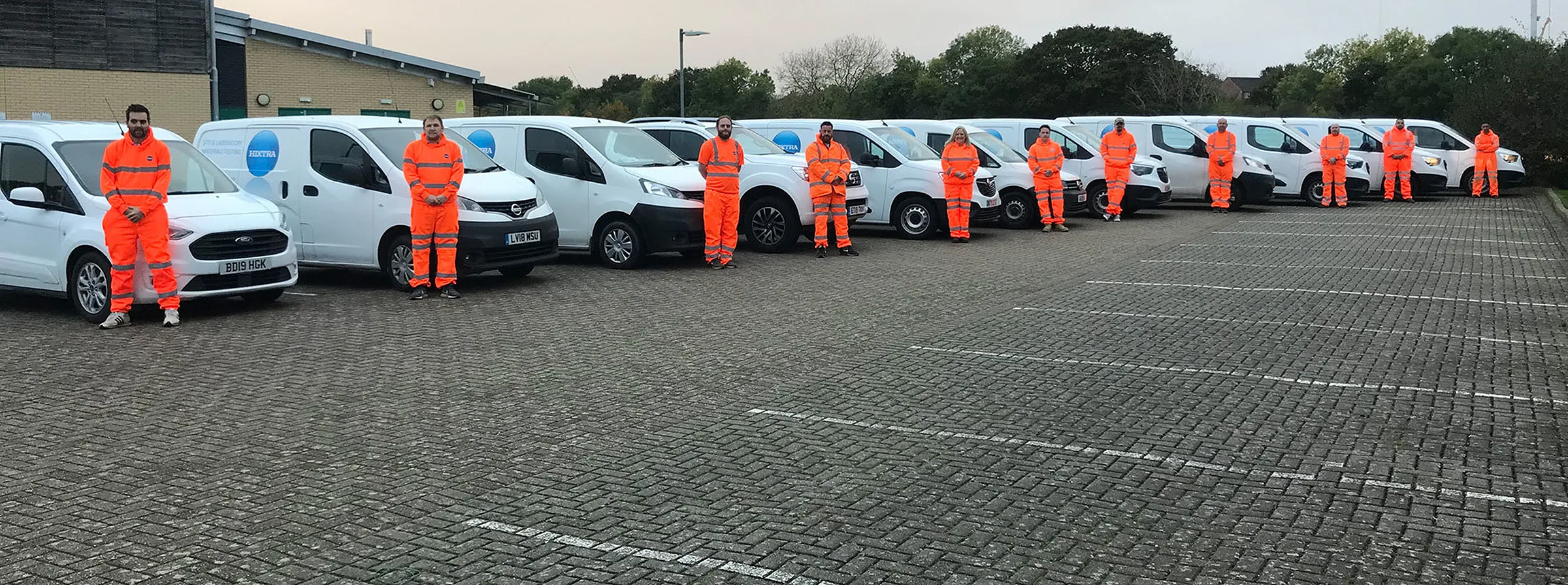
Hixtra in action
In our customers’ words
Independent feedback from the people we work with.
“Punctual, friendly and professional.”Read the full review →
“Perfect service and explained everything step by step.”Read the full review →
“Excellent service! Incredibly professional. Thankyou”Read the full review →