What Birmingham ground means for LWD testing.
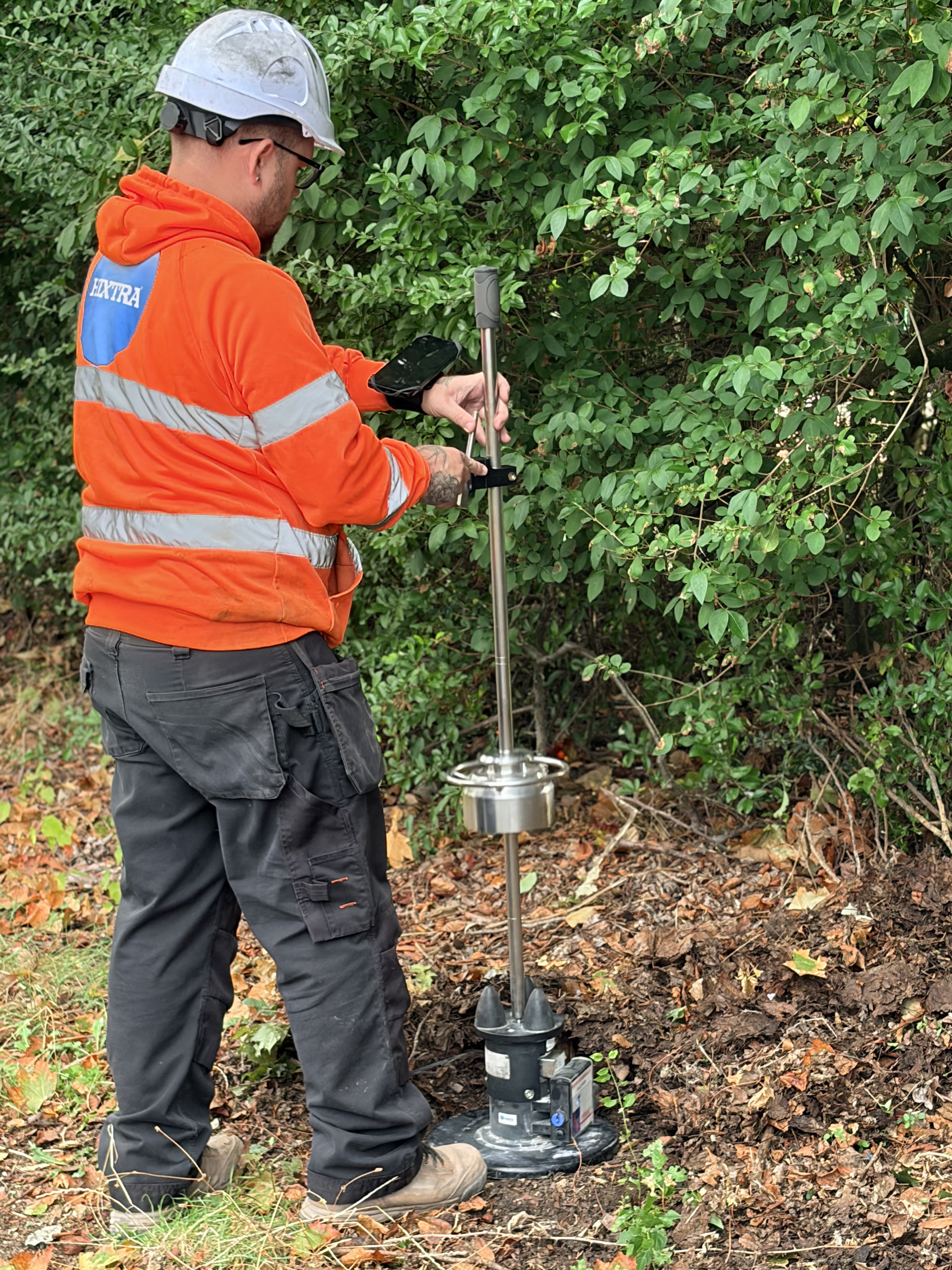
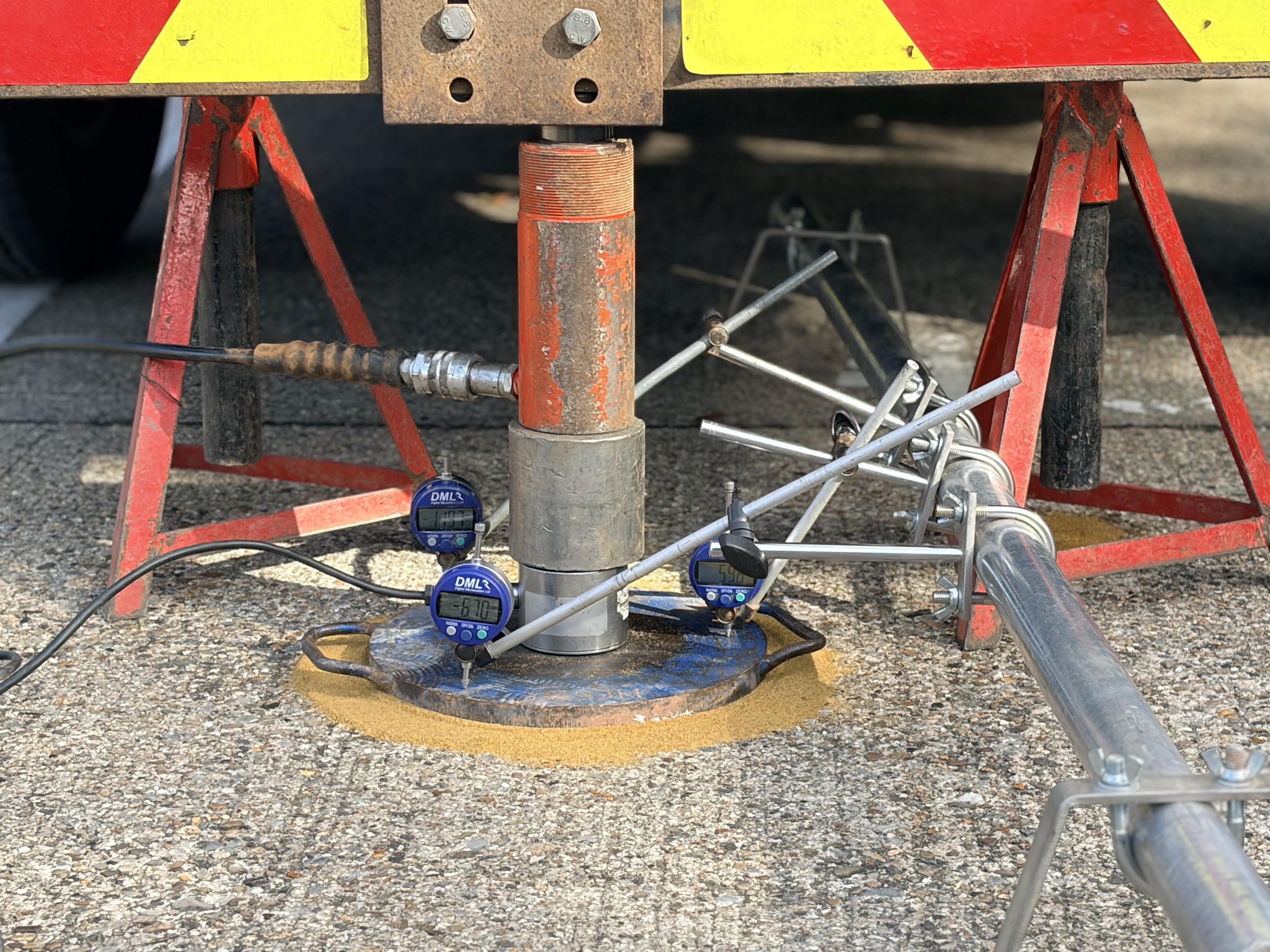
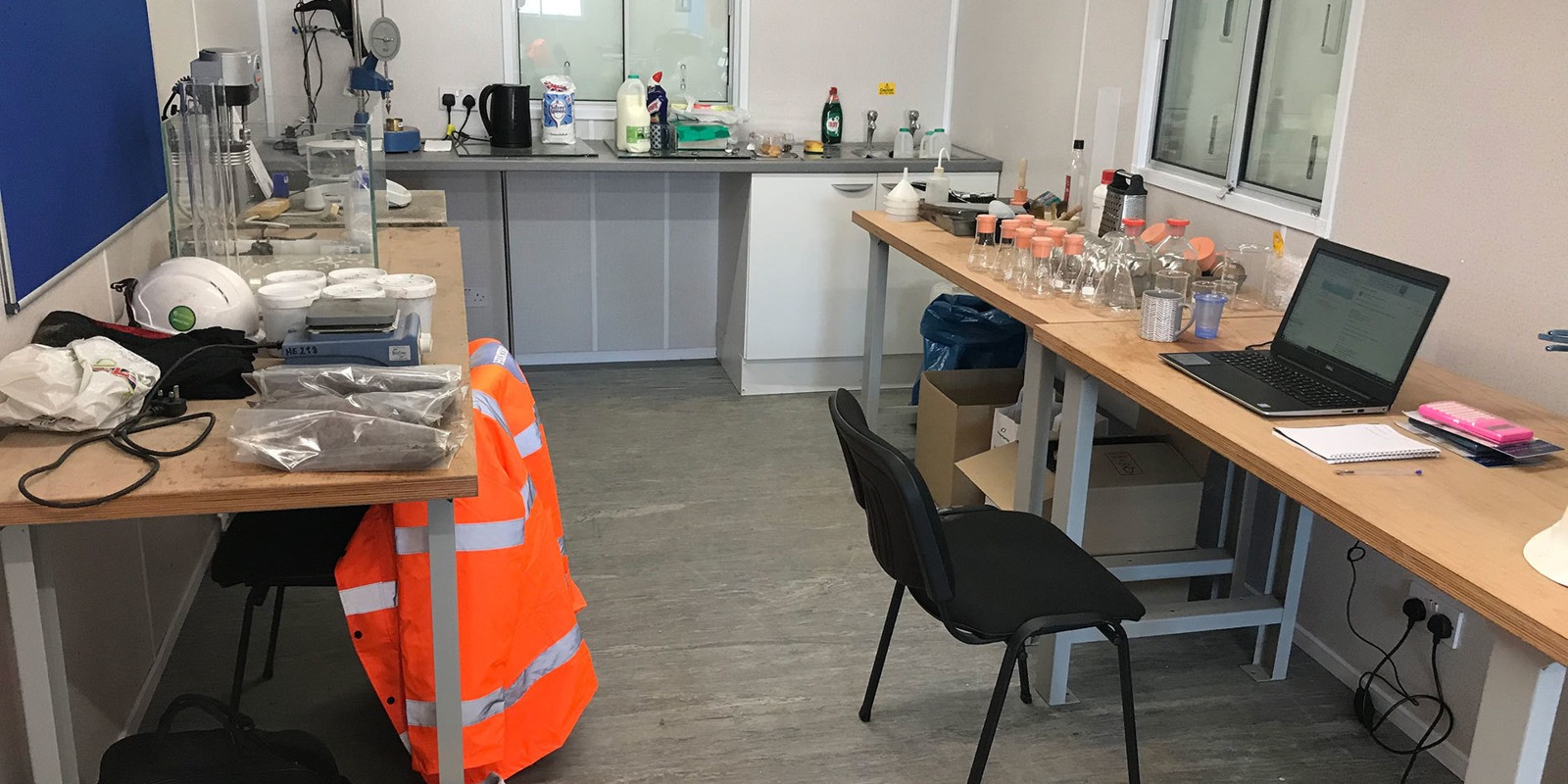
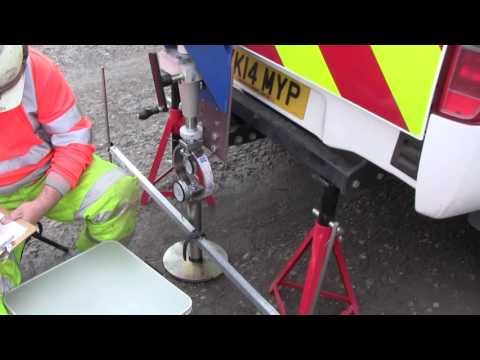
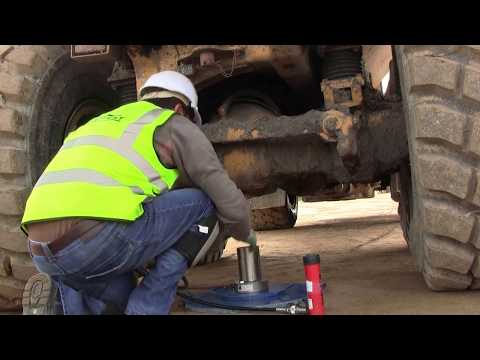
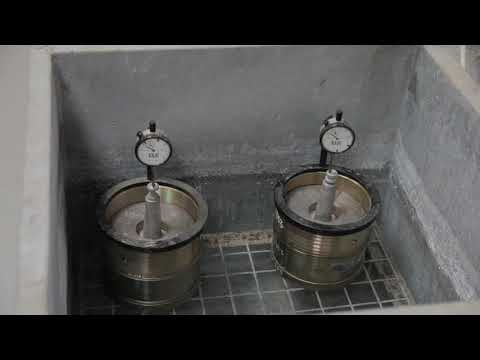
CBR testing and plate bearing testing answer different questions from an LWD, and Birmingham’s ground often calls for all three. Through the city and the Black Country the formation is commonly made ground: foundry sand, slag, ash and brick rubble, rarely the same from one bay to the next. An LWD copes with coarse granular fill that a CBR plunger cannot, and its speed lets you map the variation instead of guessing at it. East of the Birmingham Fault, on the Mercia Mudstone towards Solihull, the LWD is unreliable directly on wet clay and belongs on the capping above. West of it, on the dense sand of the weathered Sherwood Sandstone, it can be used at formation level. In the Rea and Tame valleys, a stiff layer over soft alluvium gives a composite reading.