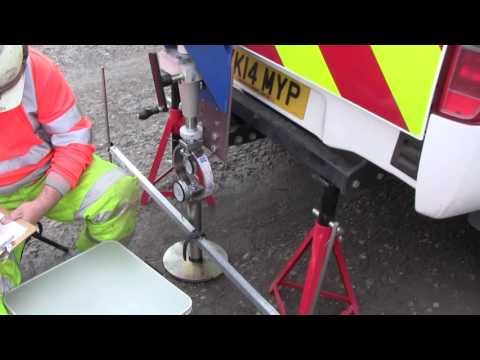
 Watch the film
CBR & plate bearing testing
Birmingham
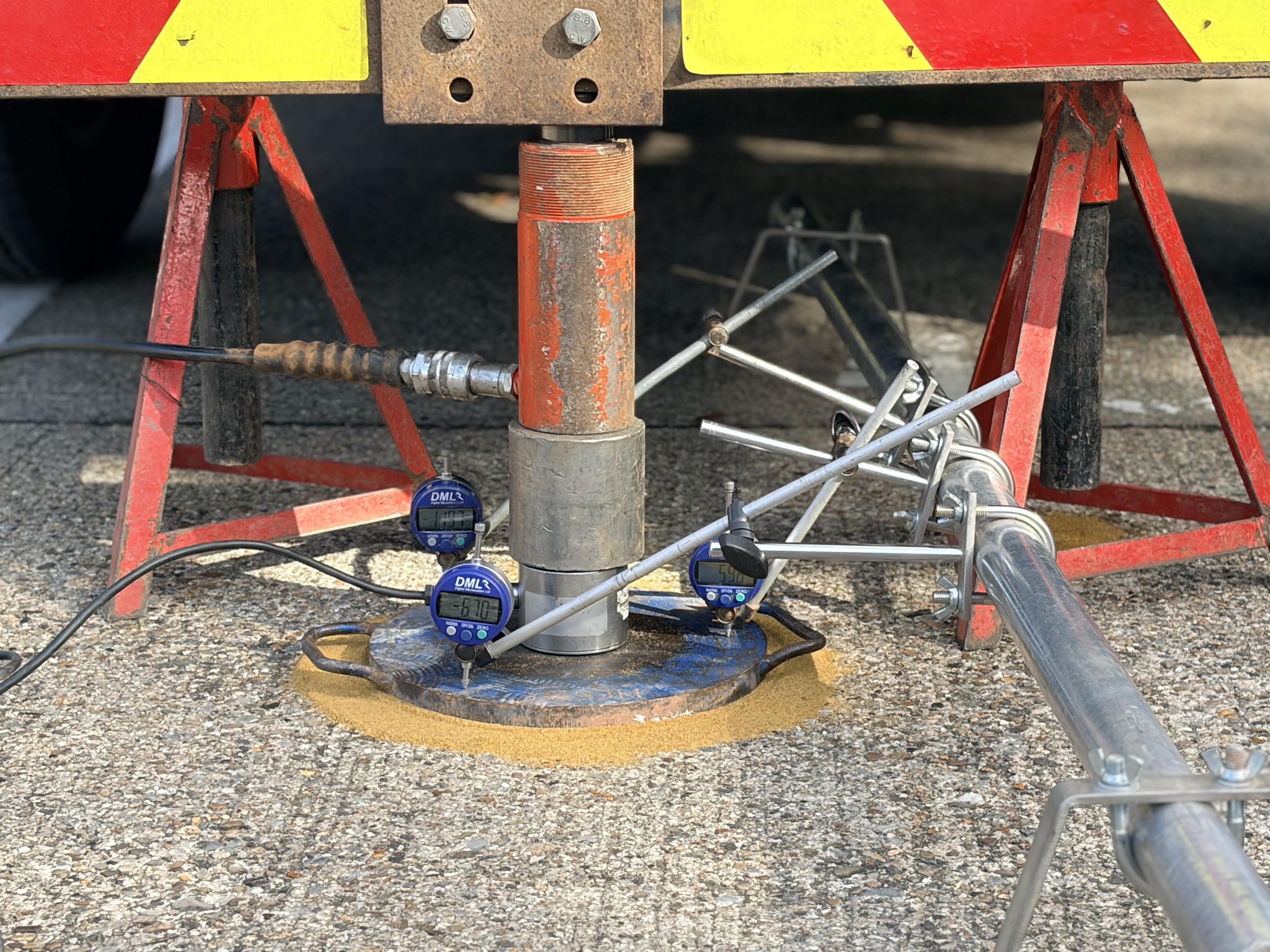
Plate bearing, CBR and LWD testing in Birmingham, plus concrete cube, soil and aggregate testing at our laboratory. Call 0121 270 6622 to check dates.
On your site. On your side.
Same-day and next-day testing dates are often available. Call to check dates for your location and test requirements.
Quality, safety & professional standards
Expertise you can check.
UKAS accreditation applies to the tests listed in our accredited schedule.
View our credentials ↗


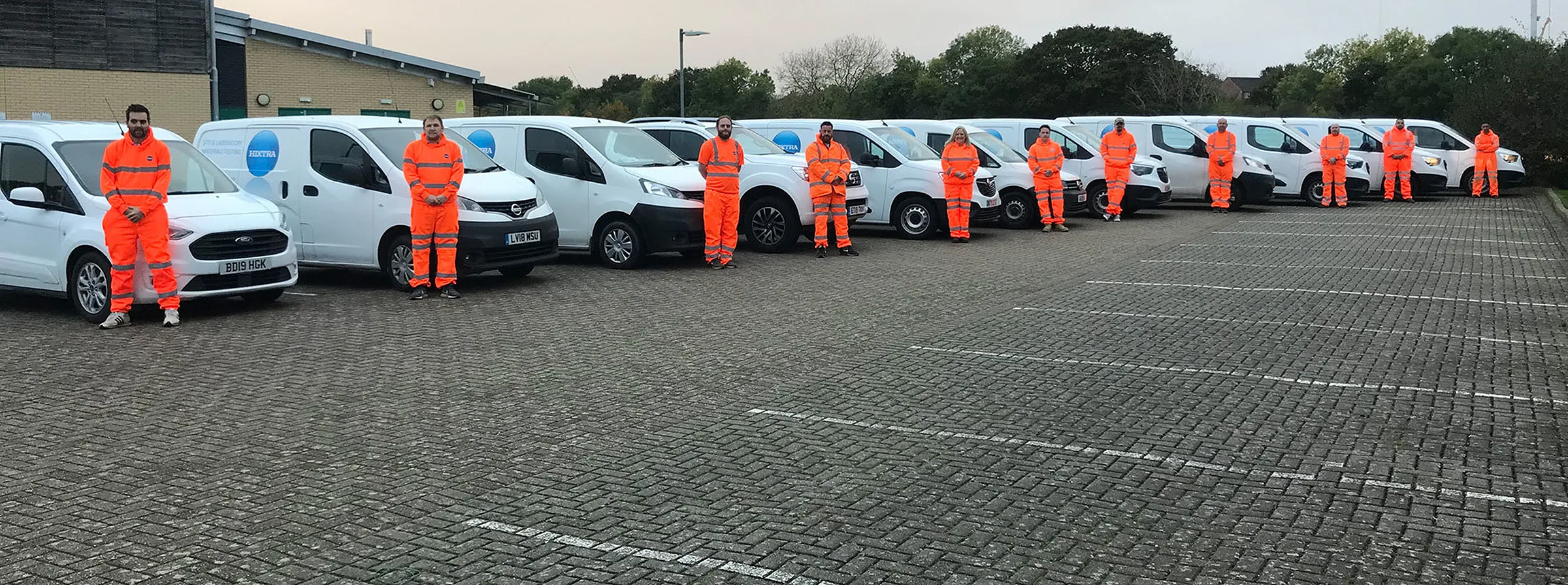
Experienced people
Technical knowledge, with practical advice.
National coverage
Testing support wherever your project takes you.
A responsive service
Clear arrangements, from enquiry to reporting.
Your regional contact
Local project details.
National testing expertise.
Same-day and next-day testing dates are available. Call your regional number to check dates for your location and test requirements. Site visits are coordinated centrally by Hixtra.
Areas served
Solihull, Wolverhampton, Walsall, Dudley, Redditch, Tamworth and Lichfield
Send your site postcode so we can confirm travel, access and availability. Coverage does not imply a permanent office in each town.
Local projects
The work we are called out to do here.
Most of what we do in Birmingham is on ground somebody has already used. Working platform testing for piling rigs on brownfield regeneration is the core of it: former works, foundries and rail land across Birmingham and the Black Country where a platform built over fill needs proving before the rig arrives. Along the M6, M42 and M54 corridors we test CBR on estate roads and yards for distribution and logistics sheds around Tamworth, Lichfield, Solihull and Wolverhampton. City centre schemes call us for tower crane base and hardstanding tests close to existing structures. Plate bearing on made ground where the fill history is unknown is a regular request, as is testing for highways and for works alongside the HS2 route.
Teams travel from Milton Keynes for every visit. The region is central and well connected, so Birmingham is about an hour and a half by the M1 and M6 or the A5 and M6 Toll, and Redditch, Solihull, Tamworth and Lichfield are similar. Same-day and next-day dates are often available, subject to the schedule. The West Midlands is beyond the hour’s drive within which we offer fresh concrete testing, so slump, flow and cube making at the pour are not available here. Hardened cube testing and coring are, anywhere in England and Wales. Call 0121 270 6622 with your site postcode for a quote.
Choose the right method
Ground testing that matches your specification.
Tell us the site conditions and what your specification requires. We can help you choose between direct CBR, plate bearing and other suitable ground-testing methods.
Plate bearing & derived CBR
Assess ground performance under a loaded plate for pavements, earthworks and working platforms. Where a derived CBR is required, the method and interpretation must be agreed against your project specification.
Plate bearing testing →In-situ CBR, LWD & DCP
Different methods answer different questions. Tell us the specified test, the material and the stage of construction. We can help arrange the appropriate testing package without treating these results as interchangeable.
Explore ground testing →Ground conditions
What the ground here tends to do.
Birmingham is split by the Birmingham Fault, which runs north east to south west through the city. West of it, under the city centre, the Jewellery Quarter, Edgbaston and Harborne, the rock is Sherwood Sandstone, which drains well and gives good, steady CBR and plate bearing values. East of it, through Bordesley, Small Heath, Yardley and out to Solihull, it is Mercia Mudstone, which weathers to a firm red clay and softens quickly when wet. Glacial till and patches of sand and gravel blanket much of both, and the Rea and Tame valleys through Digbeth, Saltley, Witton and Perry Barr carry soft alluvium. Over all of it lies two centuries of made ground, and in most of the city that is what a platform actually sits on.
Made ground is the defining issue. Through the Black Country and much of Birmingham the fill is foundry sand, furnace slag, colliery spoil, ash and brick rubble, often many metres deep and rarely uniform. A plate test tells you about the metre or so under the plate and nothing about the next bay; results scatter and one good result proves little. We choose test positions to represent the scheme, suspect areas included, not to find the best spot. Where the fill history is unknown a plate test is usually the right first call, because it loads the ground as the platform will; a CBR on rubble fill is hard to seat and easy to misread.
Off the fill, the natural ground is mostly Mercia Mudstone, a weak mudstone that weathers to a firm clay. It is workable when dry and turns quickly when wet, so formation CBR drops between a dry week and a wet one, and a formation left open over a wet weekend is different on Monday. Test soon after trimming. Sherwood Sandstone beneath parts of Birmingham and north towards Lichfield and Cannock drains better and gives markedly higher CBR, so sandstone design values do not carry across to the mudstone.
Across the South Staffordshire coalfield, the Black Country and around Tamworth, with the Dudley limestone workings to the west, shallow historic mining makes ground stability a live question; much of the region sits in the Coal Authority development high risk area. Bearing tests describe the surface platform or formation, not a void below. Here our testing usually sits alongside a wider ground investigation, and the mining report should be read before the bearing results.
Regional coverage, one schedule
Local knowledge. National reach.
Every visit is planned and reported from the Hixtra laboratory in Milton Keynes, so you get the same people, the same methods and the same reporting wherever the site is.
Check availability for your site ↗Before your visit
A little preparation.
A smoother site visit.
Send the specification
Include required methods, test locations, material details and any acceptance criteria set by your engineer.
Confirm access and reaction load
For plate bearing testing, discuss the required reaction load, safe working area and site access before booking.
Agree dates and reporting
We will confirm availability, scope and expected reporting arrangements for the work you need.
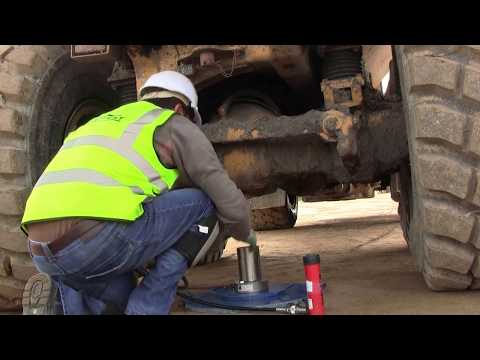
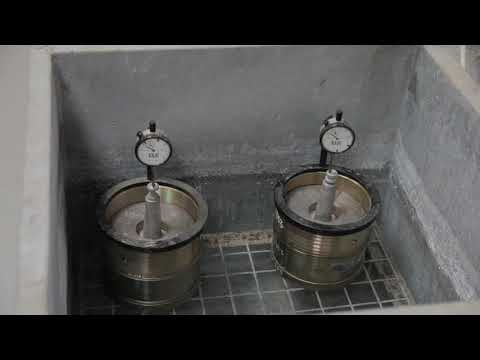
Hixtra in action
See the testing in practice.
Your questions
Your questions, answered.
Practical answers on ground conditions, choosing a test and arranging a visit in this region.
Ask us about your project →Do you cover Birmingham and the surrounding towns?
Yes. We attend sites across the city, from the centre, Digbeth and Eastside out to Longbridge, Selly Oak, Erdington, Perry Barr and Sutton Coldfield, and across Solihull to the NEC and the airport. Around it we cover the Black Country boroughs of Wolverhampton, Walsall, Dudley and Sandwell, Redditch and Bromsgrove to the south, and Tamworth, Lichfield and Cannock on the Staffordshire side, along with the logistics parks strung along the M6, M42 and M54. Every visit is run from our laboratory in Milton Keynes, so there is no line on the map inside which you are covered and outside which you are not; if the site is in England or Wales we attend. Send the site postcode and we will confirm a date and a price for that address.
Which tests can you carry out on a Birmingham site?
Most Birmingham visits are plate bearing testing on piling platforms, crane bases and hardstandings, with in-situ CBR testing on estate road and yard formations, LWD testing to check capping and sub-base across a large slab, and DCP profiling where the fill needs looking into. We also carry out density and compaction testing, take soil and aggregate samples and cut concrete cores. At the laboratory we run soaked laboratory CBR, classification, compaction, chemical and aggregate tests, and concrete cube compressive strength testing on cubes made by your team or your supplier. Fresh concrete testing at the pour is the one service that does not reach Birmingham, because it is limited to about an hour’s drive of Milton Keynes. Everything else is on the testing services page.
How quickly can you get to Birmingham or the Black Country?
The region is central and well connected, which keeps attendance straightforward. Birmingham is about an hour and a half from Milton Keynes by the M1 and M6 or the A5 and M6 Toll, and Solihull, Redditch, Tamworth and Lichfield are much the same; Wolverhampton and Walsall add a little more. Same-day and next-day dates are often available, subject to the schedule. City centre sites are the ones to plan carefully, because access windows, delivery slots and parking for a test vehicle can matter more than the drive itself. Tell us when the rig or crane is due and we will work back from that.
What is the ground like in Birmingham and what should I expect?
Expect fill first. Through the Black Country and much of Birmingham the ground is made ground: foundry sand, furnace slag, colliery spoil, ash and brick rubble, often many metres deep and rarely the same from one corner of the site to the other. Beneath that, and at the surface on greenfield sites, the natural ground is mostly Mercia Mudstone, which weathers to a firm clay and softens quickly when wet. Sherwood Sandstone under parts of Birmingham and north towards Lichfield and Cannock drains better and gives markedly higher CBR values. Across the coalfield around the Black Country and Tamworth, shallow historic coal and limestone mining means stability is a separate question from bearing capacity. Results on fill scatter; plan for it.
Plate bearing, CBR, LWD or DCP: which is right on made ground and mudstone?
On made ground with an unknown fill history, plate bearing is usually the right first test, because it loads the ground the way a platform or pad will and gives a settlement you can design to. A CBR on brick rubble and slag is difficult to seat and the result can mislead. On Mercia Mudstone formations for estate roads, in situ CBR is what the specification normally asks for, and timing matters because the value moves with the weather. LWD is useful for checking compacted capping and sub-base across large logistics yards quickly. DCP helps on fill to see whether strength holds with depth or drops into a soft layer under a crust. Tell us the specification clause and we will match the test.
Which standard is plate bearing testing usually carried out to?
Plate bearing tests are usually carried out to the plate loading method described in BS 1377-9, with the plate size, load increments and maximum applied pressure set by your specification. Tell us what the result has to demonstrate and we will confirm the method before booking.
Can you test concrete on Birmingham sites?
Hardened concrete, yes. Fresh concrete, no. Slump, flow and cube making at the pour are only offered within about an hour’s drive of Milton Keynes, and Birmingham and the Black Country are beyond that, so we do not send technicians to sample fresh concrete here. Cube testing and coring are available across England and Wales. If your own team or your readymix supplier make cubes on site, they can be delivered to the laboratory or collected while we are attending for other work. Coring of slabs, hardstandings and existing structures is available anywhere in the region. Ask about the accreditation status of the specific concrete test you need, because some concrete methods are not yet on our UKAS schedule.
Does a plate bearing test tell me anything about old mine workings?
No, and it is worth being clear about that. A plate bearing test loads the top metre or so of ground and reports settlement under that load. It says nothing about a void or collapsed working at depth. A large part of the West Midlands sits in the Coal Authority development high risk area, and shallow coal and limestone workings are common across the Black Country, around Tamworth and towards Dudley. On those sites our testing sits alongside a wider ground investigation, and the mining report should be read before the bearing values. We will test the platform or formation and give you honest numbers for it, but stability below is a question for the geotechnical engineer and the Coal Authority process.
Do you test piling platforms on brownfield sites?
Yes, and it is the most common reason we are called to Birmingham and the Black Country. On brownfield regeneration the platform is built over fill of uncertain quality, so we test it to the bearing pressure set by the rig manufacturer or the temporary works designer and record settlement at each position. Positions are chosen to represent the platform, including the areas over the softest or most variable fill, not the best looking corner. If a position fails we say so and show you where, so the platform can be improved locally rather than rebuilt. Send us the platform design, the rig loading and any ground investigation before the visit; it changes where we put the plate.
Can you test tower crane bases and crane hardstandings on city centre schemes?
Yes. City centre schemes across Birmingham are tight, and the crane often sits on a granular pad over old basements, backfilled cellars or demolition rubble. We test by plate bearing to the outrigger or base loading supplied by the crane operator or lift planner, at the positions where the loads will act. On fill of this kind we look for the soft spot rather than the average, because that is where a crane leg settles. Results are reported as bearing pressure and settlement against the target so the lift plan can be signed off. Tell us about access, working hours and whether the pad can take a vehicle; we can usually work around a city centre programme.
Is Hixtra UKAS accredited?
Hixtra holds UKAS accreditation to ISO/IEC 17025 under schedule number 8996. That accreditation is granted method by method, not to the company as a whole, and applies only to the tests listed on our current schedule. Most of our soil and aggregate tests are accredited; some concrete tests are still going through the process. On brownfield schemes in this region the client’s engineer often requires accredited results for a specific test, so tell us which test when you enquire and we will confirm whether it is on the schedule and whether the report will carry the UKAS mark. Please check the specific method rather than assuming.
What do you need from me before the visit?
The site postcode and, on a large brownfield site, where within it the test positions are. Which tests you need and the specification clause or design behind them. For platforms and crane pads, the target bearing pressure and the rig or crane loads. Any ground investigation report, the fill history if it is known, and the Coal Authority or mining report if there is one; they change where we test and how we read the results. Access details for city centre sites: gate, hours, whether a vehicle can reach the positions. Induction, RAMS and PPE requirements beyond the standard set. If the formation was trimmed some days ago and it has rained since, say so.
How are results reported?
Field readings are recorded on site and you will normally have a summary the same day, with the formal report following; that is our usual practice, not a promise, and it depends on the day’s schedule. Reports show the method, the positions on a plan, the raw readings and the derived values: CBR percentage, or plate bearing modulus and settlement against the target pressure. On made ground we report every position, including the failures, because the spread is the useful information. Laboratory results follow when the test completes, so a 28-day cube result arrives at 28 days. Where a method is on our UKAS schedule the report says so. Reports go out as PDF by email.
Do you have a Birmingham office?
No. Hixtra has one laboratory, in Milton Keynes, and every West Midlands visit is run from there. We do not keep a local depot, local vehicles or locally based staff in Birmingham, Wolverhampton or anywhere else in the region. The 0121 number on this page rings through to the same team as our other numbers. In practice the central location of the region means the lack of a local office costs you little; the drive up the M1 and M6 is well within a normal working day, and we can often combine several Black Country visits in one trip.
How do you handle travel and scheduling for Birmingham and the West Midlands?
We quote from the site postcode, and the quote allows for the travel. The region is central, so scheduling is mostly about traffic and access rather than distance: the M6 through Birmingham is slow at peak times, and city centre sites may have delivery windows or restricted hours. Tell us the earliest the site can receive us and whether the test positions are reachable by vehicle. Where a scheme has several phases we can often fit later platforms and pads into the same run as other work in the region. Same-day and next-day dates are often available, subject to the schedule.