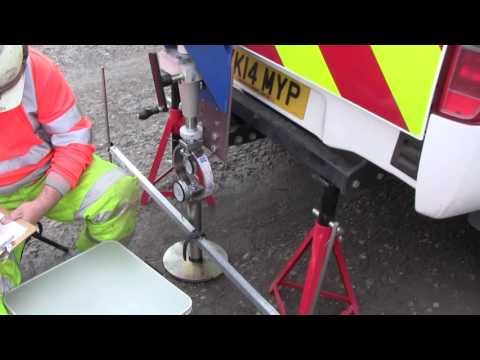
 Watch the film
CBR & plate bearing testing
London
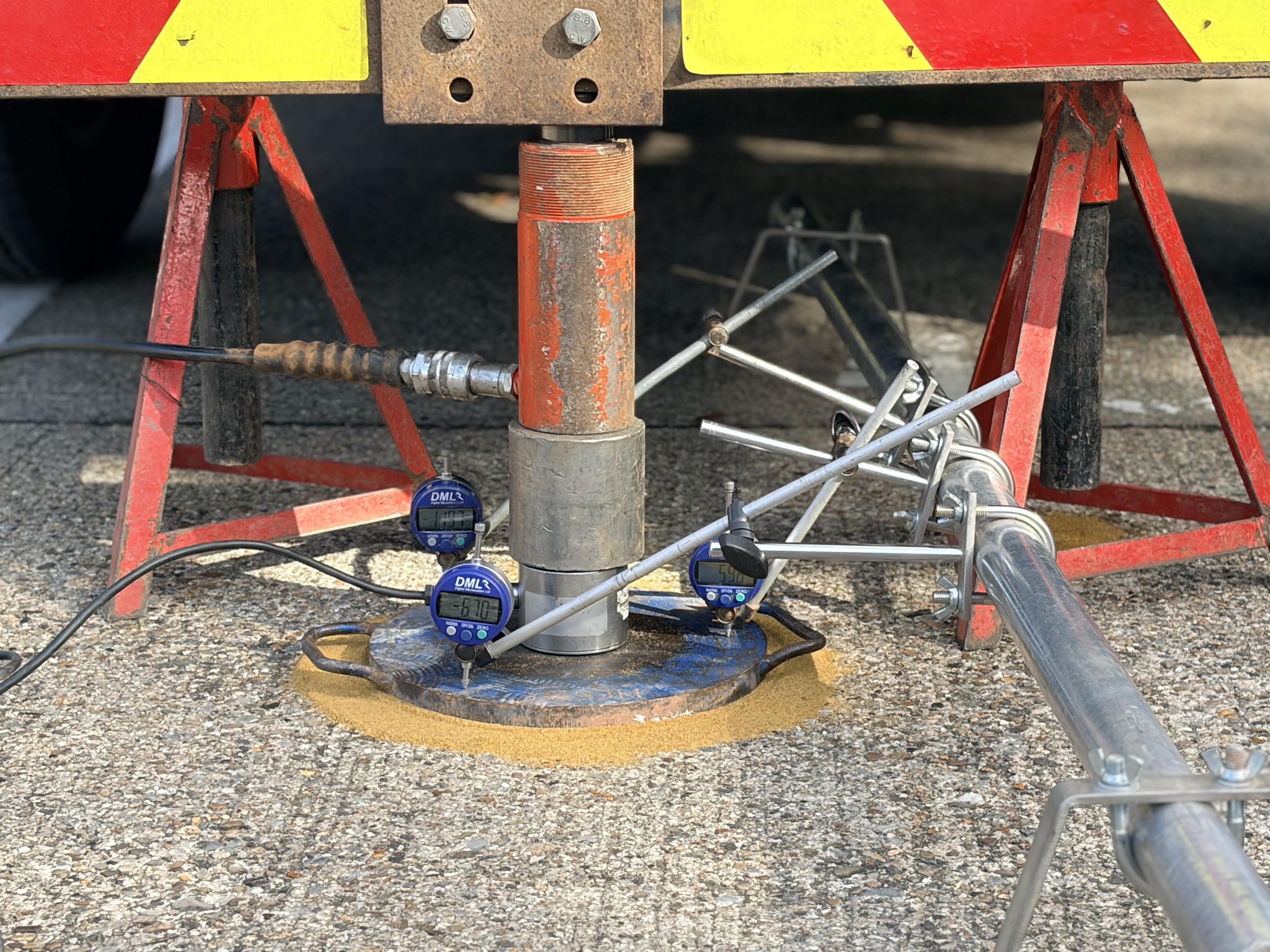
Plate bearing, CBR and LWD testing in London, plus concrete cube, soil and aggregate testing at our laboratory. Call 020 7993 5733 to check dates.
On your site. On your side.
Same-day and next-day testing dates are often available. Call to check dates for your location and test requirements.
Quality, safety & professional standards
Expertise you can check.
UKAS accreditation applies to the tests listed in our accredited schedule.
View our credentials ↗

Experienced people
Technical knowledge, with practical advice.
National coverage
Testing support wherever your project takes you.
A responsive service
Clear arrangements, from enquiry to reporting.
Your regional contact
Local project details.
National testing expertise.
Same-day and next-day testing dates are available. Call your regional number to check dates for your location and test requirements. Site visits are coordinated centrally by Hixtra.
Areas served
Barnet, Dover, Dartford, Uxbridge, Greenwich, Bromley, Mitcham, Wembley and Hammersmith
Send your site postcode so we can confirm travel, access and availability. Coverage does not imply a permanent office in each town.
Local projects
The work we are called out to do here.
Most of what we do in London is plate bearing: crane hardstandings and piling mats on constrained city sites, basement formations, the granular build-up over podium and transfer slabs, and brownfield regeneration platforms along the Thames corridor and the Lea valley. In the outer boroughs and across Kent the work shifts towards CBR, density and compaction testing for estate roads and highway schemes, and to testing around rail, utility and Thames crossing works. Callers are usually groundworks and piling contractors, mobile crane operators and their geotechnical consultants.
Teams travel from Milton Keynes for every visit. Same-day and next-day dates are often available, subject to the schedule. In London, access governs the day, not distance. The plate bearing reaction machine, usually a tracked excavator, needs a route to each position and room to stand over it, and positions should be grouped, because moving kit across the city eats the day. Tell us about ULEZ, the congestion charge, restricted delivery hours and any possession windows, and we plan around them.
Fresh concrete testing, meaning slump, flow and cube making, is only offered within about an hour’s drive of Milton Keynes. That excludes central and south London and all of Kent; the outer north-west boroughs are borderline, so ask. Hardened cube testing and coring are available across the whole region. For a quote, send the site postcode to 020 7993 5733.
Choose the right method
Ground testing that matches your specification.
Tell us the site conditions and what your specification requires. We can help you choose between direct CBR, plate bearing and other suitable ground-testing methods.
Plate bearing & derived CBR
Assess ground performance under a loaded plate for pavements, earthworks and working platforms. Where a derived CBR is required, the method and interpretation must be agreed against your project specification.
Plate bearing testing →In-situ CBR, LWD & DCP
Different methods answer different questions. Tell us the specified test, the material and the stage of construction. We can help arrange the appropriate testing package without treating these results as interchangeable.
Explore ground testing →Ground conditions
What the ground here tends to do.
London Clay underlies most of the London Basin: firm to stiff, over-consolidated, high plasticity, shrink-swell, and very moisture sensitive at formation level. A soaked CBR on it is commonly in the low single figures, and an in situ CBR after rain and plant traffic falls well below the dry reading. Specifications on the clay usually assume the wet case and have us test on a capping layer instead. The River Terrace Deposits along the Thames corridor and the Lea valley are sands and gravels with far better bearing and much higher CBR. Positions a few hundred metres apart can sit on clay and on gravel and behave completely differently.
Made ground is the usual reason plate bearing results scatter on city sites. Inner London and the Thames corridor hold demolition rubble, historic infill, former industrial and dock land, backfilled basements and services, so one plate sits on a brick footing and the next on soft trench backfill. The answer is more positions, where the outriggers or rig tracks will be, and a DCP or hand pit for any odd result. The Thames marshes at Dartford, Erith, Rainham and the Hoo peninsula are alluvium and peat, where a platform can pass a surface plate test while sitting on soft material the plate never stresses.
In Kent, chalk of the North Downs is stiff when intact but degrades to putty chalk when worked wet or over-trafficked, so test a chalk formation soon after exposure and cover it promptly. Thanet Sand and the Lambeth Group across north Kent are variable, and the Gault Clay at the scarp foot and Weald Clay to the south share the moisture sensitivity of the London Clay.
Regional coverage, one schedule
Local knowledge. National reach.
Every visit is planned and reported from the Hixtra laboratory in Milton Keynes, so you get the same people, the same methods and the same reporting wherever the site is.
Check availability for your site ↗Before your visit
A little preparation.
A smoother site visit.
Send the specification
Include required methods, test locations, material details and any acceptance criteria set by your engineer.
Confirm access and reaction load
For plate bearing testing, discuss the required reaction load, safe working area and site access before booking.
Agree dates and reporting
We will confirm availability, scope and expected reporting arrangements for the work you need.
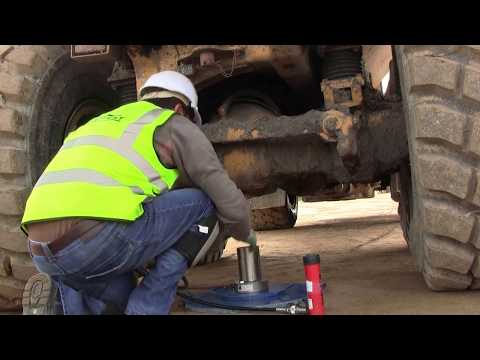
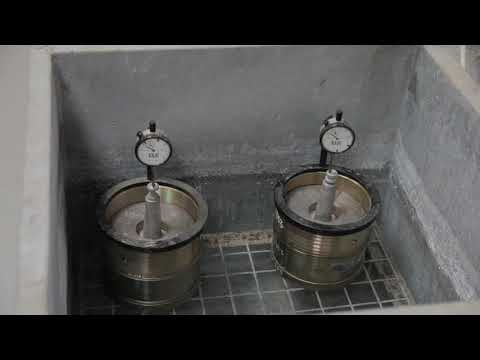
Hixtra in action
See the testing in practice.
Your questions
Your questions, answered.
Practical answers on ground conditions, choosing a test and arranging a visit in this region.
Ask us about your project →Which parts of London do you cover, and is there a local office?
All 32 boroughs and the City, and all of Kent beyond them. The towns on this page, Barnet, Uxbridge, Wembley and Hammersmith in the north and west, Greenwich, Bromley and Mitcham in the south, Dartford on the estuary and Dover on the coast, are the ones we are asked about most, but coverage is not limited to them. There is no Hixtra office in London or Kent. The 020 number rings through to the laboratory in Milton Keynes and every team travels from there. Coverage means we attend, not that we keep staff or kit in the borough. Samples for laboratory testing go back to Milton Keynes with the team or by courier.
Which tests can you carry out on a London site?
The bulk of our London work is plate bearing testing on crane hardstandings, piling mats and basement formations. In the outer boroughs we add in-situ CBR testing on estate road and highway formations, LWD testing on capping and sub-base, DCP profiling beside any result that looks out of line, and density and compaction testing. We take soil and aggregate samples and cut concrete cores on the same visit. At the laboratory in Milton Keynes we run soaked laboratory CBR, classification, compaction, chemical and aggregate tests, and concrete cube compressive strength testing on cubes from your pour. Fresh concrete testing at the pour is limited to about an hour’s drive of the laboratory, which rules out most of London. See the testing services page for the full list.
How quickly can you attend a site in London?
Same-day and next-day dates are often available, subject to the schedule. We do not guarantee an attendance time, and in London we are honest about why: the M1, the M25 and the roads inside the North Circular decide the arrival time, not the distance from Milton Keynes. Early starts help. So does grouping test positions, because moving a plate rig from one side of the city to the other eats most of a day. If you have positions on two sites, tell us and we will try to sequence them on one visit. Kent sites off the M2 and M20 are usually the simpler run.
What is the ground like in London and what does it do to a CBR result?
Most of London sits on London Clay: firm to stiff, over-consolidated, high plasticity and very sensitive to moisture at formation level. Soaked CBR values on it are commonly in the low single figures, and an in situ CBR taken after rain, or after plant has trafficked the formation, will drop sharply from what the same clay gave when dry. That is why specifications on clay subgrades usually assume the wet case and ask for a capping layer. Along the Thames and the Lea valley the River Terrace Deposits of sand and gravel behave far better, with much higher CBR. One scheme can cross both, so tell us which positions matter and we test each one rather than extrapolating.
Why do plate bearing results scatter so much on inner London sites?
Made ground. Inner London and the Thames corridor have been built, demolished and refilled for centuries. Demolition rubble, historic infill, former industrial and dock land, backfilled basements and old service trenches all sit within the depth a plate stresses. One position lands on a buried footing and reads well; the next lands on loose trench backfill and settles far more under the same load. Neither result is wrong, the ground is simply different a metre away. The practical answer is to test where the outriggers or rig tracks will actually be, add positions rather than average across the site, and use a DCP or a hand pit to explain any result that looks out of line before anyone signs a platform off.
What is different about testing on the chalk and the marshes in Kent?
Chalk of the North Downs is stiff when intact and gives good plate bearing and CBR results. Worked wet or over-trafficked it breaks down to putty chalk and those values collapse, so a chalk formation should be tested soon after it is exposed and covered promptly, not left open to weather and dumper traffic. Across north Kent the Thanet Sand and Lambeth Group vary from position to position, and the Gault Clay at the scarp foot and Weald Clay further south share the moisture sensitivity of the London Clay. On the Thames marshes at Dartford, Erith, Rainham and the Hoo peninsula the ground is alluvium and peat, and platform design there needs the ground investigation, not just a surface plate result.
Plate bearing, CBR, LWD or DCP: which should I ask for on London ground?
Follow the specification first. Crane hardstandings and piling platforms almost always call for a plate bearing test, because that is what the platform designer’s calculation is built on. Pavement and estate road subgrades on the clay usually want CBR, either in situ or a laboratory soaked CBR on a sample, and on London Clay the soaked value is the one that governs. LWD is quick and useful for checking uniformity across a granular capping layer, but it is not a plate test and most designers will not accept it as one. DCP is good on the clay for profiling strength with depth, but on made ground it hits brick and concrete and gives false refusals, so treat it as a diagnostic there rather than a design value.
Which standard is plate bearing testing usually carried out to?
Plate bearing tests are usually carried out to the plate loading method described in BS 1377-9, with the plate size, load increments and maximum applied pressure set by your specification. Tell us what the result has to demonstrate and we will confirm the method before booking.
Can you do fresh concrete testing, slump and cube making, in London or Kent?
Fresh concrete testing, meaning slump, flow and cube making at the pour, is only offered within about an hour’s drive of Milton Keynes. That rules out central and south London and all of Kent. The outer north-west boroughs such as Barnet, Wembley and Uxbridge are borderline on a good day and outside it on a bad one, so ask before you book rather than assume. If your pour is outside the radius you will need a technician nearer to hand for the slump and the cube making. Hardened concrete work is different: cubes made and cured on site can be sent to Milton Keynes for testing, and coring is available across all of London and Kent.
Do you test hardened concrete cubes and cores from London and Kent sites?
Yes, across all of London and Kent. Hardened concrete work is not limited by the fresh concrete radius. Cubes made on site by your own team or your supplier can be delivered to the laboratory in Milton Keynes for crushing at the ages your specification asks for, usually 7 and 28 days. Coring is a site visit: we cut cores from slabs, walls and hardstandings, typically where cube results are missing or disputed, where a slab has been cast without records, or where a designer wants the in place strength of a podium or transfer slab before loading it. Cores go back to Milton Keynes for preparation and testing. Ask which concrete methods are on the UKAS schedule if accreditation matters.
Do you test working platforms for piling rigs on constrained London sites?
Yes, and it is a large part of what we do in London. A piling platform on a city site is usually a thin granular layer over made ground or London Clay, hemmed in by hoarding, party walls and a single gate. We run plate bearing tests at the positions the rig will track and stand on, and report the values the platform designer needs to check against the rig’s bearing pressures, normally to the approach in BRE 470. You will normally need to provide a machine heavy enough to resist the full test load without lifting, usually a tracked excavator. We confirm the size of machine and the operator time to allow when the work is booked. Tell us the rig and its loads too.
Can you test a crane hardstanding on a tight city site?
Yes. Mobile crane outrigger positions on London sites are often on made ground, on a basement formation or on the build-up over a podium or transfer slab, with very little room to work. We plate test each outrigger position to the bearing pressure the lift plan calls for and report the settlement and the allowable pressure at each one. One thing to be clear on: a plate is much smaller than an outrigger mat, so it stresses a shallower depth of ground. On made ground over clay the plate can pass while the mat is loading something softer beneath. Where that is a risk we say so in the report, and a DCP at the position helps. Send the lift plan with the enquiry.
Is Hixtra’s testing UKAS accredited?
Hixtra holds UKAS accreditation to ISO/IEC 17025 under schedule number 8996. Accreditation is granted method by method, not to the company as a whole, and it applies only to the tests listed on the current schedule. Most of the soil and aggregate tests we run are on it. Some concrete tests are still going through the process. So the honest answer is that some of what we do is accredited and some is not, and it depends on the method. If your specification or your client’s engineer requires a UKAS accredited result, name the test when you enquire and we will confirm whether that method is on the schedule before you book, so there is no surprise when the report arrives.
What do you need from me before the visit, and how are results reported?
The site postcode and the gate location first; in London the postcode tells us about ULEZ, the congestion charge and the likely access. Then the specification: plate size, target bearing pressure or settlement limit, target CBR, and the crane or rig loads if the test is for a platform. After that, the number of positions and a marked plan, the surface we will be testing on, access for the reaction machine, working hours, and any induction or permit requirements. Site results are normally reported the same day as a PDF with the positions, load increments, settlement readings and derived values. Laboratory results follow when the test finishes, so a 28 day cube result arrives at 28 days.
Can you work nights, weekends and rail possessions, and what about ULEZ and restricted hours?
Yes, subject to the schedule. Rail, utility and Thames crossing works in London often only give access in a night or weekend possession, and many city sites have delivery and working hour restrictions set by the local authority or the principal contractor. Tell us the window when you enquire and we plan the visit to fit it, including the time to get the reaction machine in and out of the gate. ULEZ and the congestion charge are part of planning any London visit and the postcode tells us whether they apply. None of this changes the testing, only the timing, so the earlier we know the constraints the more likely a same-day or next-day date will work.