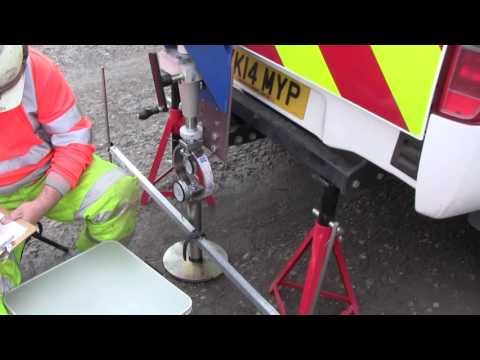
 Watch the film
CBR & plate bearing testing
Cambridge
Plate bearing, CBR and LWD testing in Cambridge, plus concrete cube, soil and aggregate testing at our laboratory. Call 01223 298718 to check dates.
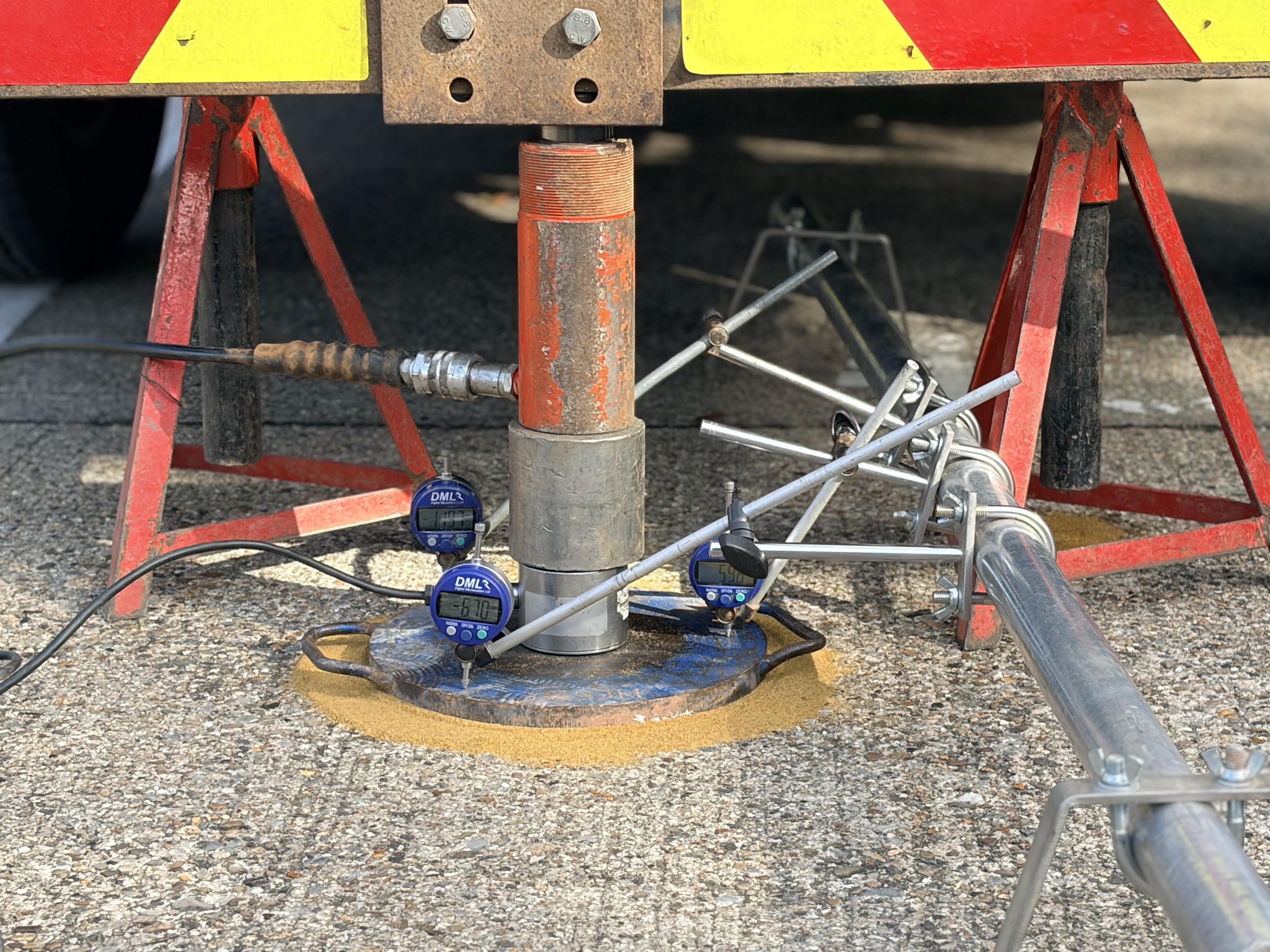
On your site. On your side.
Same-day and next-day testing dates are often available. Call to check dates for your location and test requirements.
Quality, safety & professional standards
Expertise you can check.
UKAS accreditation applies to the tests listed in our accredited schedule.
View our credentials ↗

Experienced people
Technical knowledge, with practical advice.
National coverage
Testing support wherever your project takes you.
A responsive service
Clear arrangements, from enquiry to reporting.
Your regional contact
Local project details.
National testing expertise.
Same-day and next-day testing dates are available. Call your regional number to check dates for your location and test requirements. Site visits are coordinated centrally by Hixtra.
Areas served
Ely, Huntingdon, St Neots, Newmarket, Peterborough, Norwich and Colchester
Send your site postcode so we can confirm travel, access and availability. Coverage does not imply a permanent office in each town.
Local projects
The work we are called out to do here.
Cambridge is the nearest of our locations after Milton Keynes itself, about an hour from the laboratory. A large share of the work is CBR testing for estate roads and highway pavements on the housing allocations around Cambridge, Peterborough and Ely. On the Fens around Wisbech and March, and on the alluvial ground north of Peterborough, we are called out to prove working platforms for piling rigs, where the platform has been designed to a stated bearing pressure and needs testing before the rig tracks on. Plate bearing tests on agricultural yards, grain stores and industrial hardstandings are common, as are crane pad tests for logistics sheds, food processing plants and energy projects. The data centre and life sciences building around Cambridge brings steady demand for platform and formation testing.
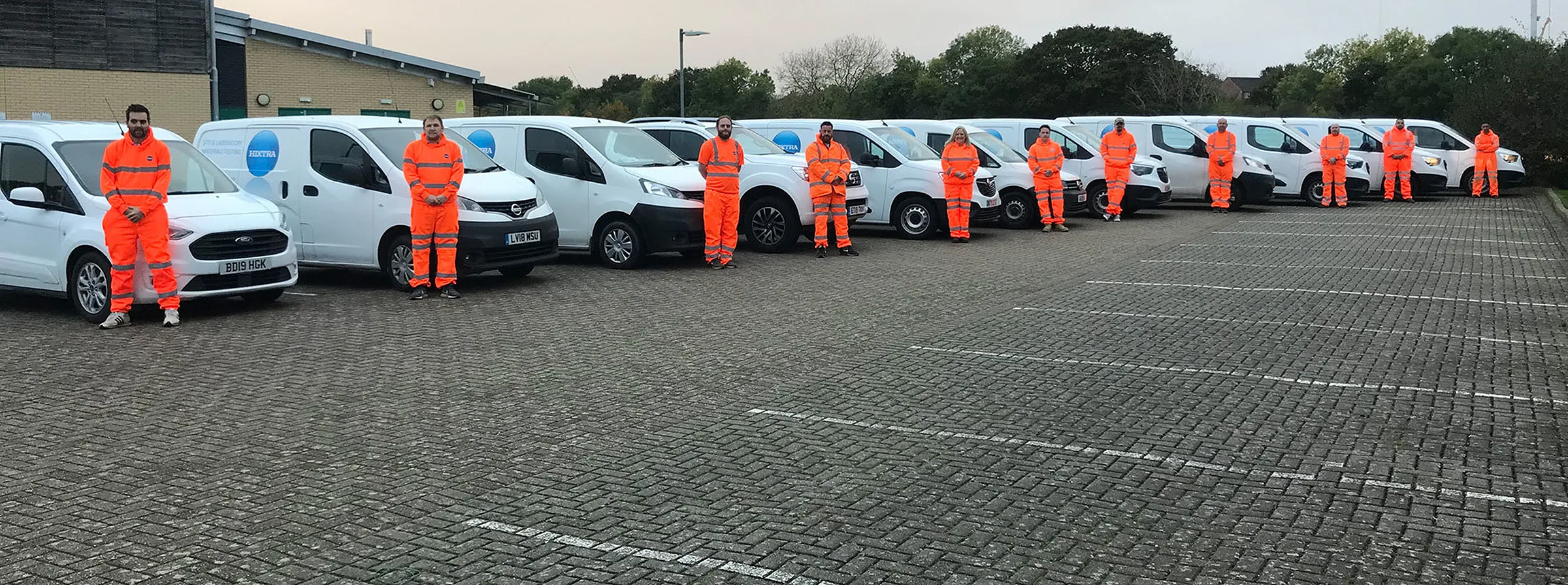
Every team travels from Milton Keynes. Cambridge, Huntingdon and St Neots are about an hour away, so same-day and next-day dates are often available, subject to the schedule. Norwich, Colchester and the north Norfolk coast are further and are usually planned a day or two ahead. Fresh concrete testing, meaning slump, flow and cube making, is only offered within about an hour’s drive of the laboratory. That reaches the south west of this region but not Norwich, Thetford or the coast. Hardened cube testing and coring are available anywhere in England and Wales. Call 01223 298718 with your site postcode for a quote.
Choose the right method
Ground testing that matches your specification.
Tell us the site conditions and what your specification requires. We can help you choose between direct CBR, plate bearing and other suitable ground-testing methods.
Plate bearing & derived CBR
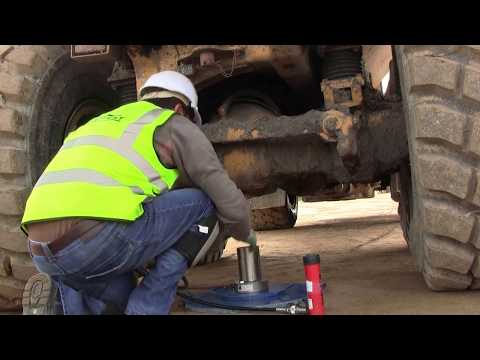
Assess ground performance under a loaded plate for pavements, earthworks and working platforms. Where a derived CBR is required, the method and interpretation must be agreed against your project specification.
Plate bearing testing →In-situ CBR, LWD & DCP
Different methods answer different questions. Tell us the specified test, the material and the stage of construction. We can help arrange the appropriate testing package without treating these results as interchangeable.
Explore ground testing →Ground conditions
What the ground here tends to do.
Most of Cambridge is built on Gault Clay: stiff when dry, weak when wet and quick to soften once a formation is opened up and trafficked. To the south and east, through Cherry Hinton, the Biomedical Campus and out towards Fulbourn and the Gogs, the chalk marl comes in over the Gault and gives firmer, more consistent ground. Along the Cam, through the centre, Chesterton and Trumpington, river terrace gravels cap the clay and the floodplain itself is soft alluvium, so two positions on one site can sit on gravel and on clay and return very different CBR values. The villages around the city were dug for coprolites in the nineteenth century and the shallow workings were backfilled, which is one reason an odd plate result turns up on what looks like a greenfield plot. West and north, at Cambourne, Northstowe and Waterbeach, the new settlements sit on boulder clay, Ampthill and Kimmeridge clays and the fen edge, all of them moisture sensitive.
Further out, on the Fens around Wisbech, March and north of Peterborough the formation is soft alluvium over peat with a high water table. Bearing capacity is very low, the ground is highly compressible, and a century of drainage has shrunk the peat and lowered the surface. CBR on the natural formation often sits at or near the bottom of the usable range, and a plate test on unimproved fen gives large settlement and a modulus no design can use. So the platform is designed to a stated thickness and bearing pressure, then proved by plate test on the finished platform rather than the subgrade.
Around Ely the clay is Kimmeridge; around Peterborough it is Oxford Clay, the region’s brick clay, with former pits and infilled ground. These clays are stiff when dry and weak when wet, so CBR moves with the season and with how long a formation stands open. Results scatter between adjacent positions, so allow enough tests to see the spread; on the Peterborough infill one result says little about the next bay. Specifications usually ask for in situ CBR at formation, checked against a soaked laboratory CBR for design.
Chalk across the East Anglian Heights, Newmarket, Thetford and west Norfolk is sound when intact but often lies under Clay-with-Flints or chalky till, which behave as clays. Breckland sands around Thetford and Brandon compact well but ravel at the surface, so density and LWD on the compacted layer beat a CBR on loose sand. Boulder clay across Norfolk, Suffolk and north Essex varies in stone and water content. South Essex around Harlow, Chelmsford and Colchester is London Clay, which shifts seasonally like the Gault.
Regional coverage, one schedule
Local knowledge. National reach.
Every visit is planned and reported from the Hixtra laboratory in Milton Keynes, so you get the same people, the same methods and the same reporting wherever the site is.
Check availability for your site ↗Before your visit
A little preparation.
A smoother site visit.
Send the specification
Include required methods, test locations, material details and any acceptance criteria set by your engineer.
Confirm access and reaction load
For plate bearing testing, discuss the required reaction load, safe working area and site access before booking.
Agree dates and reporting
We will confirm availability, scope and expected reporting arrangements for the work you need.
Hixtra in action
See the testing in practice.
Your questions
Your questions, answered.
Practical answers on ground conditions, choosing a test and arranging a visit in this region.
Ask us about your project →Do you cover Cambridge and the surrounding towns?
Yes. We attend sites across the city, from the Science Park, Chesterton and Orchard Park in the north to Trumpington, Addenbrooke’s and the Biomedical Campus in the south, and out to Cambourne, Northstowe, Waterbeach, Ely, Huntingdon, St Neots, Newmarket and Royston. Beyond that we cover the whole of Cambridgeshire, Norfolk, Suffolk and Essex, plus the Hertfordshire border around Harlow and Bishop’s Stortford, which takes in Peterborough, Wisbech, March, Thetford, Norwich, Bury St Edmunds, Ipswich, Colchester and Chelmsford. Every visit is run from our laboratory in Milton Keynes, so Cambridge is close and the Norfolk coast is a longer run. There is no cut-off line; if your site is in England or Wales we will attend. Send the site postcode and we will confirm the date and the price for that address.
Which tests can you carry out on a Cambridge site?
On site we carry out in-situ CBR testing, plate bearing testing, LWD testing, DCP testing and density and compaction testing, for estate roads, capping and sub-base, piling platforms and crane hardstandings. Because Cambridge is inside an hour of the laboratory, it is also one of the few cities where our technicians attend the pour for slump, flow and cube making. The laboratory then runs soaked laboratory CBR, classification, compaction, chemical and aggregate tests, and concrete cube compressive strength testing on cubes from your site, and we cut and test concrete cores. The full list is on the testing services page; tell us what the specification asks for and we will match the tests to it.
How quickly can you get to a site near Cambridge or Peterborough?
This is our nearest region after Milton Keynes, so lead times are shorter than for most of the country. Cambridge, Huntingdon, St Neots and Royston are about an hour from the laboratory, and Peterborough and Ely are not much further. Same-day and next-day dates are often available, subject to the schedule. Norwich, Colchester and the north Norfolk coast are around two hours each way, so we usually plan those a day or two ahead and try to group them with other work in the area. If a piling rig or crane is standing waiting, tell us when you ring and we will look at what can be moved.
What is the ground like in Cambridge and what should I expect from it?
In Cambridge itself you are mostly on Gault Clay, with chalk marl to the south and east and terrace gravels along the Cam, so results swing with moisture on the clay and jump where the gravel comes in. Further out it depends heavily on where you are. On the Fens around Wisbech, March and north of Peterborough you are on soft alluvium over peat with water close to the surface, and CBR values on the natural formation are often at or near the bottom of the usable range. Around Cambridge and Ely the Gault and Kimmeridge clays give results that swing with moisture content. Peterborough sits on Oxford Clay with old brick pits and infilled ground. Thetford, Newmarket and west Norfolk are chalk, often under Clay-with-Flints or chalky till, and the Brecks are sand. Norfolk, Suffolk and north Essex are mostly boulder clay, and south Essex is London Clay. Expect scatter on the clays and very low values on the fen.
Plate bearing, CBR, LWD or DCP: which is right for fen and clay ground?
On fen peat and alluvium a CBR on the natural ground is of limited use, because the answer is very low and the design will need a platform anyway. Plate bearing on the finished platform is the test that matters there. On the Gault, Kimmeridge, Oxford and London clays an in situ CBR at formation is the normal check for road and estate pavements, with several positions to capture the scatter. LWD suits compacted granular capping and sub-base where you want many quick readings across a large area. DCP is useful on the chalk and the tills to see how strength changes with depth without digging, and to find soft layers under a crust. Tell us what the specification asks for and we will match the test to it.
Which standard is plate bearing testing usually carried out to?
Plate bearing tests are usually carried out to the plate loading method described in BS 1377-9, with the plate size, load increments and maximum applied pressure set by your specification. Tell us what the result has to demonstrate and we will confirm the method before booking.
Can you do fresh concrete testing, slump and cube making, in Cambridge?
In Cambridge, yes, but not across the whole of the East of England. Slump, flow and cube making are done by our own technicians at the pour, and we only offer that within about an hour’s drive of Milton Keynes. In this region that covers the south west: Cambridge, Huntingdon, St Neots, Royston and the surrounding area. Peterborough and Harlow are on the margin, so send the postcode and we will confirm. Norwich, Thetford, Wisbech, Colchester and the north Norfolk coast are outside it, and we do not offer fresh concrete sampling there. Hardened concrete testing, meaning cube testing and coring, is available anywhere in England and Wales because the samples come to the laboratory rather than the other way round.
Do you test concrete cubes and take cores from Cambridge sites?
Yes, in Cambridge and across the whole region. If you or your readymix supplier have made cubes on site, they can be delivered to the laboratory in Milton Keynes or collected while we are attending for other work; tell us when you book. Cubes are cured and tested at the ages your specification requires, usually 7 and 28 days. Coring is available for slabs, hardstandings and structures anywhere in England and Wales, which matters for the grain stores, distribution yards and industrial floors that make up a lot of our East of England work. Cores are logged, prepared and tested at the laboratory. Ask us about the accreditation status of the specific concrete test you need, because not every concrete method is yet on our UKAS schedule.
Do you test piling platforms on fen ground?
Yes, and it is one of the most common reasons we are called to the Fens. On alluvium over peat the natural ground cannot carry a rig, so the platform is designed rather than assumed, with a stated thickness of granular fill, often on a geogrid, and a target bearing pressure from the rig manufacturer or the temporary works designer. We prove the finished platform by plate bearing test, loading to the design pressure and recording settlement, and issue the results for the working platform certificate. The high water table means a platform that passed in a dry spell may soften after rain, so re-testing after a wet period or after heavy trafficking is often sensible. Send us the design and the rig loading before the visit.
Can you test crane hardstandings for logistics and energy sites?
Yes. Crane pads for the region’s logistics sheds, food processing plants and energy projects are tested by plate bearing to the outrigger or track loading supplied by the crane operator or lift planner. We test at the outrigger positions where the loads will actually act, not at a convenient spot nearby. On fen and alluvial ground the pad is usually a designed granular platform and we test the finished surface. On the clays we also look at whether the test area has dried out or been softened by rain since it was built, because the result can change either way. Results are reported as bearing pressure and settlement against the target, so the lift plan can be signed off with the numbers on the page.
Is Hixtra UKAS accredited?
Hixtra holds UKAS accreditation to ISO/IEC 17025 under schedule number 8996. Accreditation is granted method by method, not to the company as a whole, so it applies only to the tests listed on our current schedule. Most of our soil and aggregate tests are accredited. Some concrete tests are still going through the accreditation process. If your specification or your client’s engineer requires accredited results for a particular test, tell us which test when you enquire and we will confirm whether that method is on the schedule and whether the report will carry the UKAS mark. We would rather you asked than assumed.
What do you need from me before the visit?
The site postcode, and a what3words or grid reference if the site is off a fen drove, because postcodes cover large areas out there. The tests required and the specification clause or design they relate to. For platforms and crane pads, the design bearing pressure and the rig or crane loading. The number of test positions and a marked-up plan if you have one. Any induction, RAMS or PPE requirements beyond the standard set. Access details: who to ask for, gate codes, and whether a tracked machine or 4x4 is needed to reach the test positions. If the ground has been under water recently, say so, because it may be worth waiting a few days.
How are results reported?
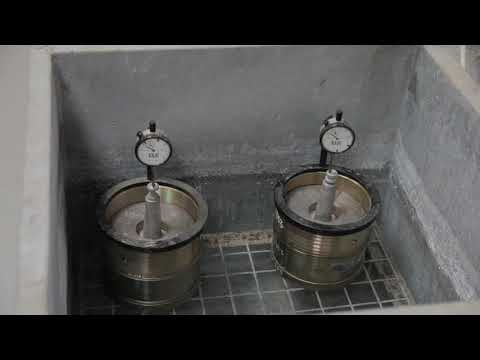
Field results are recorded on site and you will normally have a summary the same day, with the formal report following shortly after; that is our usual practice rather than a promise, and it depends on the day’s schedule. Reports show the test method, positions, the raw readings and the derived values, such as CBR percentage or plate bearing modulus and settlement against the target pressure. Laboratory tests are reported when the test is complete, so a 28-day cube result follows at 28 days. Where a test is on our UKAS schedule the report says so. Reports are issued as PDF by email to whoever you name on the booking.
Do you have an office in Cambridge, Norwich or Peterborough?
No. Hixtra has one laboratory, in Milton Keynes, and every site visit in the East of England is run from there. We do not keep a local depot, local vehicles or locally based staff in Cambridge, Norwich or anywhere else in the region. The Cambridge phone number on this page rings through to the same team as our other numbers. Because Milton Keynes is close to the western half of the region, the lack of a local office makes little practical difference for Cambridge or Peterborough. For Norwich and the coast it means a longer run and a little more planning on the date.
How do you handle travel and scheduling for fen and coastal sites?
Every visit is quoted from the site postcode, so travel is taken into account in the quote. Access on the Fens is the thing to think about: many sites are reached along long single-track droves with soft verges and few passing places, and ground water rises in winter, so a test position that was reachable in September may not be in January. Tell us how the site is accessed and whether the ground has been standing wet. We try to group Norfolk and Suffolk visits together to keep travel down. Same-day and next-day dates are often available for the western half of the region, subject to the schedule; the coast is usually a day or two ahead.