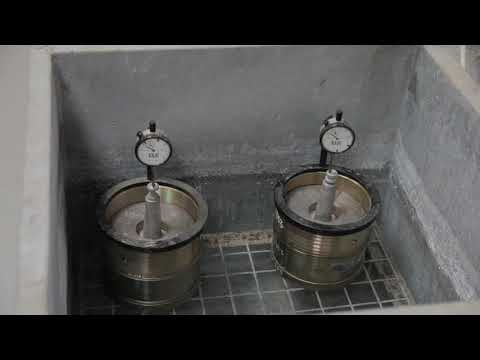
In-situ CBR
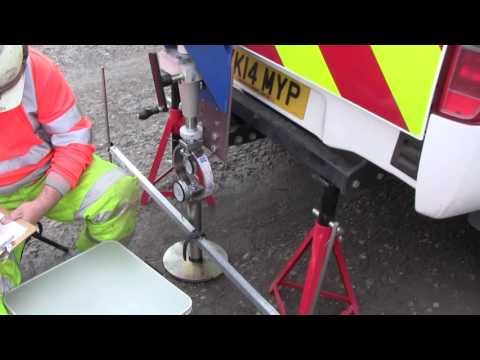
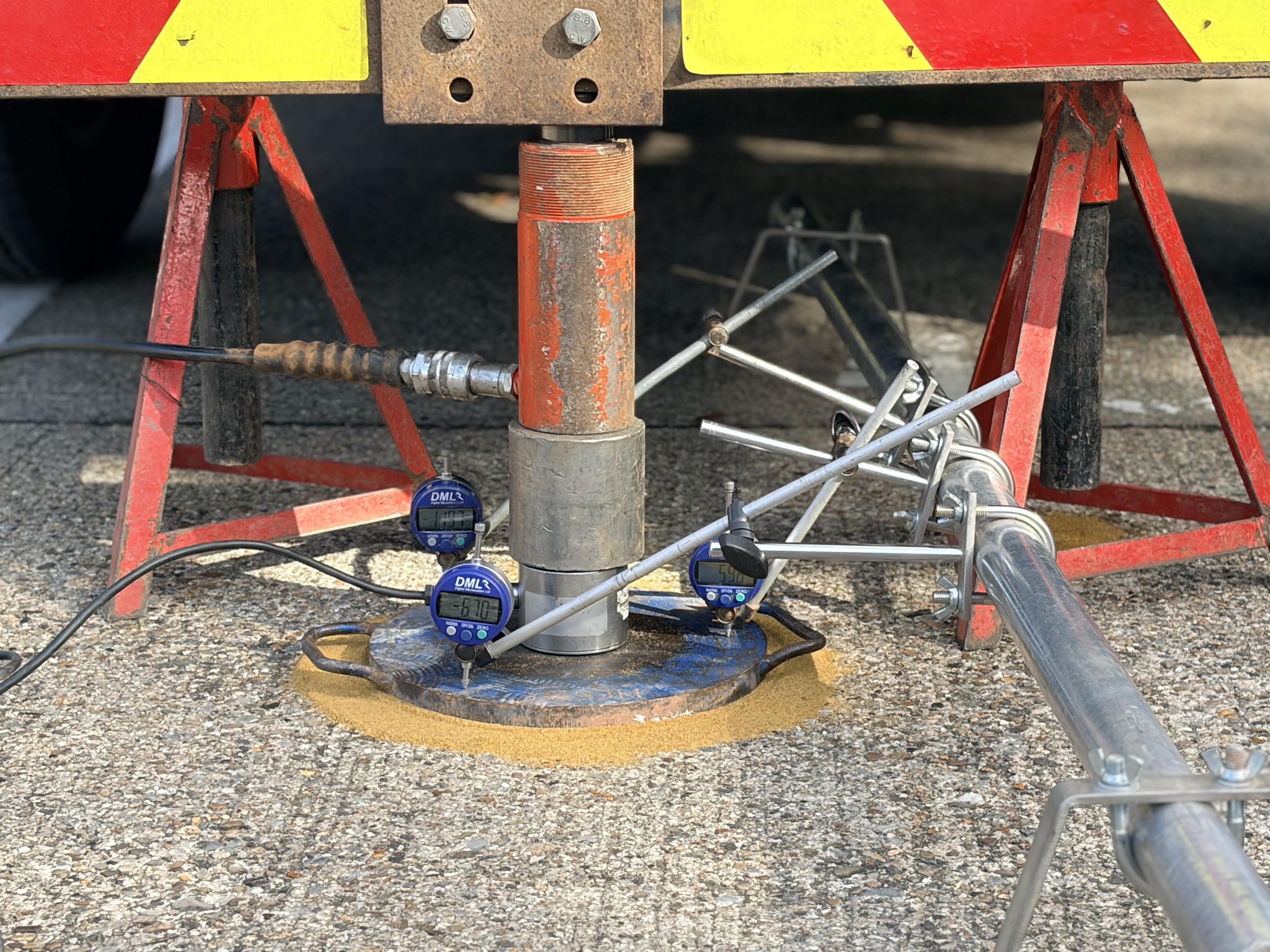
The plunger test, carried out at formation level from our vehicle. It is the usual check on trimmed Gault Clay and boulder clay formations around Cambridge, and it suits fine soils, not coarse stone. Explore in-situ CBR testing →
Hixtra · CBR testing in Cambridge
In-situ and laboratory CBR testing for Cambridge sites, carried out by our own technicians from the Hixtra laboratory about an hour away. We match the method to your specification and to the Gault Clay, chalk marl and river gravels the city is built on.
Talk to Hixtra →01223 298718Same-day and next-day dates are often available for Cambridge, with site results normally reported the same day. Call to check availability.
Quality, safety & professional standards
UKAS accreditation applies to the tests listed in our accredited schedule. Ask us for the current scope before you book.
Understand our accreditation →


About an hour away
Cambridge is one of the closest cities to our Milton Keynes laboratory, so dates are easier to find.
Method matched to spec
In-situ, soaked laboratory and derived CBR answer different questions. We help you book the right one.
Results the same day
Site CBR results are normally sent the same day as a PDF, ready for your engineer.
CBR testing in Cambridge
Most CBR testing in Cambridge is for estate roads, car parks and yards on the housing and science park sites around the edge of the city, where the highway authority or the pavement designer wants proof of the subgrade before the capping goes down. Which method you need depends on the specification, the material and what the number will be used for.
The plunger test, carried out at formation level from our vehicle. It is the usual check on trimmed Gault Clay and boulder clay formations around Cambridge, and it suits fine soils, not coarse stone. Explore in-situ CBR testing →
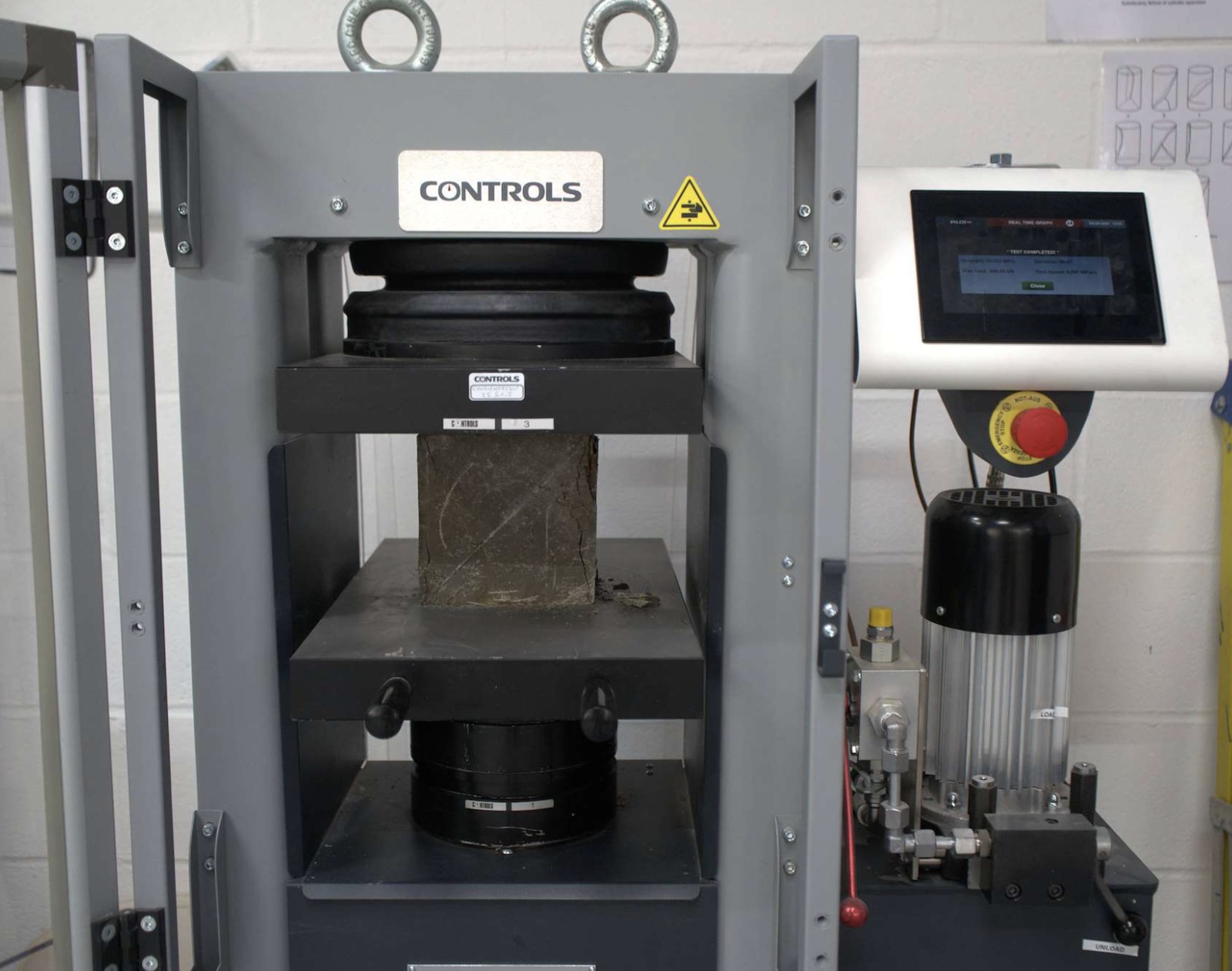
A sample from your site is remoulded and tested at the laboratory, soaked where the design needs the wet case. On Cambridge clays the soaked value is usually the one the designer works to. Explore laboratory CBR testing →
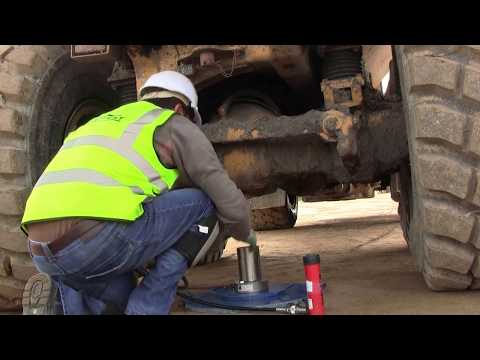
On capping, Type 1 and other coarse layers the plunger cannot be used, so a plate bearing test loads a larger area. A derived CBR can be reported where your specification allows it, labelled as derived. Explore plate bearing testing →
LWD testing and DCP testing earn their place in Cambridge because the ground changes so quickly. Most of the city sits on Gault Clay, which is stiff when dry and soft once it is wet and trafficked, so a formation left open over a wet weekend will not give Monday the value it gave on Friday. To the south and east, around Cherry Hinton and the Biomedical Campus, chalk marl gives firmer, steadier results. Along the Cam the terrace gravels test well and the floodplain alluvium beside them tests very poorly, sometimes on the same site. At Cambourne, Northstowe and Waterbeach the boulder clay, Ampthill Clay and fen edge ground are all moisture sensitive. Test soon after trimming, spread the positions, and tell us if the formation has been standing wet.
Questions people ask
Practical answers for planning and booking CBR testing in Cambridge.
Ask us about your project →Same-day and next-day dates are often available, subject to the schedule. Cambridge is about an hour from our laboratory in Milton Keynes, which makes it one of the easiest cities for us to reach at short notice, and Huntingdon, St Neots, Ely and Royston are a similar run. We do not guarantee an attendance time, but if a formation is trimmed and the capping is due tomorrow, ring 01223 298718 and we will tell you what we can do.
For estate roads and car parks it is normally an in-situ CBR at formation level, often backed by a soaked laboratory CBR for the design value, because the local clays lose so much strength when wet. Send us the specification or tell us what the result is for. In-situ, laboratory and derived CBR are not interchangeable, and the right choice depends on the material, the access and how the number will be used.
Low ones, and lower still when it is wet. Gault Clay is a high plasticity clay, and soaked laboratory values in the low single figures are common. An in-situ test on a freshly trimmed, dry formation will often read higher than that, which is why designers here usually work to the soaked figure. A low result is not a failure. It tells your designer how much capping and sub-base the pavement needs.
Because the ground does. River terrace gravels cap the clay along the Cam through the centre, Chesterton and Trumpington, and chalk marl comes in over the Gault to the south and east, so two positions fifty metres apart can be on different materials. Old coprolite diggings around the villages were backfilled and can turn up as a soft spot on an apparently greenfield plot. Spread the positions so the weak ground shows up, and do not average it away.
Yes, significantly. CBR is strongly influenced by moisture content, and Gault Clay, boulder clay and the Ampthill and Kimmeridge clays north of the city all soften quickly once rain and site traffic get at an open formation. A result describes the ground on the day it was tested. Test soon after trimming, protect the formation afterwards, and use a soaked laboratory CBR where the design has to allow for the wettest likely condition.
Usually not with the plunger. The in-situ method is intended for material with a maximum particle size of around 20 mm, so crushed rock, recycled aggregate or stone at the surface will deflect the plunger and give a misleading value. On capping and sub-base a plate bearing test loads a much larger area and is normally the right test, and an LWD is a quick way to check the layer is uniform across a big area.
Yes. We take a bulk disturbed sample at formation level while we are on site, or you can bring or courier one to the laboratory, which is about an hour from Cambridge. The specimen is remoulded into a 152 mm mould at the compaction and moisture condition your specification calls for, soaked where required and tested with surcharge discs to represent the construction above. Testing is commonly carried out to BS 1377-2. Confirm the sample quantity with us before you dig.
The number is set by your specification or by the adopting highway authority, and where they are silent, by the length of road and how variable the ground is. Positions are normally spread along the formation so weaker areas are found, and each test is carried out at the level the design relates to. In-situ testing is commonly carried out in accordance with BS 1377-9. Send us the drawing and we will suggest a sensible number for the quote.
The test level exposed and trimmed flat, safe vehicle access to each position and a clear working area around it. The equipment is vehicle mounted and reacts against the weight of the vehicle, so confined positions, steep gradients or very soft ground can rule a location out. On city sites, tell us about gate widths, delivery hour restrictions and any induction. The plunger hole is backfilled before we leave.
No. Working platforms and crane hardstandings are designed to a bearing pressure, and the check is a plate bearing test on the finished platform, loaded to the design pressure with settlement recorded. CBR is a pavement design parameter. On the soft alluvium beside the Cam and on the fen edge towards Waterbeach, a platform is nearly always needed, and we test the platform, not the ground beneath it.
Hixtra holds UKAS accreditation to ISO/IEC 17025 under schedule number 8996. Accreditation is granted method by method, not to the company as a whole, so it applies only to the tests listed on our current schedule. Most of our soil tests are on it. If your specification or the adopting authority requires an accredited result, tell us which CBR method you need when you enquire and we will confirm whether it is on the schedule before you book.
Every visit is quoted from the site postcode. The price depends mainly on the number of test positions and how long the visit takes, and because Cambridge is close to the laboratory, travel is a smaller part of the cost than for most cities. Digging down to test level, restricted access, standby time and out-of-hours working all add to it. Send the postcode, the number of positions and your dates and we will quote.
No. Hixtra has one laboratory, in Milton Keynes, and every Cambridge visit is run from there. The 01223 number rings through to the same team as our other numbers. We do not keep staff, vehicles or a depot in the city. Because Cambridge is only about an hour away, that makes little practical difference to dates or cost, and samples for laboratory CBR go straight back to the laboratory with the technician.
Keep reading
Hixtra in action
In our customers’ words
Independent feedback from the people we work with.
“Punctual, friendly and professional.”Read the full review →
“Perfect service and explained everything step by step.”Read the full review →
“Excellent service! Incredibly professional. Thankyou”Read the full review →