Understand your material
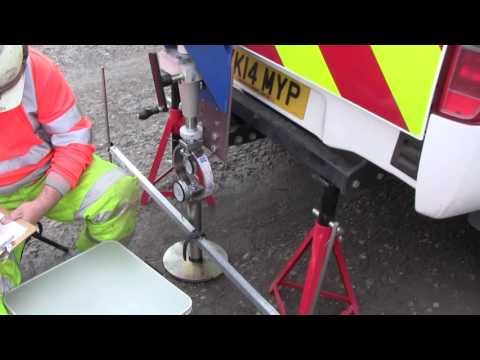
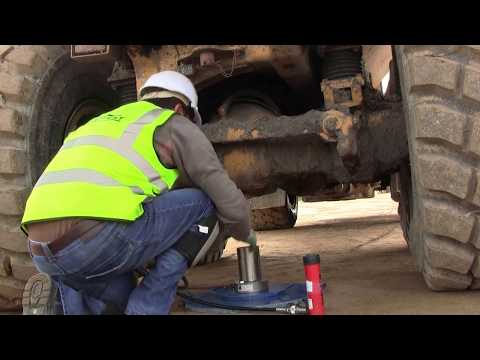
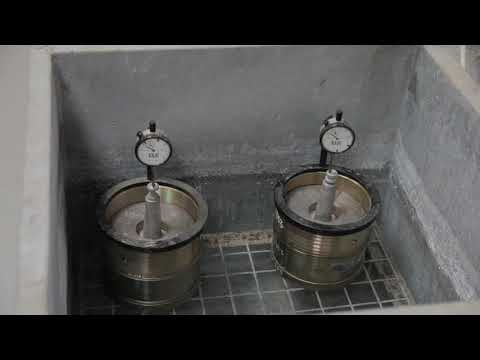
Check soil and aggregate density using electromagnetic measurement equipment.
Earthworks, compaction & stabilisation
Check soil and aggregate density using electromagnetic measurement equipment.
Same-day & next-day testing dates available. Call to check availability for your location and test requirements.
Practical testing. Experienced people. A service built around your project.
Quality, safety & professional standards
UKAS accreditation applies to the tests listed in our accredited schedule.
View our credentials ↗



Experienced people
Technical knowledge, with practical advice.
National coverage
Testing support wherever your project takes you.
A responsive service
Clear arrangements, from enquiry to reporting.
The right testing for your project
Practical advice, experienced testing staff and clear reporting. Check soil and aggregate density using electromagnetic measurement equipment.
Speak to the team ↗Where this service helps
The right test helps answer a specific project question. We’ll agree the method and requirements with you before the work begins.
Check soil and aggregate density using electromagnetic measurement equipment.
Agree the test method, sample condition and acceptance criteria before the work begins.
Use clear test records to support your project’s material and engineering assessment.
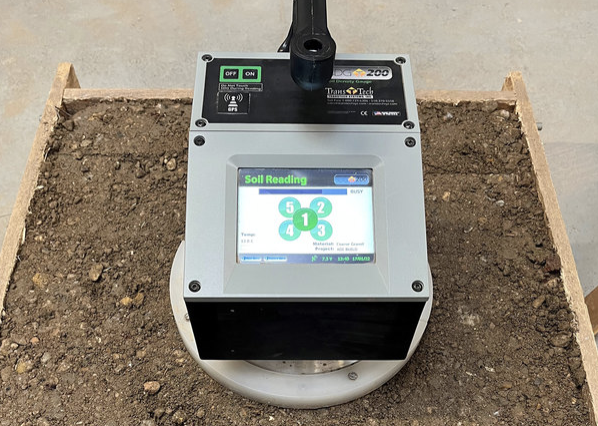
The gauge measures the material response to an electrical field to assess density and moisture. Discuss material suitability, calibration and the project reference values before specifying the method. Results support compaction control within an agreed testing regime.

A closer look
The gauge measures the material response to an electrical field to assess density and moisture. Discuss material suitability, calibration and the project reference values before specifying the method. Results support compaction control within an agreed testing regime.
UKAS accreditation applies to the particular methods listed in Hixtra’s current schedule, rather than every service. Ask us to confirm the accreditation status of the testing you require.
Hixtra in action
Working with Hixtra
From your first enquiry to your report, you’ll have practical advice on what to book, how to prepare and what happens next.
Share the site location, materials and testing specification. If you are unsure which test you need, we can help.
We agree the scope, access or sample requirements, availability and reporting arrangements before work starts.
Your results are reported for the agreed testing. Our team is on hand if you need to discuss the report.
Testing support across England & Wales
From individual site visits to ongoing testing programmes, we support construction, civil engineering and geotechnical projects across England and Wales.
Check availability for your site ↗Your questions
Practical answers on what this test is for, how to prepare and what you get back.
Ask us about your project →It measures how the material responds to an electrical field and converts that response into density and moisture figures for the layer beneath the instrument. The gauge sits on the prepared surface and takes a reading in seconds, with no coring, no excavation and no radioactive source. Results are normally reported as wet density, dry density, moisture content and percentage compaction against the reference value agreed for that material.
Mainly because it removes the regulatory and logistical burden that comes with a sealed radioactive source. A non-nuclear gauge is ordinary equipment, so there is no radiation safety case to agree with the principal contractor, no exclusion zone around the operator and nothing to declare at the gatehouse. That matters on rail, airport, defence, food, hospital and occupied sites, where a nuclear gauge is often refused or takes weeks to clear.
A nuclear gauge contains sealed radioactive sources, so keeping, using, transporting and storing it is regulated throughout. In practice that means registration with the environment regulator, duties under the Ionising Radiations Regulations 2017, an appointed radiation protection supervisor with adviser support, dose monitoring for operators, secure shielded storage, periodic leak testing and carriage under dangerous goods rules. None of that applies to an electromagnetic gauge, which is why it can be mobilised quickly.
The gauge has to be told what it is reading, so a soil model is built for each material before the results mean anything. That normally starts with a laboratory compaction test to establish the maximum dry density and optimum moisture content, then correlation readings taken alongside a reference density test on the same material in the same condition. Change the borrow pit or the material type and the correlation is established again.
Usually yes, for the correlation itself and often as an ongoing check. The reference methods in BS 1377-9, such as sand replacement and the core cutter, remain the point of comparison, and many earthworks specifications ask for a proportion of readings to be verified that way. Send us the specification and we will set out how many reference tests the regime needs and where they sit in the sequence.
It works best on consistent, well-characterised fills that have been correlated properly, and least well on coarse, open-graded or highly variable material. Large stone, made ground containing brick, concrete or timber, very wet or organic soils and rapid changes in material all reduce confidence in the reading. Buried metal, reinforcement and services close to the test position can also affect the response, so position selection matters.
A reading relates to a shallow zone of material immediately beneath the instrument, not the full depth of a thick fill. That suits testing one compacted layer at a time, which is how earthworks compaction control is normally specified in any case. The layer thickness you are placing therefore matters, and a thick lift placed in one go needs a different approach to compaction control.
The number comes from the compliance testing frequency in your earthworks specification, which is usually set by area, by layer or by volume of material placed. Because a gauge reading takes seconds rather than the best part of an hour, the practical limit is normally access and the number of layers rather than the testing itself. Expect to add positions where the material changes or a layer has been reworked.
Density and compaction figures are available at the test position, which is the main operational reason for using the method. Where the specification requires a laboratory moisture content to confirm the gauge reading, that involves oven drying and takes longer. We confirm the reporting arrangements and the expected timing for the formal report before the work is booked.
The surface needs to be flat, firm and free of loose material so the instrument seats properly on the compacted layer. Standing water, frozen ground, a loose dressing of fines or a rutted surface will all distort the reading. Keep test positions clear of kerbs, the edges of fill and exposed services, and expect a different answer where the area has been trafficked heavily since it was rolled.
Check that before you specify it, because accreditation is granted method by method. Hixtra holds UKAS accreditation to ISO/IEC 17025 for the tests listed in its schedule of accreditation, number 8996. Accreditation is specific to the listed methods and scope. Ask us to confirm whether the test you need is covered, and we will set out what applies to the gauge readings and to any reference tests.
The main drivers are the number of test positions, how many separate materials need correlating, the number of visits and how much engineer time is spent waiting for layers to be ready. Travel to site, any reference density tests and the laboratory compaction work behind the soil model also count. Send the site postcode, specification, approximate number of tests and preferred dates and we will price the work properly.
In our customers’ words
Independent feedback from the people we work with.
“Punctual, friendly and professional.”Read the full review ↗
“Perfect service and explained everything step by step.”Read the full review ↗
“Excellent service! Incredibly professional. Thankyou”Read the full review ↗
Customers come back to Hixtra
Read independent feedback from customers who have used our testing services.
4.8 / 5 on Trustpilot
“Punctual, friendly and professional.”
Lee Chippington · September 2026
Read this customer’s review ↗Same-day and next-day testing dates available. Tell us what you need and where, or call to check availability.