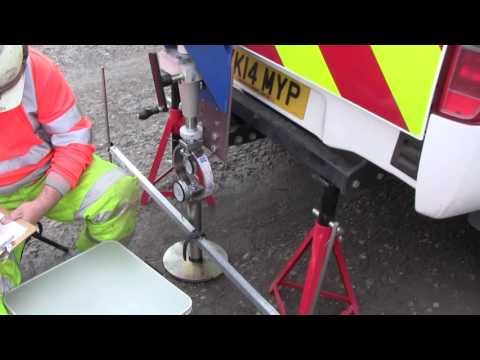
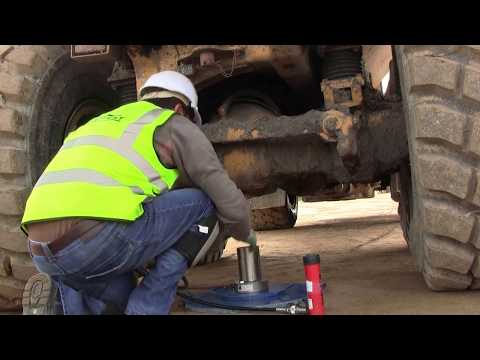
Understand your material
Assess the properties of chalk proposed for use as engineered fill.
Soils & geotechnical laboratory testing
Assess the properties of chalk proposed for use as engineered fill.
Same-day & next-day testing dates available. Call to check availability for your location and test requirements.
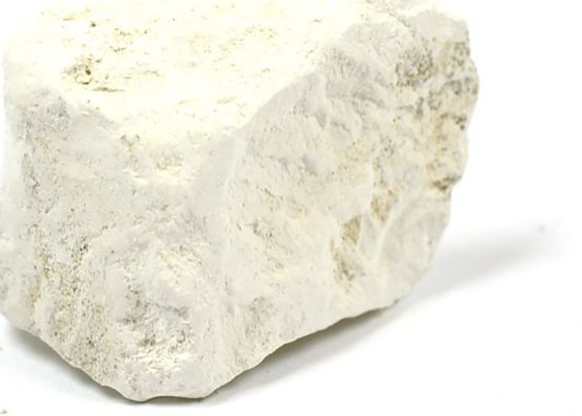
Practical testing. Experienced people. A service built around your project.
Quality, safety & professional standards
UKAS accreditation applies to the tests listed in our accredited schedule.
View our credentials ↗



Experienced people
Technical knowledge, with practical advice.
National coverage
Testing support wherever your project takes you.
A responsive service
Clear arrangements, from enquiry to reporting.
The right testing for your project
Practical advice, experienced testing staff and clear reporting. Assess the properties of chalk proposed for use as engineered fill.
Speak to the team ↗Where this service helps
The right test helps answer a specific project question. We’ll agree the method and requirements with you before the work begins.
Assess the properties of chalk proposed for use as engineered fill.
Agree the test method, sample condition and acceptance criteria before the work begins.
Use clear test records to support your project’s material and engineering assessment.
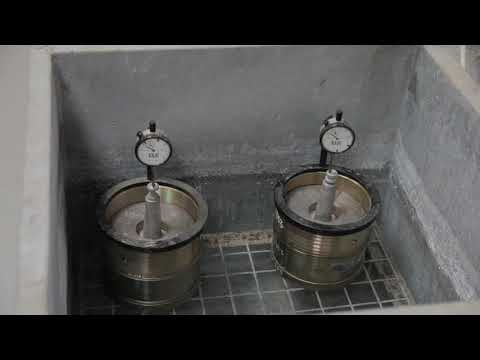
Chalk behaviour can vary significantly with density and moisture. Tests such as intact dry density and saturation moisture content help characterise the material. The testing programme should reflect the chalk classification and fill requirements in the specification.

A closer look
Chalk behaviour can vary significantly with density and moisture. Tests such as intact dry density and saturation moisture content help characterise the material. The testing programme should reflect the chalk classification and fill requirements in the specification.
UKAS accreditation applies to the particular methods listed in Hixtra’s current schedule, rather than every service. Ask us to confirm the accreditation status of the testing you require.
Hixtra in action
Working with Hixtra
From your first enquiry to your report, you’ll have practical advice on what to book, how to prepare and what happens next.
Share the site location, materials and testing specification. If you are unsure which test you need, we can help.
We agree the scope, access or sample requirements, availability and reporting arrangements before work starts.
Your results are reported for the agreed testing. Our team is on hand if you need to discuss the report.
Testing support across England & Wales
From individual site visits to ongoing testing programmes, we support construction, civil engineering and geotechnical projects across England and Wales.
Check availability for your site ↗Your questions
Practical answers on what this test is for, how to prepare and what you get back.
Ask us about your project →Chalk is a weak porous rock that breaks down when it is worked, so grading and plasticity describe it poorly and the properties that actually control its behaviour are density and moisture. A dense intact chalk performs much like a rock fill, while a low density or weathered chalk holds a great deal of water inside its pores and can turn to slurry under plant. That is why intact dry density and saturation moisture content lead the programme.
Intact dry density is the dry density of an individual intact lump of chalk, measured before the material is broken down, and it is the best single indicator of how the chalk will behave as fill. A high intact dry density means low porosity, less water held in the pores and a material that stands up to handling and compaction. Series 600 of the Specification for Highway Works names it as an acceptability property for chalk general fill.
Saturation moisture content is the moisture content chalk would have if every pore in an intact lump were filled with water, and it follows directly from the intact dry density: the more porous the chalk, the higher the figure. A high value means the chalk can carry a lot of water, remoulds easily and is more likely to become unstable when worked. Like intact dry density it is measured on an intact lump, not on bagged bulk material.
The chalk crushing value measures how readily chalk breaks down when it is worked, which is what decides whether it survives placing and compaction or degrades into putty chalk. It is run on the 10 mm to 20 mm fraction using the moisture condition apparatus and is normally specified to BS 1377. Read alongside intact dry density and saturation moisture content it gives a reasonable picture of how the material will behave under plant.
On highway and most civils earthworks it is Series 600 of the Specification for Highway Works, where chalk is handled as Class 3 material. The acceptability properties listed for Class 3 general fill are moisture content and intact dry density, with the limits set in the contract's own appendix rather than in the specification itself. Class 3 also brings handling and compaction rules, so read those alongside the test requirements.
Intact lumps, not bagged and broken bulk material. Intact dry density and saturation moisture content both need a lump that can be measured whole, typically around a kilogram with a volume of a few hundred millilitres. Take it by hand from a fresh face or excavation rather than off a stockpile, wrap it so it neither dries out nor crumbles in transit, and send separate bulk material if crushing value or moisture content work is also wanted.
It remoulds into a saturated putty that loses strength, will not carry plant and can leave the fill temporarily unstable. Chalk holds water inside the particles as well as between them, so once the lumps are crushed that water is released and the material behaves quite differently from the way it did in the cutting. Series 600 expects filling to stop until the chalk recovers sufficient strength, with the areas of instability recorded.
It can where the specification permits it, but chalk used as a constituent of granular fill classes is normally subject to a saturation moisture content limit of 20 per cent, which rules out the more porous low density chalks. The higher the duty of the layer, the tighter the material requirements get. Test the chalk against the class you actually intend to use it in, because material acceptable as general fill may not pass as capping.
Yes. Series 600 lets the contract define periods when earthworks in chalk and trafficking of chalk areas are not permitted, because wet ground and wet material are exactly the conditions that cause degradation. Chalk also cannot be stockpiled or double handled, so material has to move straight from the cutting to the fill. That ties earthworks and testing tightly together, and acceptability testing needs doing early enough to be useful.
They decide whether the chalk can be used as fill at all, and then how it has to be handled once it is. Intact dry density and saturation moisture content support the acceptability judgement against the specification, while moisture content is the day to day control test during placing. Results are reported with the sample reference, where it came from, the method used, the accreditation status and any deviation from the specified method.
Hixtra holds UKAS accreditation to ISO/IEC 17025 for the tests listed in its schedule of accreditation, number 8996. Accreditation is specific to the listed methods and scope, and a chalk programme often mixes routine classification methods with more specialist ones, so the position can differ test by test within the same schedule. Send us the list of tests your specification calls for and we'll confirm the status of each before you book.
The number of samples, how far the site is and whether we collect the material or you send it in. Intact lump work needs careful handling and preparation, so a programme combining intact dry density, saturation moisture content and crushing value costs more per sample than moisture content alone. Send the site postcode, the earthworks specification or relevant appendix and the dates results are needed by, and we'll price it against your programme.
In our customers’ words
Independent feedback from the people we work with.
“Punctual, friendly and professional.”Read the full review ↗
“Perfect service and explained everything step by step.”Read the full review ↗
“Excellent service! Incredibly professional. Thankyou”Read the full review ↗
Customers come back to Hixtra
Read independent feedback from customers who have used our testing services.
4.8 / 5 on Trustpilot
“Punctual, friendly and professional.”
Lee Chippington · September 2026
Read this customer’s review ↗Same-day and next-day testing dates available. Tell us what you need and where, or call to check availability.